Key Specifications for Plastic Iced Coffee Cups

Contact Sales

Talk To Our Expert

Talk To Our Expert

Name
Email
Mobile
Message
0/1000

plastic iced coffee cups

Plastic  iced  coffee cups have  become an  essential  product for businesses in the  food service and retail sectors. As more consumers seek refreshing iced  beverages, the demand for durable, high-quality  plastic cups has increased. B2B  buyers, such as purchasing managers and product managers, often have specific concerns about  materials, durability, and cost-effectiveness when sourcing these  cups. This article will explore  the key specifications, sourcing options,  common  issues, effective  use, and best applications for plastic iced coffee cups,  helping businesses make  informed purchasing  decisions.
 

Our Products

Key Specifications for Durable Plastic Iced Coffee Cups in Bulk

When selecting plastic iced  coffee cups, it's crucial to  consider several key  specifications to ensure they meet your operational needs.

Material: Most plastic iced coffee cups are made from polypropylene or polystyrene. Polypropylene is known for its durability and resistance to cracking, while  polystyrene offers  clarity and a lightweight option. Choose the material based on your application—polypropylene is ideal for hot beverages, while polystyrene is suitable for cold drinks.

Size  and Capacity: These cups typically range from 12 oz to  32  oz. Selecting the right  capacity depends on your beverage  offerings; larger sizes are often preferred  for iced coffee drinks, as they allow for ample ice and liquid.

Thickness: The cup's thickness affects its structural integrity. A thicker cup can  withstand higher temperatures and rough handling, making it a better choice for high-volume services.

Design Features: Look for cups with a rolled lip for added strength and a better drinking experience. Additionally, consider options  with double-walled designs  for insulation, which helps keep beverages cold longer. You might also want to explore options like Paper food takeout containers that can complement your service.

Customizability: Many suppliers offer  customization options for branding. This can include  printing your  logo or specific colors, enhancing  brand visibility in a competitive  market.

Understanding these specifications will help you select the most appropriate plastic iced  coffee cups for your business needs.

Get a Free Quote

Our representative will contact you soon.
Email
Name
Company Name
Message
0/1000

Related product categories

Finding Trusted Sources for Plastic Cups

Finding Trusted Sources for Plastic Cups

Finding  reliable suppliers for  plastic iced coffee cups is essential for maintaining product quality and  consistency. Here are some strategies to identify trustworthy sources:

Industry Research: Start with a thorough market research. Look for suppliers with a solid reputation in the food  packaging industry.  Check online reviews, case studies, and testimonials.

Certifications and Standards: Choose suppliers that comply with industry standards and hold relevant certifications, such as FDA compliance for food  safety.  This ensures that the cups are safe for  consumer  use.

Quality Control Processes: Inquire  about the supplier's quality control measures. A reliable  supplier should have stringent quality checks throughout  the manufacturing  process to  minimize defects.

Experience and Expertise: Opt for suppliers  with experience in the food  service industry. Companies like XM XIEFA, known for their  innovative food packaging solutions, can provide insights and expertise that add value to  your purchasing decisions.

Sample Requests: Before placing bulk orders, request samples to evaluate the quality, design, and performance  of the cups. This step is vital to ensure they meet your specifications and expectations.

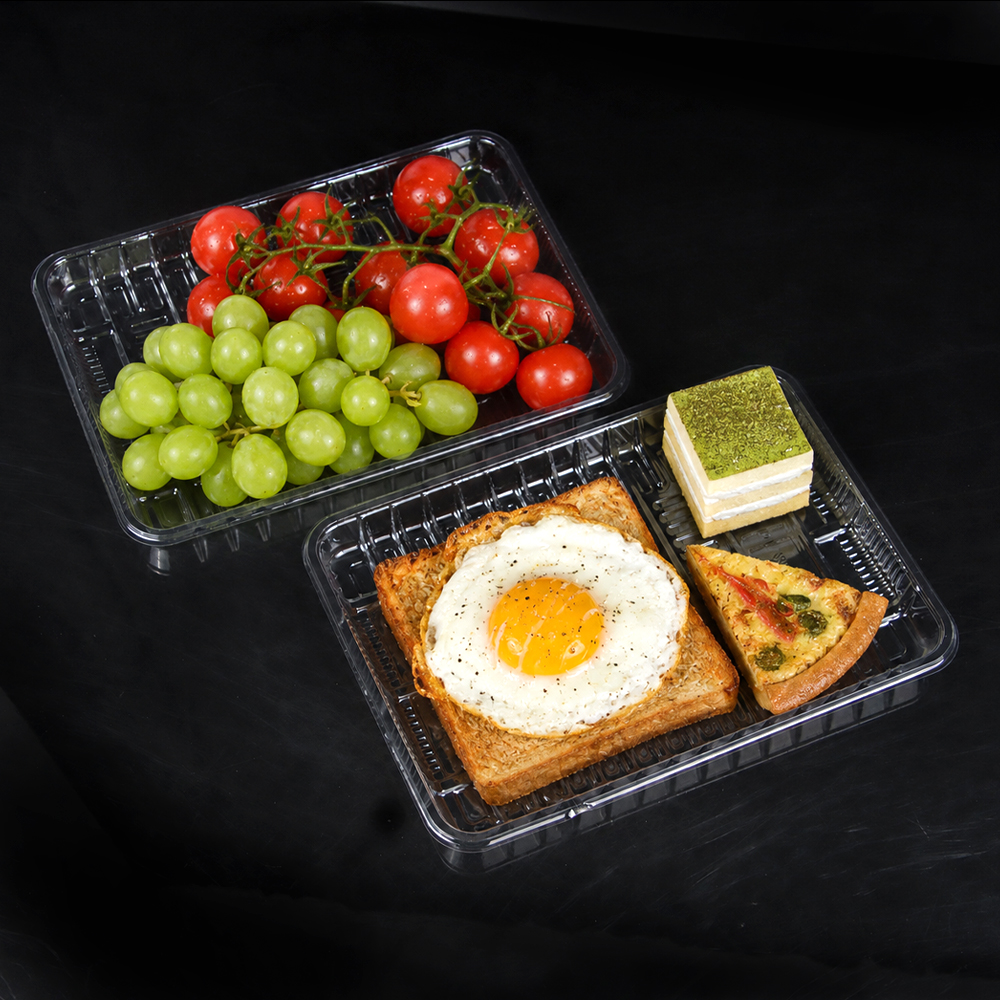
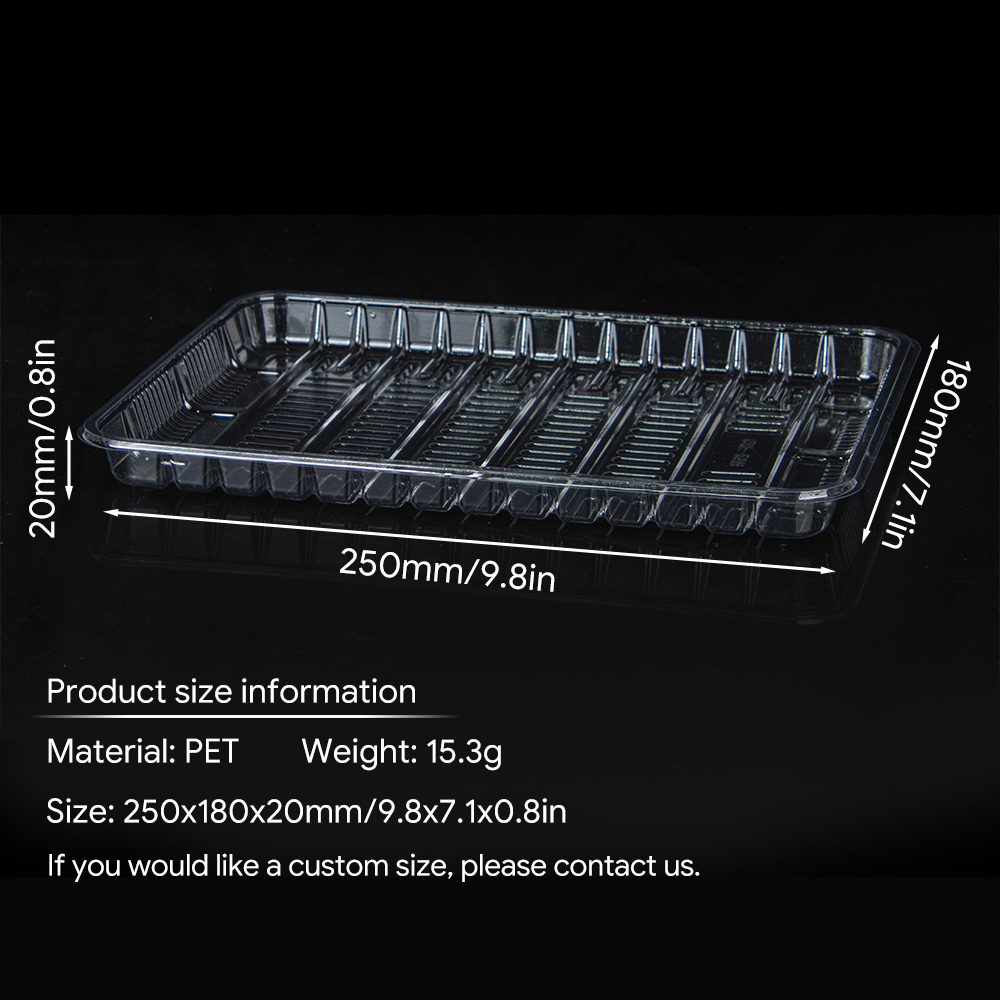
By carefully selecting  trusted suppliers, you can ensure that your business receives high-quality plastic iced coffee cups consistently. Additionally, consider using Plastic food trays for effective presentation of your beverages.
Common Problems with Plastic Iced Coffee Cups and Their Solutions

Common Problems with Plastic Iced Coffee Cups and Their Solutions

While plastic iced coffee  cups are generally reliable, certain problems can arise during usage. Here are  common issues  and their potential solutions:

Leaking: If cups are not properly sealed or if the  material is too thin, leaks can occur. To mitigate  this, choose cups with secure lids and ensure the sealing process is quality-checked during production.

Brittleness:  Exposure to extreme temperatures can make some plastics brittle. Selecting cups made from high-quality polypropylene  can help, as this material maintains its  integrity under varying temperatures.

Odor Transfer: Plastic can sometimes retain odors from the manufacturing process or previous contents. Look for suppliers that use high-grade materials  and have stringent cleaning protocols before packaging.


Environmental Concerns:  As sustainability becomes a priority, some businesses may worry about  the environmental impact of  plastic. Consider sourcing  recyclable or biodegradable options to address  these concerns while still providing quality products.


Inconsistent Quality: Variations in production can lead to inconsistent quality across batches. Working with established  manufacturers that utilize advanced quality control systems can help ensure consistency.


By  understanding these common issues and their solutions, businesses can better prepare for potential challenges when using plastic  iced coffee cups.

Installation Guidance for Using Plastic Iced Coffee Cups Effectively

Installation Guidance for Using Plastic Iced Coffee Cups Effectively

Although plastic iced coffee  cups are straightforward  to use, proper handling and installation practices can enhance their performance:

Storage: Store cups in a cool, dry  place to prevent warping or degradation of the material.  Avoid exposing them  to direct  sunlight or high temperatures.

Handling: Train staff on proper handling techniques. For instance,  avoid  squeezing the cups excessively, as this can  cause cracks or leaks.

Lid Application: Ensure  that lids are applied correctly to prevent spills. Training staff to align lids properly with  the cup rim can significantly reduce the risk of leaks.

Temperature Management: For optimal performance, use  the cups  within their specified temperature range. Overheating or freezing  drinks can compromise the cup's integrity.

Waste Management: Implement a waste  management plan  for used cups, promoting  recycling where possible. This not only addresses  environmental concerns but also enhances your brand's sustainability efforts.


Following these guidelines will help you maximize the effectiveness of plastic iced coffee cups and enhance  customer satisfaction.

Best Uses for Plastic Iced Coffee Cups in Business

Plastic iced coffee  cups are versatile and can  be utilized in various business settings. Here are some of the best applications:

Cafés and Coffee  Shops: Ideal for serving iced coffee, smoothies, and  other cold beverages, these cups are  a staple in  cafes looking  to provide  quick service.

Events and Catering: For outdoor events, parties, or catering, plastic iced coffee cups are lightweight and convenient, making them easy to transport and dispose of.

Retail Sales: Many retailers  sell iced  coffee beverages to  go. Offering  them in attractive, branded plastic cups can enhance customer experience and encourage  repeat purchases.

Food Trucks: Food trucks benefit from the portability of plastic cups, allowing them to serve a variety of cold drinks efficiently while maintaining a clean operation.

Promotional Campaigns: Branded  plastic iced coffee cups can serve as an effective marketing tool, promoting your brand  while providing customers with a practical product  for their beverages.

By recognizing these applications, businesses  can effectively leverage plastic iced coffee cups to enhance  their offerings and  improve customer satisfaction.