Quality Plastic Iced Coffee Cups with Lids

Contact Sales

Talk To Our Expert

Talk To Our Expert

Name
Email
Mobile
Message
0/1000

plastic iced coffee cups with lids

Plastic iced coffee cups  with  lids are essential  packaging solutions for businesses in  food  service, retail,  and hospitality  sectors. These cups not only  enhance  the presentation of iced beverages but also ensure convenience for customers. As a B2B  buyer, your main concerns may include quality, cost-effectiveness,  and suitability for your specific applications.  This article will guide you through the key specifications  to look for,  how to evaluate  quality,  cost  factors for  bulk orders,  effective usage, and common  issues with plastic iced coffee cups.
Our Products

Key Specifications for Quality Plastic Iced Coffee Cups with Lids

When selecting plastic iced coffee cups with lids, several key specifications should be considered to ensure you are making a suitable choice for  your business.

Material: Look for cups made from high-quality polypropylene (PP) or polyethylene terephthalate (PET). These materials are known for their durability,  clarity,  and ability to withstand temperature changes, which is crucial for iced beverages.

Dimensions: Standard sizes range  from 12  oz to 32 oz, but customization options are often available. Ensure that the cup size aligns with your  drink offerings. The diameter  of the cup may also affect compatibility with straws and lids.

Lid Compatibility: A secure lid is essential to  prevent spills. Verify that the lid fits tightly on the cup to maintain freshness and prevent leaks during transport. Consider options with  straw slots for added convenience.

Barrier Properties: The cups should  provide an adequate  barrier  against moisture and oxygen to maintain  drink quality, especially if  your products have a  longer shelf  life.

Certifications: Check  for relevant food safety certifications that indicate compliance with health  regulations, especially if the cups will be used for direct food contact.

Get a Free Quote

Our representative will contact you soon.
Email
Name
Company Name
Message
0/1000

Related product categories

How to Evaluate the Quality of Plastic Iced Coffee Cups

How to Evaluate the Quality of Plastic Iced Coffee Cups

Evaluating the quality  of plastic iced coffee cups involves  several practical steps.

Sample  Testing: Before placing a  bulk order, request samples to assess the cup's sturdiness, clarity, and lid fit. Testing under  actual operating conditions can reveal how well the cups perform during real use.

Material Inspection: Evaluate  the  thickness of the material. A thicker cup  generally offers better durability and resistance  to cracking, especially  under cold temperatures.

Visual Inspection: Look for any defects such  as uneven surfaces or discoloration, which can indicate poor manufacturing practices. Consistency in appearance is  crucial for maintaining your brand image.

Supplier Reputation: Research the  supplier’s  track record in quality control and  customer service. Reliable suppliers will often have established quality assurance processes and customer feedback.

Performance Testing: Consider how the cups perform under various conditions, such as exposure to cold drinks  or extended holding times. This  can affect  customer satisfaction and  product integrity.
Cost Factors to Consider for Bulk Orders of Coffee Cups

Cost Factors to Consider for Bulk Orders of Coffee Cups

When ordering plastic iced  coffee cups in bulk, various cost factors come into play that can affect  your  overall budget.

Material Costs: The type of plastic used significantly  impacts the price. Higher quality materials may come at a premium but can provide better performance  and customer satisfaction.

Customization  Options: Custom  printing, colors, or designs can increase costs.  While these options enhance branding, they  should be balanced against budget  constraints. For instance, consider our Factory wholesale food-grade EVOH paper trays for disposable packaging for customized solutions.

Minimum Order Quantity (MOQ): Suppliers often have MOQs, which  can influence your purchasing strategy. Assess whether  you can meet the MOQ without overstocking.

Shipping and Handling:  Consider  logistics costs, including shipping  fees and lead times. Bulk orders may  allow for cost savings on  shipping per unit, but this varies by supplier.

Quality Assurance Costs:  Implementing a quality inspection regime may incur additional costs but can prevent losses from defective  products.

Installation Guidance for Using Plastic Iced Coffee Cups Effectively

Installation Guidance for Using Plastic Iced Coffee Cups Effectively

Using plastic iced coffee cups effectively in your operations  involves understanding their proper handling and installation in service environments.

Storage Conditions: Store cups in a cool, dry place  to prevent warping and ensure they remain in optimal condition. Avoid exposure to direct  sunlight or extreme temperatures.

Preparation  for Service: Ensure the cups are  clean and dry before filling.  This helps maintain hygiene  and  prevents any contamination that could affect the beverage quality.

Filling Guidelines:  Fill cups according to  standard serving sizes to avoid  overflows. Standardizing fill levels  can also help with inventory management.

Lid Application: When applying lids, ensure they are  securely  fastened to avoid  leaks. A  proper seal is essential, especially for take-out  services.

Training Staff: Educate staff on how to handle and serve the cups properly  to  maintain a professional presentation and ensure customer satisfaction.

Common Problems with Plastic Iced Coffee Cups and Their Solutions

While  plastic  iced coffee cups are generally reliable, some common issues may arise during use, along with practical solutions.

Leakage: If cups are leaking,  it may be due to improperly fitted lids or defects in the cup. Ensure that you source high-quality lids that fit securely and inspect cups before use.

Cracking Under Cold Conditions: Some lower-quality cups may crack when filled with very  cold beverages. Opt for thicker-walled options made from robust materials like PET to mitigate this issue.

Incompatibility with Straws: Occasionally, the straw size may not fit  the cup’s lid opening. Consider standardizing on a specific  straw size  that aligns with your cup selection.

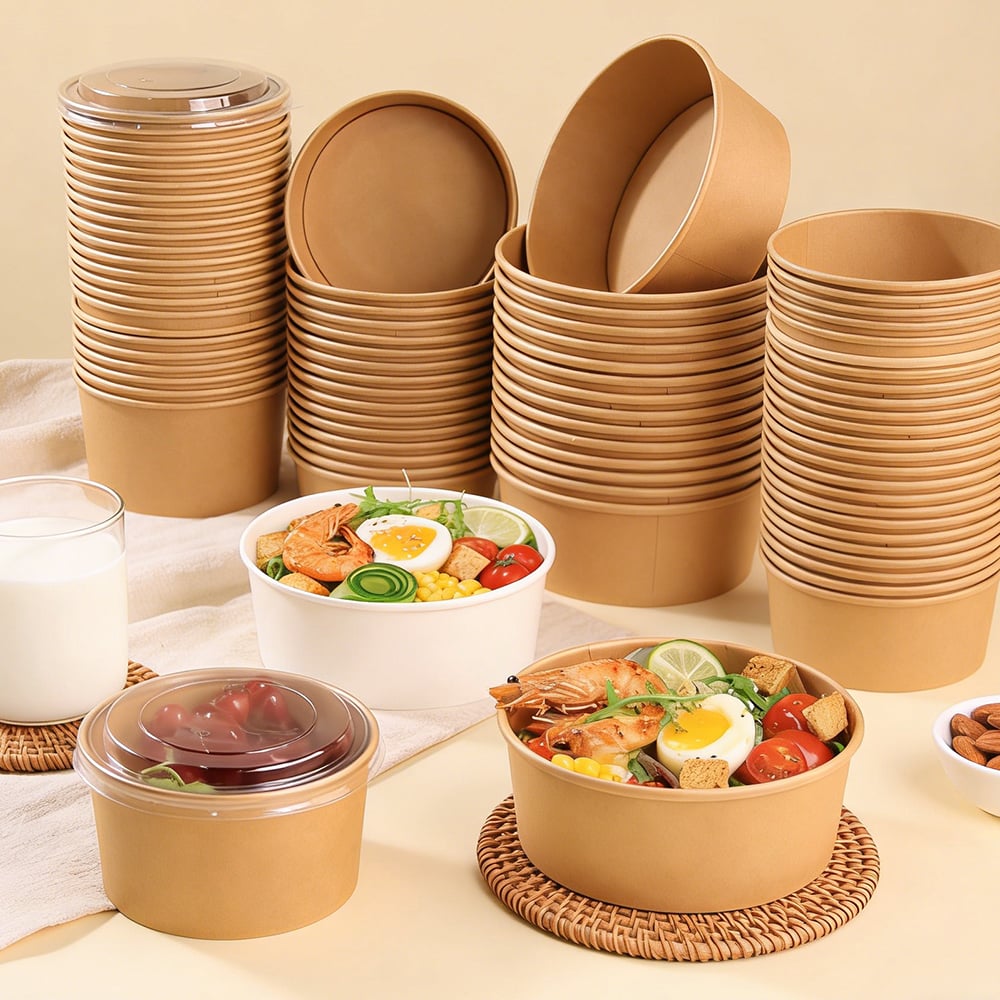
Environmental Concerns: Increasingly, businesses  are facing  pressure to reduce plastic usage. Explore options for recyclable or biodegradable cups to align with sustainability goals, such as our Biodegradable kraft paper bowls with lids for takeaway food containers.

Branding Limitations: If customization is limited, consider suppliers that offer flexible  printing options. Packaging  that reflects your  brand can enhance  customer loyalty.

By understanding these  aspects  of plastic  iced coffee cups with lids, you can make informed purchasing decisions that align with your business needs. Prioritize  quality, assess  costs, and ensure  effective usage to  provide a superior product experience to your customers.