High-Quality Plastic Iced Coffee Cups for Businesses

Contact Sales

Talk To Our Expert

Talk To Our Expert

Name
Email
Mobile
Message
0/1000

iced coffee cups plastic

In  the world of food service  and retail,  iced coffee cups made  from plastic serve as a vital component for businesses looking to serve customers efficiently while ensuring product durability and aesthetic appeal. The choice of  iced coffee cups plastic can  influence  several factors, including customer experience, cost-effectiveness,  and environmental considerations. This article will delve  into the key specifications of these  cups,  sourcing reliable suppliers, comparing  costs  for wholesale buyers,  understanding  the advantages  of  plastic materials, and providing installation  guidance for efficient  use.
Our Products

Key Specifications for High-Quality Plastic Iced Coffee Cups

When selecting plastic iced coffee cups, it’s essential to consider key specifications that ensure functionality and appearance. First, the material type plays a crucial role. Commonly used plastics include PET  (Polyethylene Terephthalate) and PP (Polypropylene), both known for their clarity and durability.

Thickness: The cup’s  thickness can affect its  sturdiness and insulation properties.  A thicker  cup may offer better resistance to temperature changes, reducing the risk of condensation and maintaining the beverage’s temperature longer.

Capacity: Iced coffee cups typically come in various sizes ranging from 12  oz to 32  oz.  Selecting the right capacity depends on the target market and product  offerings.

Sealing and Lid  Compatibility: Ensuring the cup is compatible with appropriate lids is crucial for preventing spills during transport.  Custom lid options can also enhance  the customer experience.

Design Features: Consider  features like double-walled construction  for insulation, which enhances user comfort and reduces condensation on  the exterior.

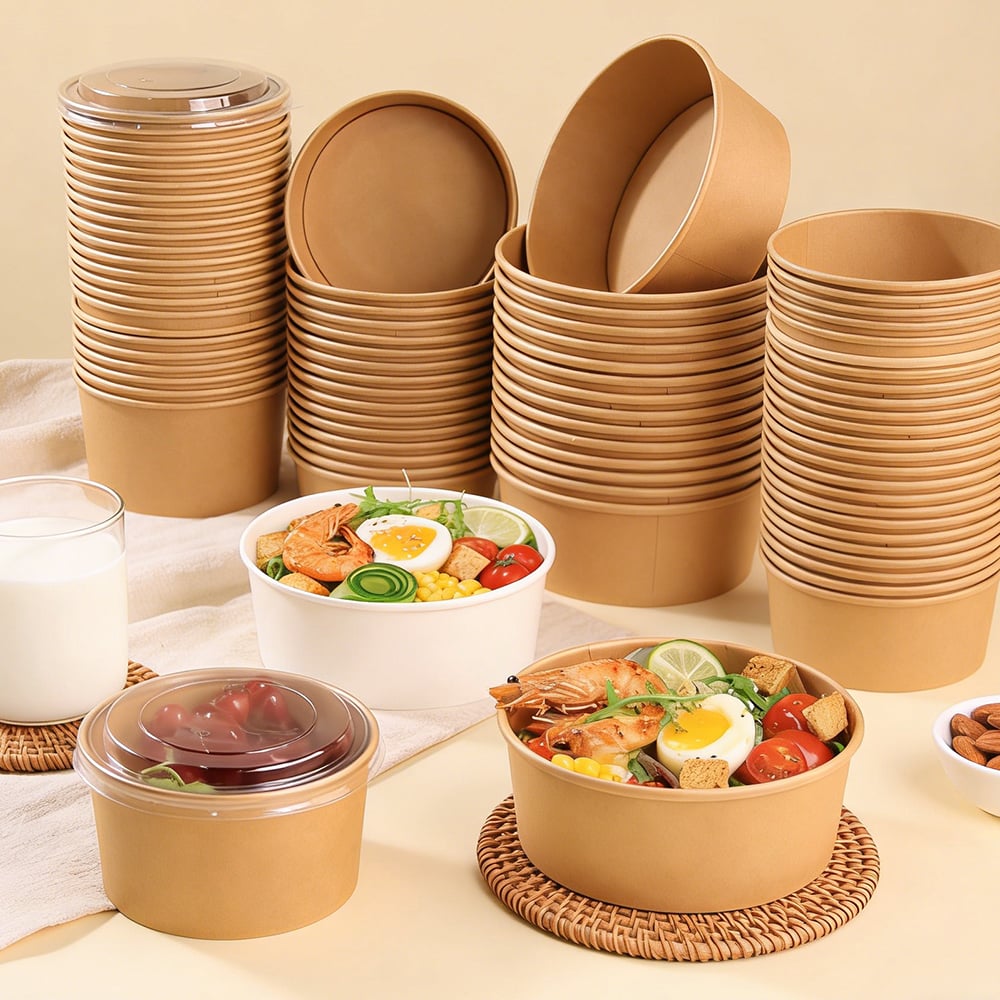
Recyclability: As sustainability  becomes increasingly important,  buyers should inquire about the recyclability of the  materials used in the  cups to align with eco-friendly practices. For example, many businesses are now considering options like paper food takeout containers to complement their plastic offerings.

Get a Free Quote

Our representative will contact you soon.
Email
Name
Company Name
Message
0/1000

Related product categories

Where to Find Reliable Suppliers for Iced Coffee Cups

Where to Find Reliable Suppliers for Iced Coffee Cups

Sourcing high-quality plastic iced  coffee cups requires diligent  research and  evaluation  of potential suppliers. Start by identifying  manufacturers with a strong reputation in food packaging, like XM XIEFA, known for innovative and  cost-effective solutions.

Industry Directories: Utilize B2B platforms and industry-specific directories to find suppliers specializing in food packaging.  Websites like ThomasNet, Alibaba, and industry trade shows can provide extensive listings.

Certifications:  Verify that potential suppliers  maintain relevant certifications such as ISO standards for quality management and safety. This  can assure buyers  of consistent product quality.

Sample  Requests: Before placing a bulk order, request samples to evaluate the product’s  quality,  design, and functionality. This step is crucial in confirming that the cups meet your specific requirements.

Customer Reviews and  References: Seek feedback from  other businesses that  have  worked  with the supplier. Positive reviews and case studies can indicate  reliability and product performance.
Comparing Costs of Plastic Iced Coffee Cups for Wholesale Buyers

Comparing Costs of Plastic Iced Coffee Cups for Wholesale Buyers

Cost comparison is a fundamental aspect of the procurement process for businesses looking to purchase plastic iced coffee cups in  bulk. Factors influencing the  price include:

Material Costs: The type  of  plastic used significantly impacts pricing. While PET is often more expensive due to its superior clarity and strength, it  may offer  better value  in terms  of  durability and customer appeal.

Order Quantity: Most suppliers have a  minimum order quantity (MOQ) that can affect pricing. Larger  orders  typically benefit from volume discounts, making it essential to evaluate  your requirements against supplier pricing structures.

Customizations: Custom branding options, such as printed logos or unique designs, can increase costs. However, these features can enhance brand visibility  and customer loyalty, potentially justifying the higher expense.

Shipping and Logistics: Consider  shipping costs and logistics when comparing  prices. Suppliers  located closer to your distribution center may offer better overall pricing due to reduced freight costs.

Lead  Times: Prices may vary based on  production lead times. Suppliers with shorter lead times may charge a premium, but this can be worth it for timely  supply and reduced stockouts.

Understanding Material Advantages of Plastic Iced Coffee Cups

Understanding Material Advantages of Plastic Iced Coffee Cups

The choice of material for iced coffee cups is critical for performance and sustainability. Here’s a breakdown of the advantages  of using plastic:

Durability: Plastic cups are less prone to breaking compared to glass or paper alternatives,  making them ideal  for  high-traffic environments like cafes  and events.

Lightweight: Plastic cups are easier to handle  and transport, reducing  shipping costs  and making them more suitable for takeout applications.

Barrier  Properties: Certain plastics offer excellent  barrier properties, protecting the beverage from external contaminants  and  ensuring  it maintains its intended flavor and aroma.

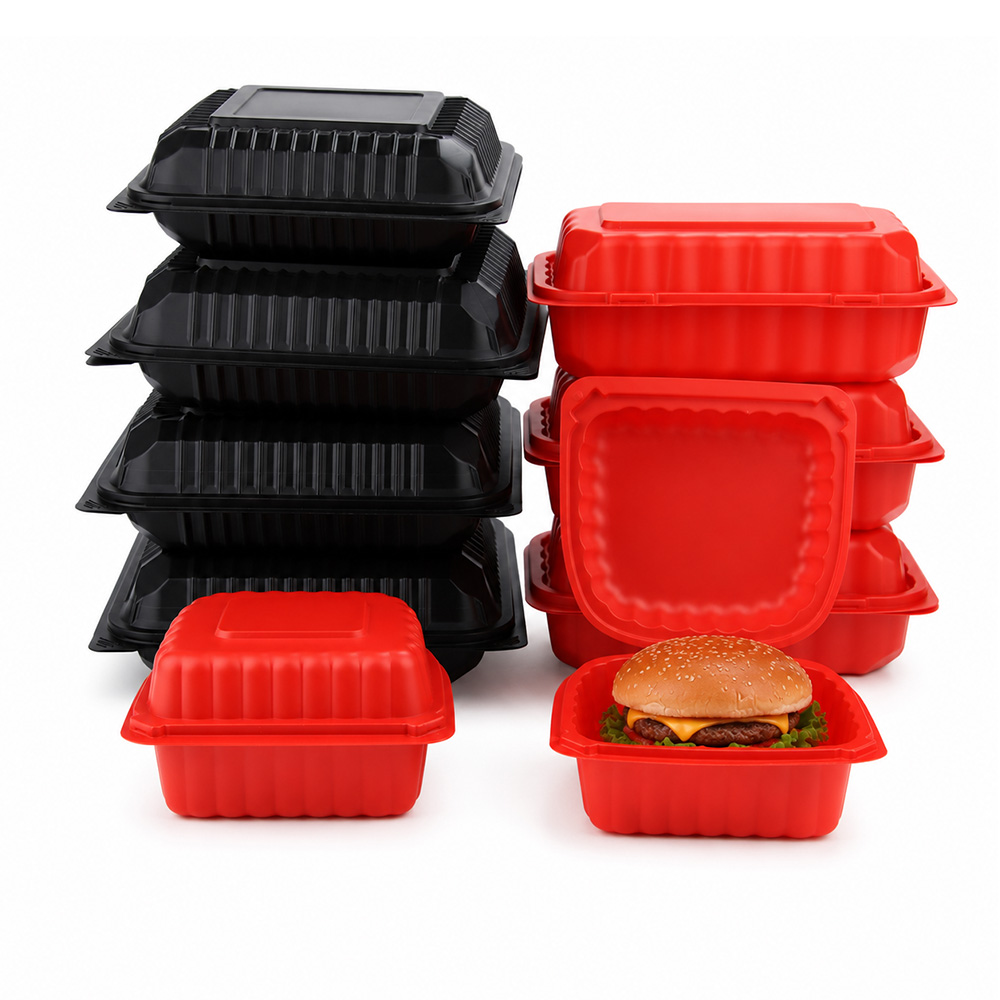
Cost-Effectiveness:  Generally,  plastic cups can  be produced  at a lower cost  than glass or biodegradable materials, translating to better profit margins for businesses. Additionally, businesses can consider using plastic food takeout containers to further enhance their service.

Recyclability: Many plastic cups are recyclable, allowing businesses to promote their environmental responsibility and  cater to eco-conscious consumers.

Installation Guidance for Efficient Use of Iced Coffee Cups

Proper installation and  usage  of iced coffee cups can enhance  operational efficiency and customer satisfaction. Here are some practical tips:

Cup Dispensers: Implement cup dispensers  in high-traffic areas to streamline access for employees. Ensure the dispensers are compatible with the specific cup sizes you plan to use.

Lid Placement: Organize lids near  the cup dispensers to facilitate quick assembly. Consider a system that prevents mismatched lids, which can lead to spills and customer dissatisfaction.

Stock Management: Regularly monitor inventory levels  to prevent running  out of popular cup sizes. Establish a reorder point based on sales data to  ensure a consistent supply.

Staff  Training: Train staff  on proper handling techniques to minimize waste and ensure  that cups  are filled correctly,  maintaining aesthetic presentation.

Feedback  Mechanism: Encourage customers to  provide feedback on their experience with the cups. This information can  be valuable  for making necessary adjustments  to  your product  offerings.

By considering these critical aspects of iced coffee cups plastic, businesses can make informed purchasing decisions that enhance their operations and customer satisfaction.