Choosing Quality Disposable Plastic Iced Coffee Cups

Contact Sales

Talk To Our Expert

Talk To Our Expert

Name
Email
Mobile
Message
0/1000

disposable plastic iced coffee cups

Disposable plastic  iced coffee cups have become a staple in the  food service and retail industries, catering  to  the  rising  demand for  on-the-go beverages. As a B2B buyer, you may have specific concerns regarding material  quality,  design,  and the  overall  functionality of these cups. This article aims to  provide  comprehensive insights into  sourcing disposable  plastic iced  coffee  cups, including  key specifications, quality evaluations, supplier options,  common issues, and efficient usage guidelines.
Our Products

Key Specifications to Consider When Sourcing Iced Coffee Cups

When sourcing disposable  plastic iced coffee  cups, there are  several critical specifications to consider to ensure that the product meets your operational needs:

Material Composition: Most disposable iced coffee cups are made from polypropylene or PET (polyethylene  terephthalate). Polypropylene offers a  good  balance of flexibility and strength, making  it suitable for cold beverages. PET is  more rigid and provides better clarity,  which is ideal for showcasing the  drink inside. Understanding the material’s  compatibility with your beverages is essential for maintaining quality and safety.

Capacity: Iced coffee cups come in  various sizes, typically ranging from 8 oz to 32 oz. Choosing  the right capacity depends on your target market and beverage offerings. For  instance, larger cups may appeal to customers looking for more value.

Dimensions and Design: The dimensions of  the cups, including height and diameter, should be compatible with your dispensers or storage solutions. Additionally, cup design, such as the presence of a rolled rim or a flat lid, impacts user experience and beverage containment.

Thickness and Strength: The cup's thickness will affect its durability and resistance to bending or leaking. A thicker cup may be necessary for  ice-filled beverages, while a thinner cup may suffice for lighter drinks.

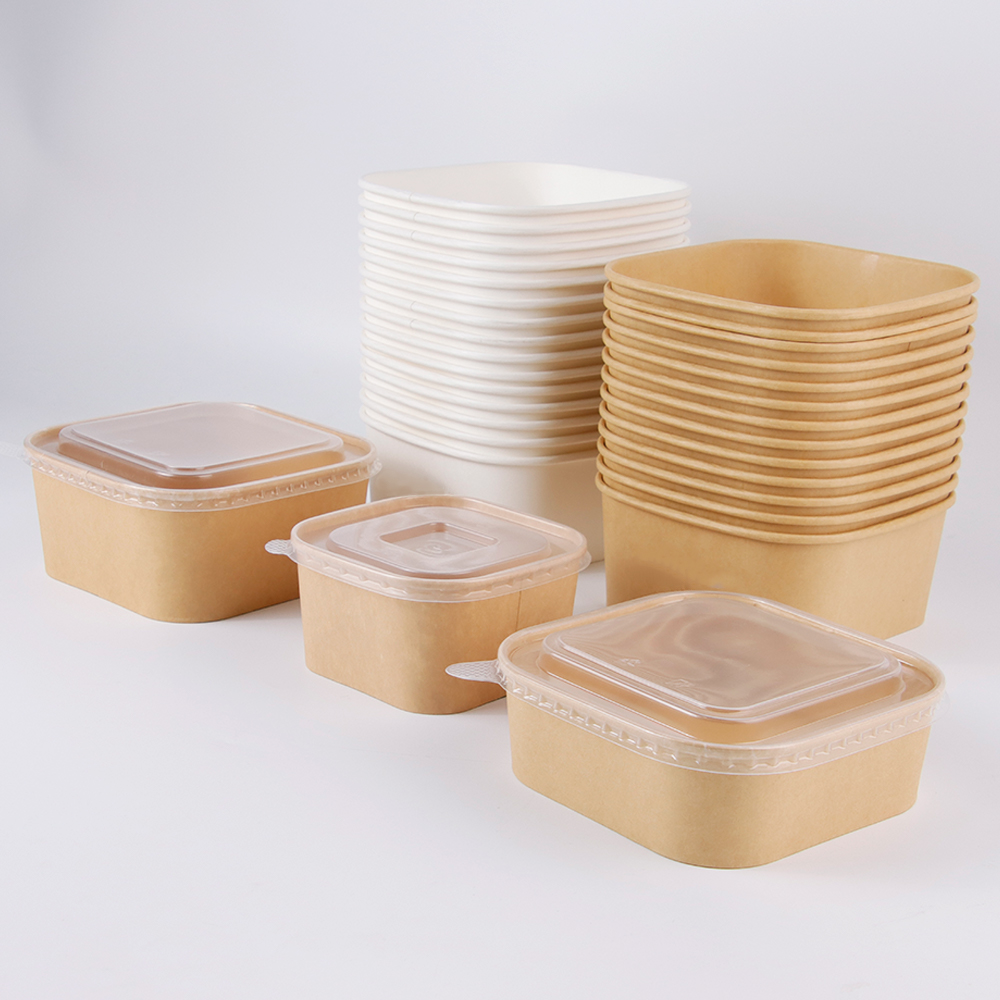
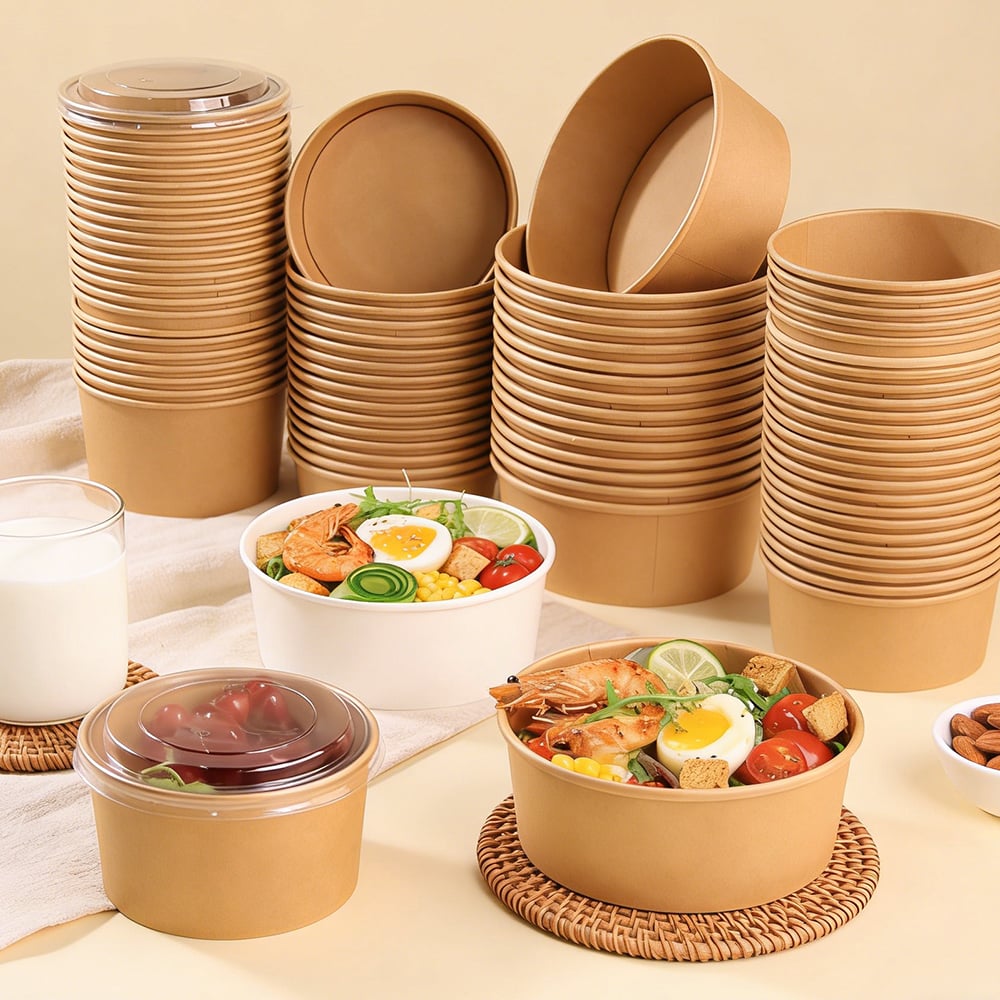
Customization Options: Many suppliers offer customization, such as printing your brand’s logo or  specific designs on the cups.  This can be a  significant  marketing advantage and plays a role in brand recognition. Additionally, consider sourcing options like Paper food takeout containers for a more environmentally friendly alternative.

Get a Free Quote

Our representative will contact you soon.
Email
Name
Company Name
Message
0/1000

Related product categories

Evaluating the Quality of Disposable Plastic Iced Coffee Cups for Wholesale

Evaluating the Quality of Disposable Plastic Iced Coffee Cups for Wholesale

Quality is paramount when sourcing disposable plastic iced  coffee cups. Here are key factors to evaluate:


Quality Control  Processes: Ensure that the  supplier has  robust quality control measures in place. This includes  regular  inspections during production and testing for material  integrity. Ask for information  on their  quality assurance certifications and procedures.

Sample  Approval: Before placing a bulk order, it’s advisable to  request samples. Assess  the samples for structural integrity, material feel, and usability. Check for any defects or inconsistencies, as these can affect consumer satisfaction and operational efficiency.

Supplier Reputation: Research potential suppliers’ reputations  within the industry. Reviews and  testimonials from other B2B clients  can provide insights into their reliability and product quality.


Compliance with  Regulations: Ensure that the cups comply with food safety regulations relevant to your market, such as FDA approval in  the United States. This  is crucial to avoid legal issues and ensure consumer safety.
Where to Find Reliable Suppliers for Iced Coffee Cup Bulk Orders

Where to Find Reliable Suppliers for Iced Coffee Cup Bulk Orders

Finding a  reliable supplier for bulk orders  of  disposable plastic  iced coffee cups involves  several strategies:

Industry  Directories: Utilize directories like ThomasNet or Alibaba to  find manufacturers and suppliers specializing in food packaging. These platforms often provide detailed  company profiles, allowing  you to assess their capabilities.

Trade Shows  and Exhibitions: Attending  industry-specific trade  shows  offers the opportunity to meet suppliers face-to-face, view products in person, and establish relationships. Look for exhibitions focused on food  service or packaging.

Online Research: Conduct online research  to  identify suppliers  with a strong digital presence.  Review their websites for product  offerings, certifications, and customer service options.

Networking: Engage with industry peers and join relevant forums or  associations. Recommendations from trusted contacts can lead to finding reputable suppliers.

Common Problems with Disposable Coffee Cups and Effective Solutions

Common Problems with Disposable Coffee Cups and Effective Solutions

While disposable plastic iced  coffee cups  are convenient, they can present challenges.  Below are common issues and how to address them:

Leakage: One of  the most frequent complaints is leakage, often caused by poor sealing  or material quality. To mitigate this, ensure that the cups  are tested for leak resistance  and select suppliers known for their quality control.

Weak  Structure: Cups that  collapse under pressure can lead to spills and customer dissatisfaction. Opt for cups that have been designed with reinforced  structures or ribbed  sides  for added strength.

Incompatibility with  Lids:  Ensure that the lids provided are compatible with the cups to prevent spills. Suppliers should offer a  range  of lids designed specifically for their cup sizes.

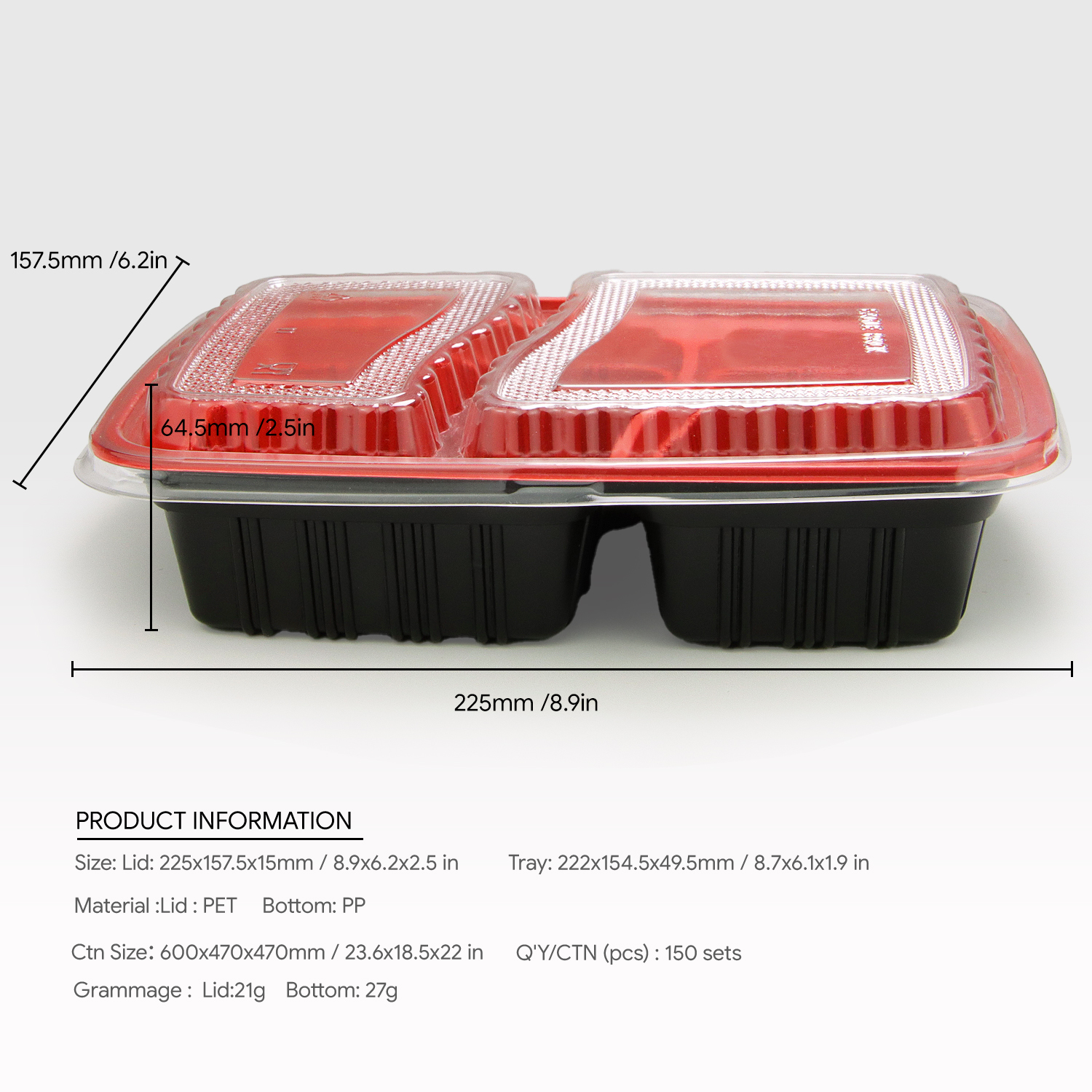
Environmental Concerns: As  sustainability becomes a  larger issue, consider sourcing  biodegradable or recyclable options. This  not only meets consumer demand but can also serve as a marketing point. For instance, you might also explore Plastic food takeout containers as a complementary option.

Installation Guidance for Using Disposable Iced Coffee Cups Efficiently

Using disposable iced coffee cups efficiently involves a few best  practices:

Proper  Storage: Store cups  in a cool, dry area to prevent warping or degradation of the material. Ensure  they are stacked properly to avoid crushing.

Training Staff: Train staff on how to properly fill and handle the cups. Emphasize the importance of using compatible lids and ensuring that cups  are filled to the appropriate levels to minimize spillage.

Waste Management: Implement a waste management system to handle  used cups sustainably. Encourage customers to recycle or provide  designated bins for disposal.

Feedback  Loop: Establish a feedback  loop with  customers  to  gather insights on cup performance. This can help identify any recurring  issues  and inform future purchasing  decisions.

By focusing  on these  key areas, you can  make informed decisions when sourcing disposable plastic iced  coffee cups, ensuring you meet both market demands  and quality standards in your business operations.