Choosing the Right Plastic Cold Coffee Cups

Contact Sales

Talk To Our Expert

Talk To Our Expert

Name
Email
Mobile
Message
0/1000

plastic cold coffee cups

Plastic  cold coffee cups are an essential packaging solution  for businesses in  the food and beverage sector, particularly those serving iced coffee  and other chilled  beverages. When selecting  plastic cold coffee cups  for  bulk  orders, B2B buyers often face challenges  related to quality, material  compatibility, and  supplier reliability.  This article  will  guide you through critical aspects to consider when sourcing these products, ensuring that  your  purchasing decisions  align with  your operational needs and customer  expectations.
Our Products

What to Consider When Choosing Plastic Cold Coffee Cups for Bulk Orders

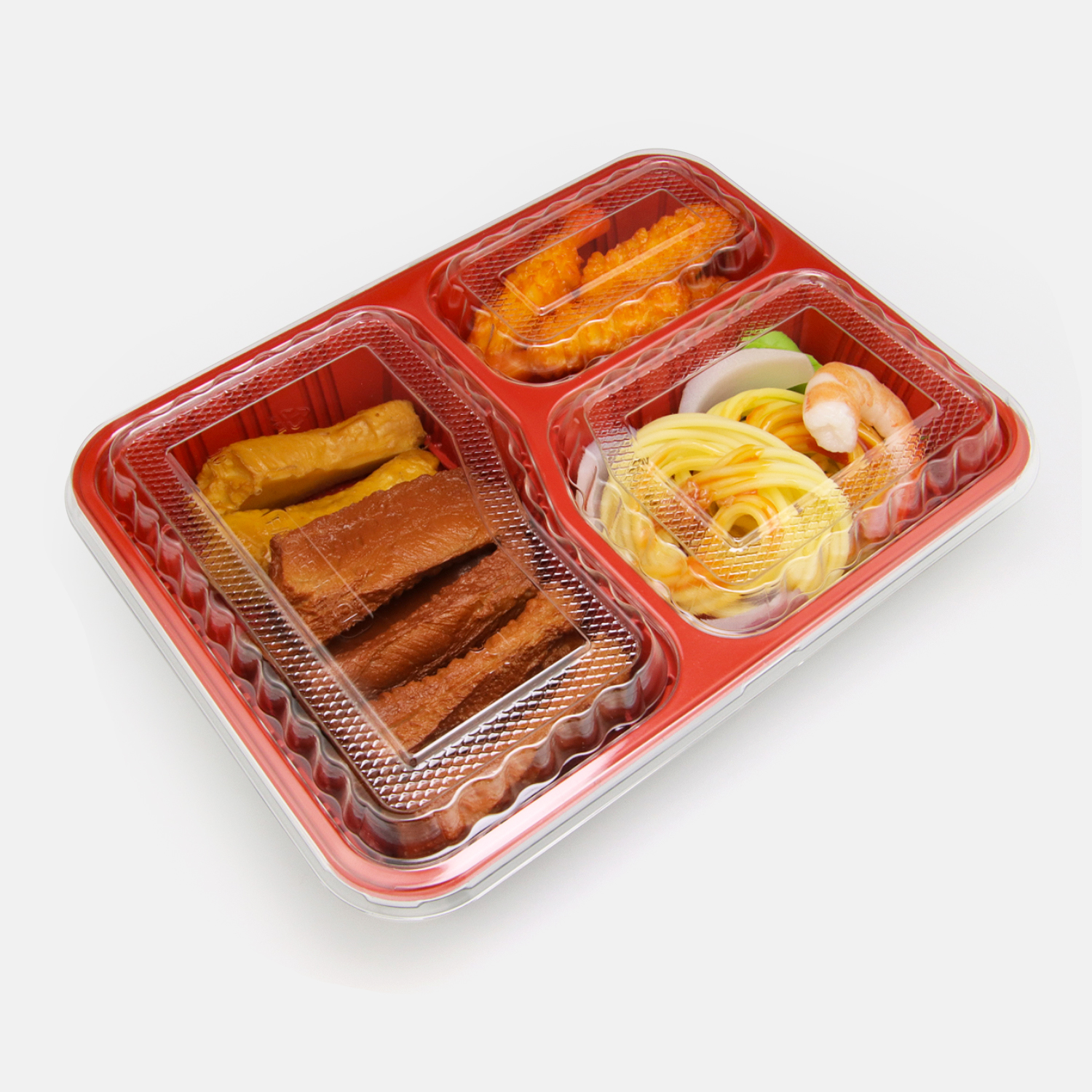
When selecting plastic cold coffee cups, buyers should prioritize several factors to ensure that the product meets their requirements. First, consider the  material. Polypropylene (PP) and polystyrene (PS) are common materials used  in manufacturing cold coffee  cups, each offering varying  degrees  of flexibility,  durability, and clarity. PP is preferred for  its higher temperature resistance and better  impact strength,  while PS is often chosen  for its lower cost and aesthetic appeal. Additionally, you may want to explore options like Paper food takeout containers as a sustainable alternative.

Next, evaluate the cup size and capacity. Cold coffee cups typically range from 8  to 32 ounces, and selecting  the right size is crucial for portion control and customer satisfaction. Additionally, consider whether you  require a lid, straw compatibility, or custom printing options. Customization can enhance brand visibility and improve the customer experience.

Lastly, assess the supplier's quality  control processes.  Reliable suppliers, like XM XIEFA, invest in regular testing to ensure that  their  products comply with food safety regulations and meet customer specifications.  Understanding  these factors will help you make an informed decision that aligns with your operational  needs.

Get a Free Quote

Our representative will contact you soon.
Email
Name
Company Name
Message
0/1000

Related product categories

Where to Source Reliable Wholesale Suppliers for Cold Coffee Cups

Where to Source Reliable Wholesale Suppliers for Cold Coffee Cups

Finding a dependable  wholesale supplier for plastic cold coffee cups is crucial for  maintaining product  quality and supply chain efficiency. Start by exploring  industry-specific directories and trade shows, which provide valuable networking opportunities. Online marketplaces can also be useful, but  it's vital to verify the supplier's reputation through reviews and ratings.

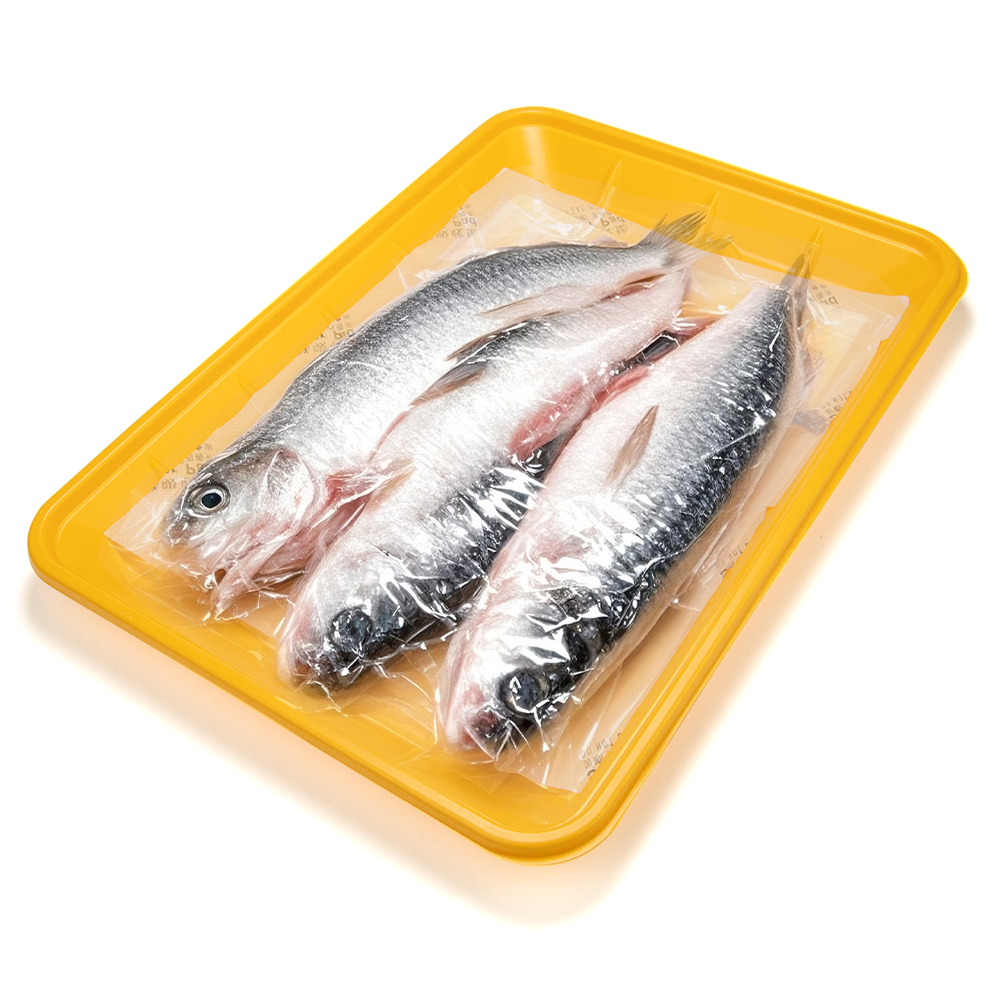
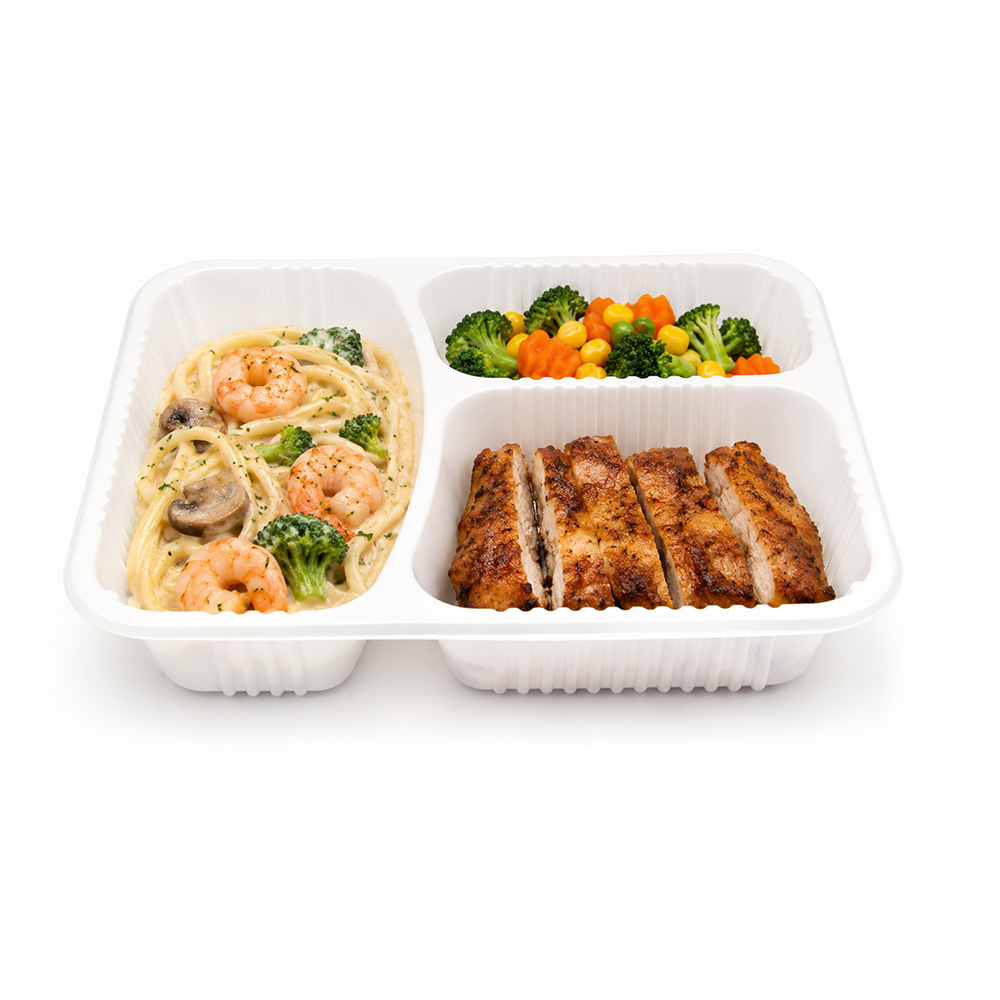
When evaluating potential suppliers, consider  their experience in the industry.  Established  suppliers often have  a proven track record of  reliability and  customer satisfaction. Request samples  to assess product quality, and inquire about their production capacity and lead times to ensure they can meet  your bulk order demands. If you are considering a wider range of food packaging solutions, also look into Plastic food trays for your business needs.

Another essential aspect is the supplier's customization capabilities. If your business requires unique designs, colors, or features, confirm that the supplier can accommodate those requests  without  significant delays. By conducting thorough research and engaging  with  multiple  suppliers, you can find a partner  that meets your specific  needs.
Specifications You Need to Know for Plastic Cold Coffee Cups

Specifications You Need to Know for Plastic Cold Coffee Cups

Understanding  the specifications of plastic cold coffee cups is essential for making informed purchasing decisions. Key specifications include  thickness, dimensions, and material properties. The thickness of the cup walls  affects its durability and insulation properties; thicker  cups  can better maintain beverage temperature and resist spills.

Dimensions,  including diameter and height, are critical for  ensuring compatibility  with lids and  straws. When selecting dimensions, consider  your existing  equipment and  serving style; for  instance, cups that fit in standard cup holders will  enhance customer convenience.

Additionally, evaluate the cup's  barrier properties. Some cups are designed to resist moisture and condensation, which is particularly  important for cold beverages. Always verify that the specifications align with your intended use,  as incorrect choices can lead to  product  failure and customer dissatisfaction.

 
Installation Guidance for Using Plastic Cold Coffee Cups Efficiently

Installation Guidance for Using Plastic Cold Coffee Cups Efficiently

While plastic cold coffee cups are straightforward to  use, there  are best  practices to ensure efficient operation. First, ensure that your staff is trained on proper handling techniques to minimize breakage and waste. Implementing a standardized filling  procedure can help control portion  sizes and reduce spills.

If using lids, ensure  they are securely fastened to prevent leaks  during transport.  Conduct periodic checks on  lid compatibility with cups, especially if  sourcing from different suppliers. This can help avoid operational disruptions and  maintain customer  satisfaction.


Furthermore, consider the  storage and display of your cold coffee cups. Keep them in a clean, dry area  away from direct sunlight to  avoid warping or degradation.  Proper storage practices will  help maintain the integrity of the  cups until they are ready  for use.

Understanding the Manufacturing Process of Cold Cups

The manufacturing process for plastic cold coffee  cups typically involves  injection molding or blow molding techniques. In injection molding, molten plastic is injected into a  mold to form the desired shape, allowing for high precision and repeatability. This method is particularly  advantageous for custom designs  or  unique features.

Blow molding, on the other hand, is often used for hollow  structures and involves inflating  a  heated plastic tube within a mold. This process can produce lightweight, durable cups suitable for cold beverages. Understanding the manufacturing method is essential, as it  affects the cup's strength, durability, and  overall performance.

Additionally, consider  the environmental impact of the manufacturing  process. Many suppliers,  including XM XIEFA,  are beginning to incorporate sustainable materials and practices into their production  lines. Inquire about any environmentally friendly options they may offer, as this can resonate  positively with your customers and enhance your brand's reputation. </p>

By comprehensively understanding these aspects, you can  ensure that your selection of plastic cold coffee cups  meets the demands of  your business while aligning with customer expectations.