Key Specifications for Plastic Cold Drink Cups

Contact Sales

Talk To Our Expert

Talk To Our Expert

Name
Email
Mobile
Message
0/1000

plastic cold drink cups

Plastic cold  drink cups are essential for  various sectors, including food service, retail, and hospitality.  These cups offer convenience for serving  beverages while ensuring  durability and  functionality. As  a  B2B buyer, your main concerns may  include sourcing high-quality products that  meet performance  standards,  ensuring cost-effectiveness, and understanding the specifications that best  suit your needs. This article  will guide you through key  specifications, bulk order comparisons,  common issues,  installation  guidance,  and the material advantages of plastic cold  drink cups.
Our Products

Key Specifications to Consider When Sourcing Cold Drink Cups Wholesale

When sourcing plastic cold drink cups, several specifications should be  prioritized to ensure they meet your operational requirements. Key  factors include:

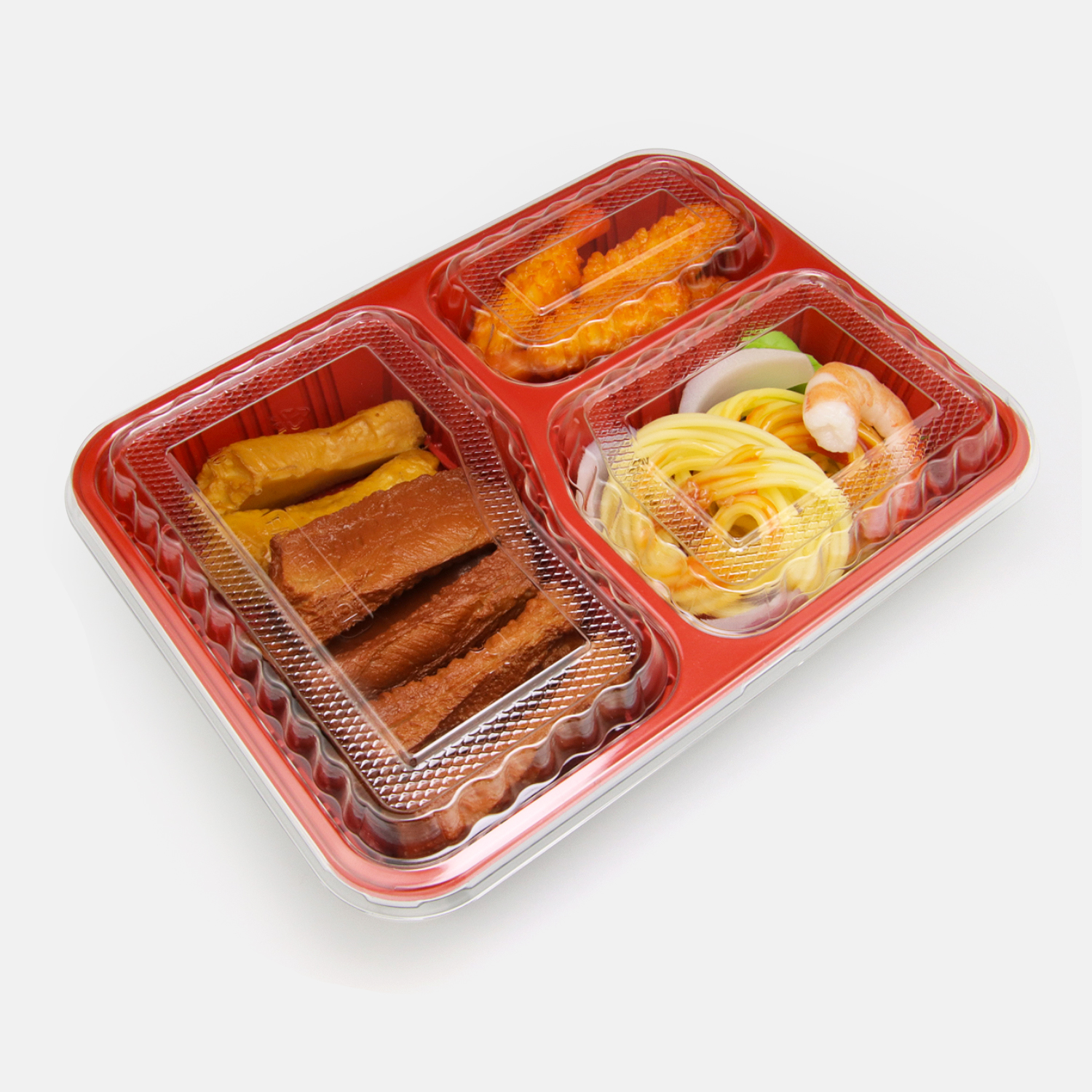
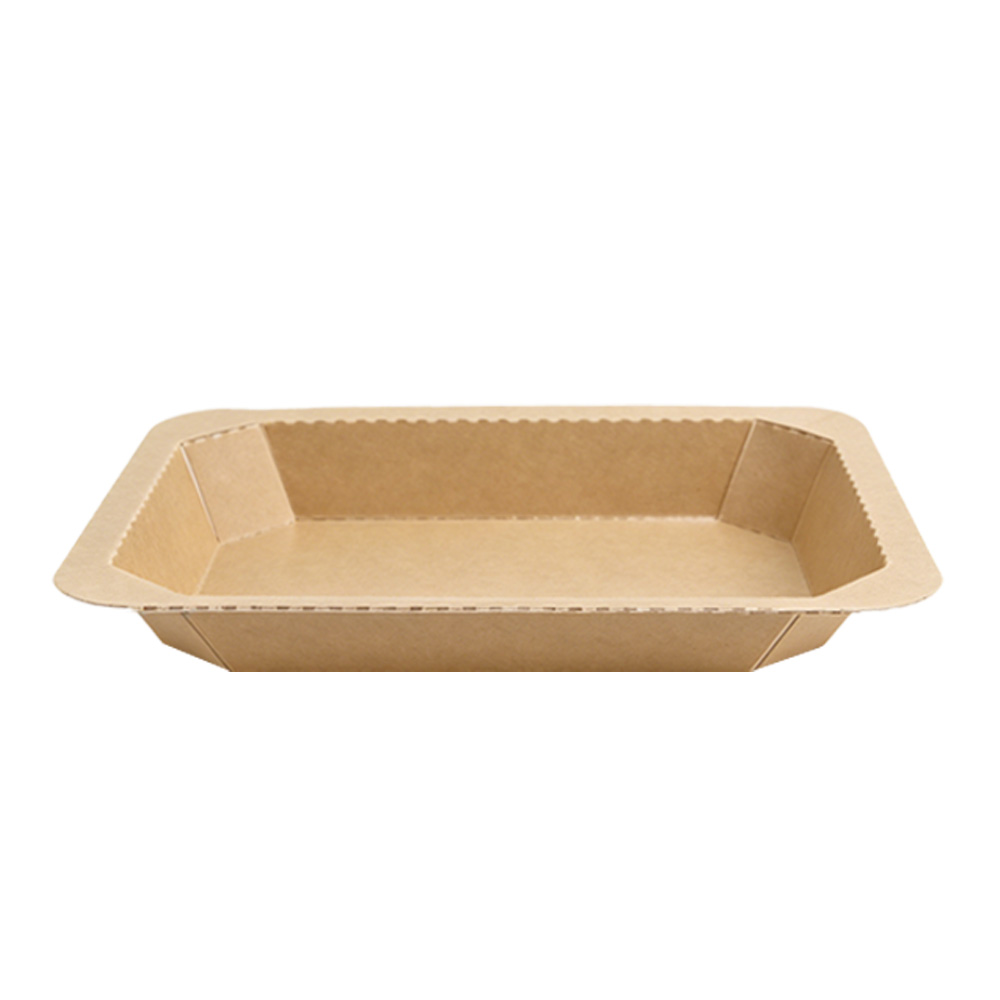
Material Composition: Most plastic  cold drink cups are made from  polypropylene or polystyrene. Polypropylene  is known for its durability and resistance to heat, making it ideal for both  cold and hot beverages.  Polystyrene, while less heat-resistant, offers clarity  and is often more cost-effective for cold drinks.  If you are looking for specific packaging solutions, consider our Factory wholesale food-grade EVOH paper trays for disposable packaging as an excellent option.

Capacity: Cups typically  range from 8 oz to 32 oz. Consider your beverage offerings and customer preferences when  selecting sizes. Custom sizes may be available  depending on your  supplier's  capabilities.

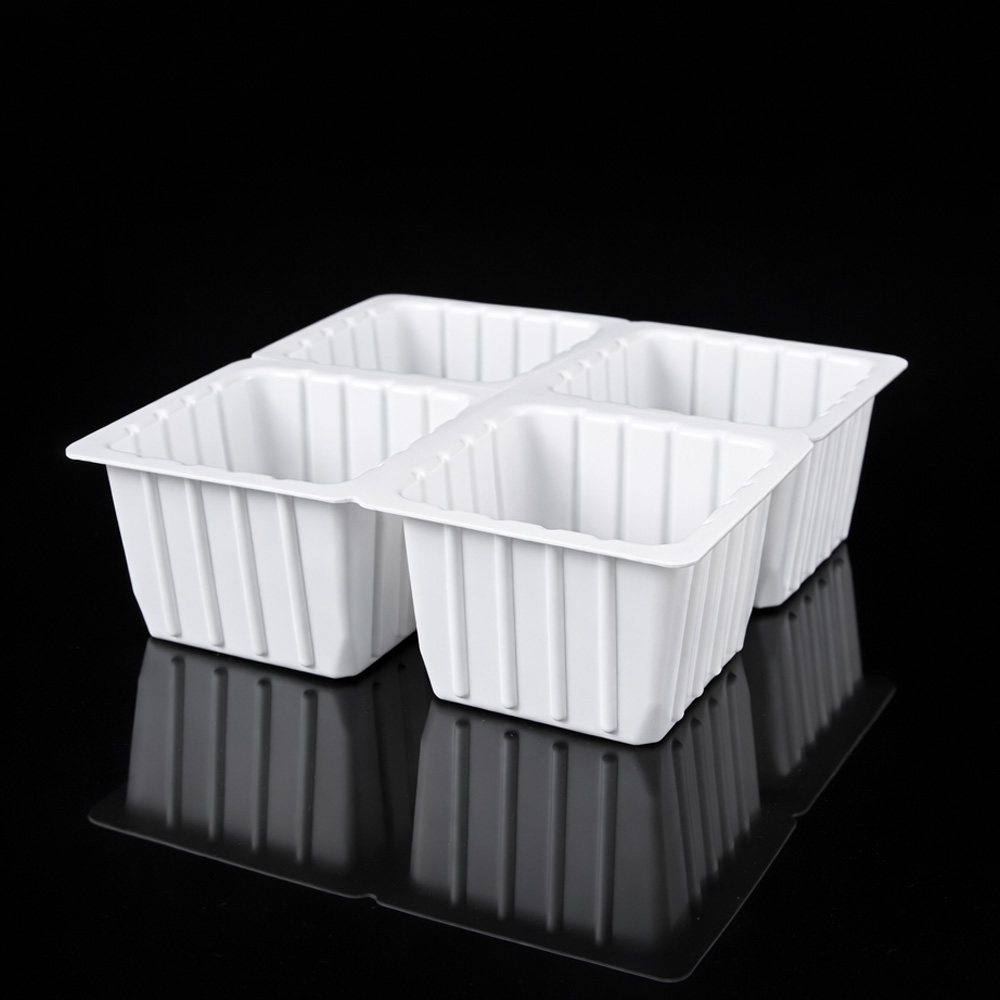
Thickness and Structure: The cup's  wall thickness directly impacts its sturdiness and insulation  properties. Thicker cups may be more durable but can also increase costs. Evaluate the trade-offs based on your expected usage.  You might also explore our Customized wholesale 15-compartment white PP dumpling tray packaging for tailored solutions.

Sealing and Lid Compatibility: Ensure that the cups you select are compatible with available lids.  A secure fit is crucial for preventing spills and maintaining beverage temperature  during  transport.

Certification and Compliance: Check for  compliance with food safety standards and regulations that may apply in your region. Certifications provide assurance regarding the safety and quality of the materials used.

Understanding these specifications will help you make informed decisions that align with your business  needs.

Get a Free Quote

Our representative will contact you soon.
Email
Name
Company Name
Message
0/1000

Related product categories

Comparing Bulk Order Options for Plastic Cold Drink Cups

Comparing Bulk Order Options for Plastic Cold Drink Cups

When  considering bulk orders for plastic cold drink cups,  various factors influence pricing and  lead times. Here’s  a  breakdown  of what to  compare:

Minimum Order  Quantity (MOQ): Different suppliers have varying MOQs. It’s essential to confirm these requirements early on, as they can affect  your purchasing strategy and storage considerations.

Pricing Structure: Bulk pricing often decreases per unit cost, but be  mindful of additional fees such as shipping and handling. Request detailed quotes that outline all costs associated with your order.

Lead Time: Understand the lead times associated with your order. Factors such as customization, production capabilities,  and inventory levels  can impact how quickly you receive your products.

Payment Terms: Check for payment flexibility that suits your financial planning. Some suppliers may offer discounts for early payments, while others may require deposits before production.

Supplier Reliability: Evaluate potential suppliers based on their reputation, delivery  performance, and quality  control processes. A supplier with  a proven track record can  significantly reduce risks  in your supply chain.

By conducting a thorough comparison of  these factors, you  can secure a deal that aligns with your budget and operational  needs.
Common Problems with Plastic Cold Drink Cups and Their Solutions

Common Problems with Plastic Cold Drink Cups and Their Solutions

Despite their widespread use, plastic cold drink cups can encounter several common issues.  Awareness of these problems and  their solutions can enhance  your purchasing  decisions:

Leaking or Spills: Poorly fitted lids or manufacturing defects can lead to leaks.  Inspect samples for proper lid fit before placing  a bulk  order. Request testing of the final product to ensure  reliability under different  conditions.

Brittleness in Cold Temperatures:  Some plastic materials  may become  brittle in colder temperatures, leading  to breakage. Opt for cups made  from high-quality  polypropylene to avoid this issue.

Environmental Concerns: The use  of plastic  products comes with  environmental considerations. Explore eco-friendly options, such as biodegradable or recyclable cups, which can help enhance your brand's sustainability profile.  For instance, you might consider our Biodegradable kraft paper bowls with lids for takeaway food containers.

Odor Retention: Low-quality plastics may retain odors that can affect beverages. Work  with suppliers who use food-grade materials and are willing to provide  samples for evaluation.

By addressing these common issues upfront, you can reduce the likelihood of complications and improve customer satisfaction.

Expert Guidance on the Installation of Plastic Cold Drink Cups

Expert Guidance on the Installation of Plastic Cold Drink Cups

While installation may not be  a primary concern for most buyers, understanding the proper  handling and  usage of plastic cold  drink cups  can optimize their performance:

Temperature Considerations:  Always ensure that  cups are used within their specified  temperature ranges. Using  cold cups for  hot beverages without proper insulation can lead to warping or melting.

Proper Handling: Train staff  on the correct way to handle cups, particularly when stacking or storing them. Overloading can lead to deformation  or breakage.

Testing  Before Full Use: Before rolling out a full order, conduct a trial run with samples to evaluate how the cups perform in real-world conditions. This can include testing for comfort during use,  resistance to cracking, and seal  integrity with lids.

Storage Conditions: Store cups  in a cool, dry place  to prevent heat-induced warping  or other deformities. Proper storage can  extend the life of the product and maintain its integrity.

Following these guidelines will help  ensure that you maximize the functionality and lifespan of your plastic cold drink cups.

Material Advantages of Plastic Cold Drink Cups for Your Operations

The material used in plastic  cold drink cups offers several advantages that can benefit your operations:

Cost-Effectiveness:  Plastic cups are generally more affordable than  glass or  paper alternatives, making them a popular choice for  high-volume settings.

Lightweight  and Portable: Their  lightweight nature reduces shipping costs and makes them easier to handle, which can enhance service efficiency in  busy environments.

Durability: High-quality plastic cups are resistant to breakage, reducing the risk of injury and waste associated with glass  products.

Customization Options: Many manufacturers offer  customization options, including printing logos or designs on the cups.  This can enhance branding efforts while  providing a functional product.

Variety of Styles: Plastic cold drink cups come in various styles and colors, allowing businesses  to align their beverage presentation with  their  branding.

These material advantages contribute to  the overall  efficiency and  appeal of using plastic cold drink cups in various applications.

By understanding these  aspects, B2B buyers can make informed decisions that align with their operational objectives while ensuring product quality  and customer satisfaction.