Choosing the Right Food Packaging Containers

Contact Sales

Talk To Our Expert

Talk To Our Expert

Name
Email
Mobile
Message
0/1000

Food packaging containers

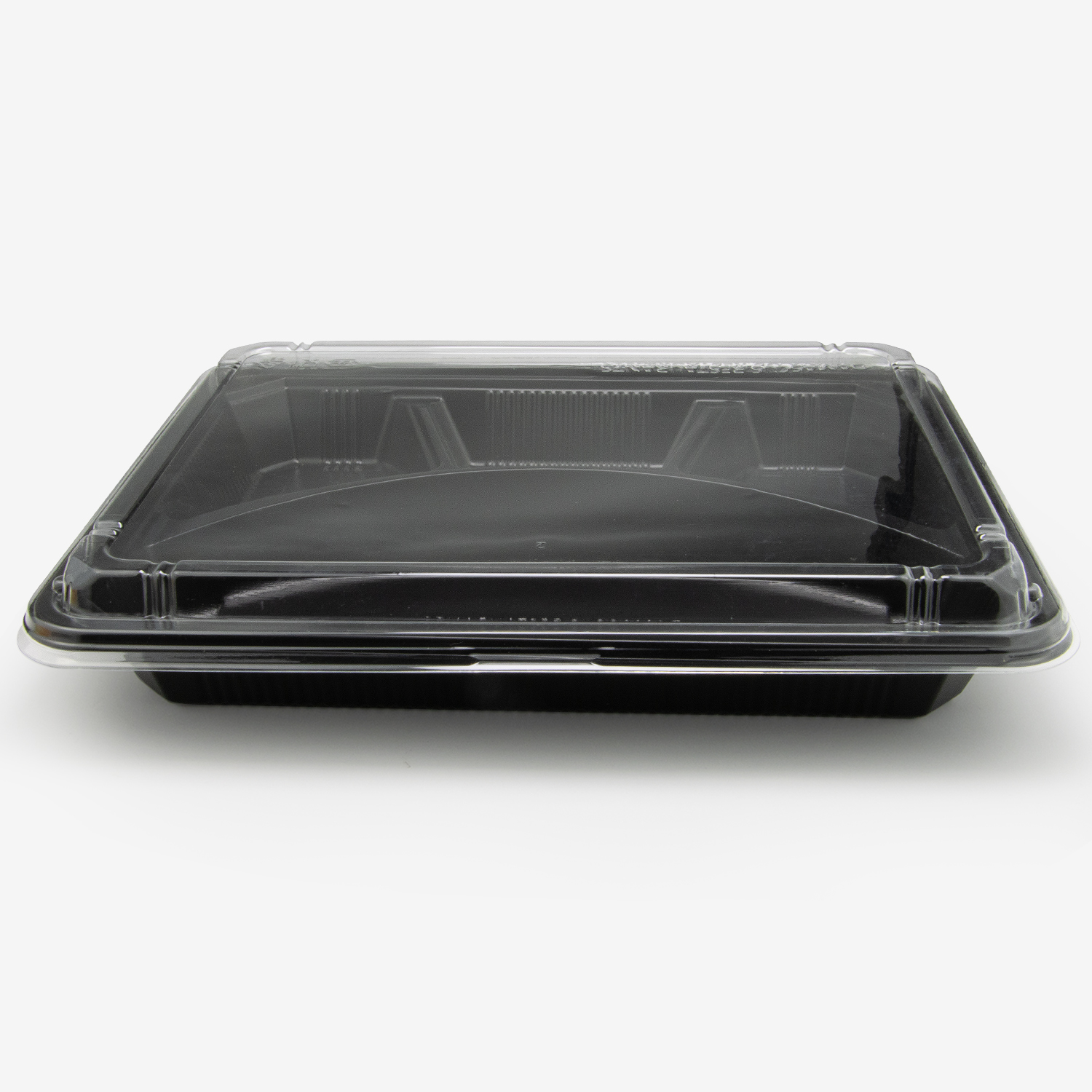
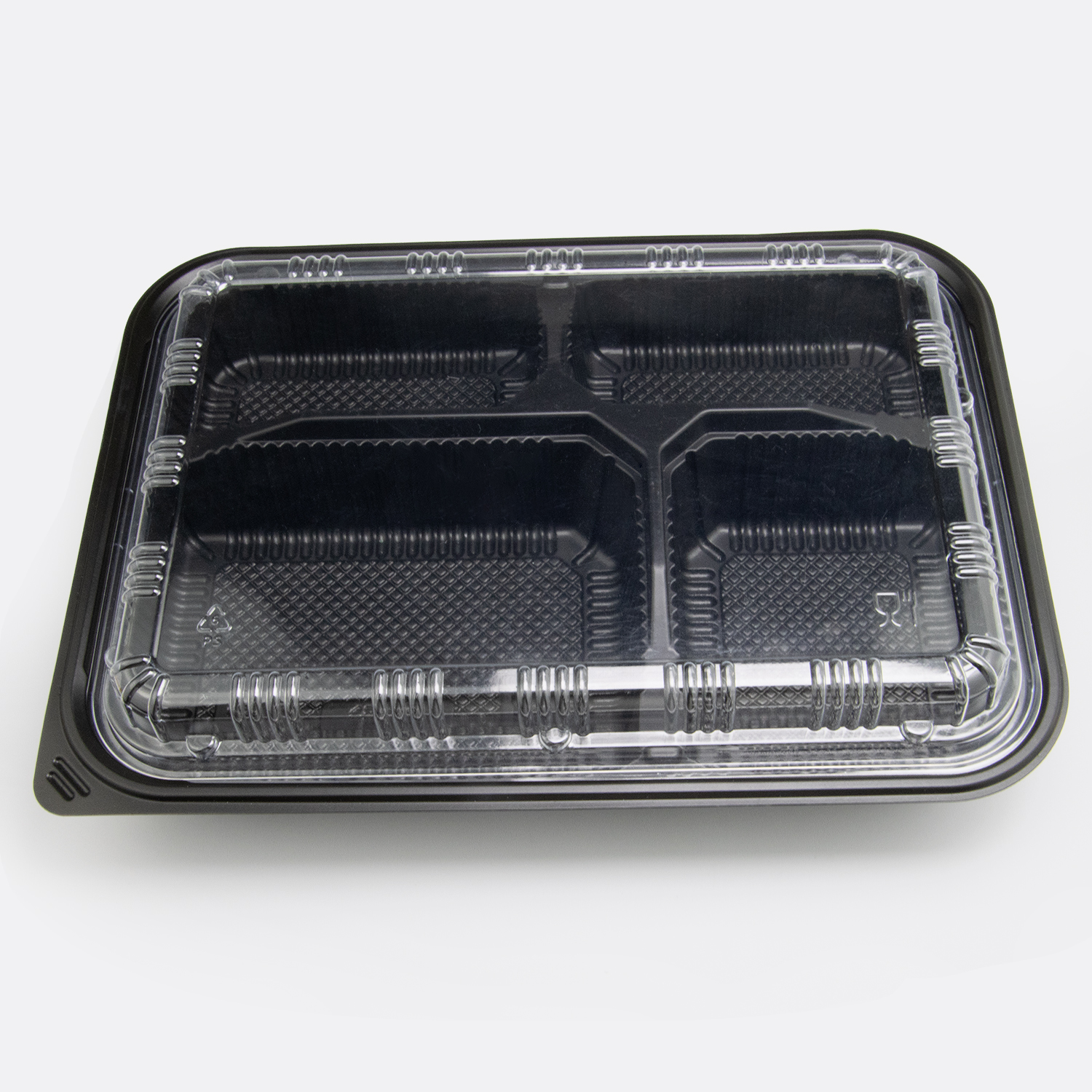
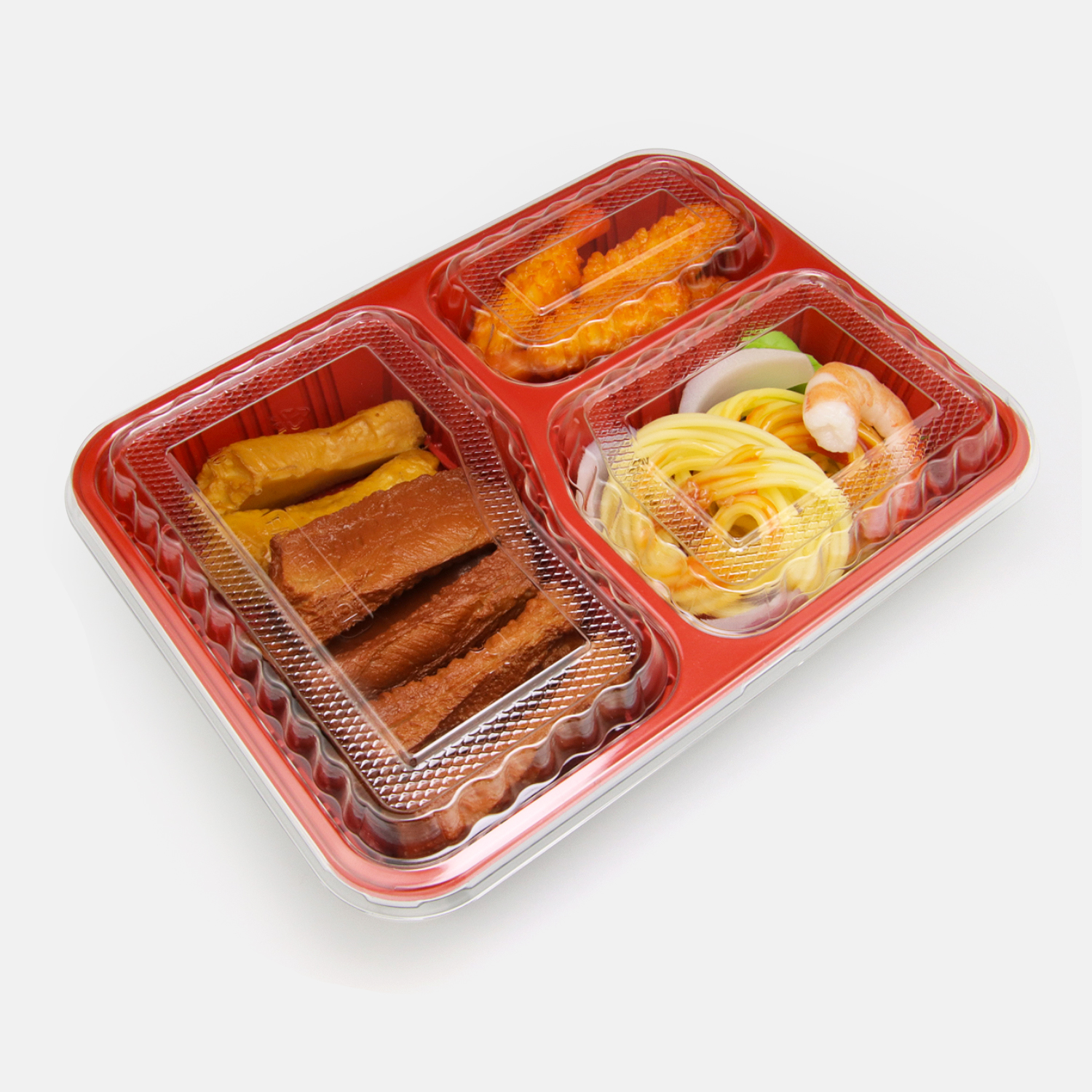
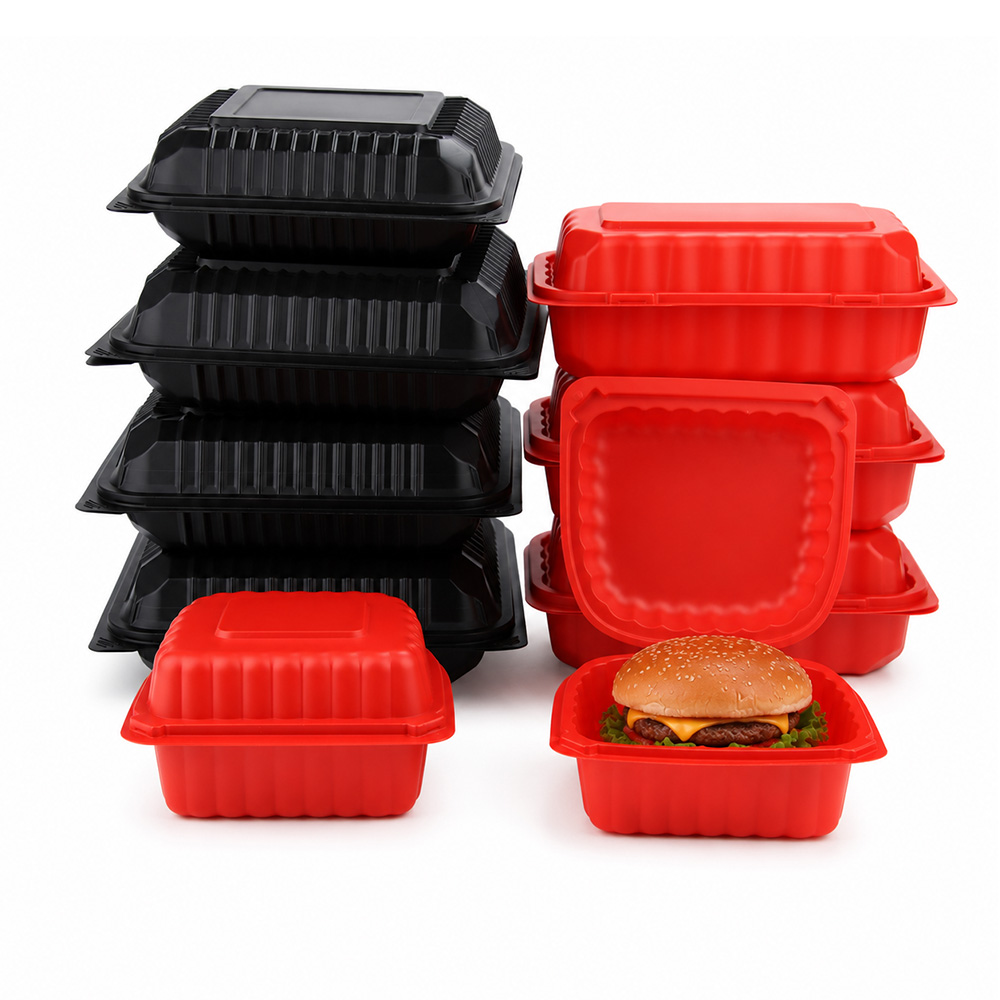
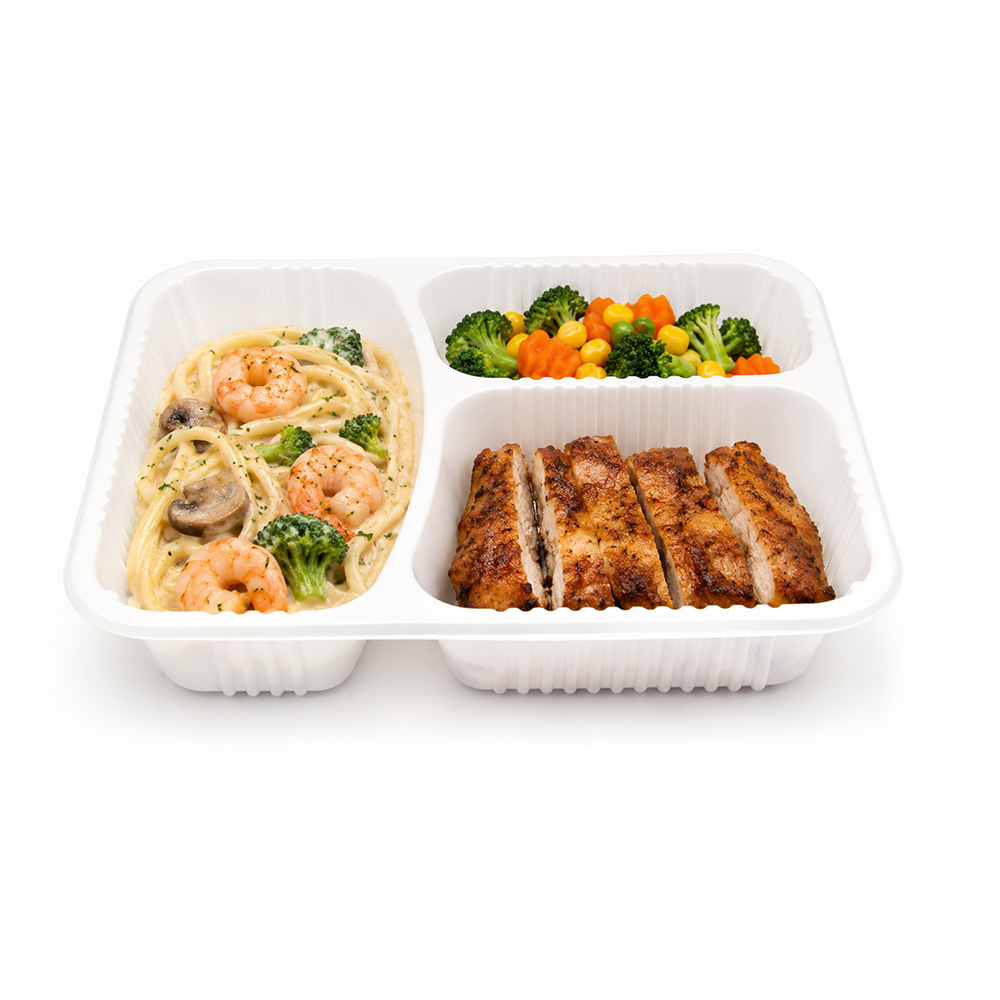
Food packaging containers are essential products designed to protect food items during storage and transportation while ensuring freshness and safety. As a B2B buyer, you may have concerns about quality, cost-effectiveness, and supplier reliability. This article will provide insights into sourcing environmentally friendly lunch containers, the specifications you need to consider, and the factors that influence purchasing decisions, helping you make informed choices for your business.
Our Products

Where to Source Reliable Food Packaging Suppliers for Your Business

Finding reliable food packaging suppliers is crucial to ensuring the quality and safety of your products. Start by evaluating suppliers with a proven track record in the food packaging industry. Consider manufacturers such as XM XIEFA, known for their innovative solutions and strong quality control processes. 

Networking at industry trade shows can also connect you with potential suppliers and provide firsthand knowledge of their capabilities. Online platforms that specialize in B2B connections, such as Alibaba or ThomasNet, can also serve as a valuable resource. Always check for customer reviews and testimonials to gauge supplier reliability and responsiveness.  

Furthermore, ensure the supplier meets relevant industry standards and certifications, which can be a key indicator of their commitment to quality and safety. This is especially important in the food sector, where compliance with health regulations is mandatory.

Get a Free Quote

Our representative will contact you soon.
Email
Name
Company Name
Message
0/1000

Related product categories

Cost-Effective Food Packaging Solutions Explained

When evaluating cost-effective XM XIEFA food packaging solutions, it is essential to consider both upfront costs and long-term value. Lower-priced containers may initially seem appealing, but they may not offer the durability or performance necessary for your specific applications.   

For instance, materials like polyethylene or polypropylene are common choices for Plastic food takeout containers due to their balance of cost and functionality. However, for products requiring higher barrier protection against moisture or oxygen, investing in advanced materials like multi-layer films may be more beneficial in the long run.  

Additionally, consider the total cost of ownership, which includes factors like transportation, storage efficiency, and potential waste reduction. A supplier that offers customization options can also help optimize packaging for your specific needs, ultimately leading to greater efficiency and cost savings.

Key Specifications for Food Packaging Containers You Should Know

When selecting food packaging containers, several key specifications should be taken into account: 

Material: The choice of material affects the container's barrier properties, durability, and compatibility with different food types. For example, clear polycarbonate containers are ideal for visibility but may not provide sufficient barrier protection for sensitive products. 

Dimensions: Proper sizing is critical for maximizing storage efficiency and ensuring that containers fit within existing transport and display systems. Always confirm dimensions against your operational requirements. 

Sealing and Closure: The sealing method impacts product freshness and safety. Heat sealing, for instance, is commonly used to create airtight packages, but different food items may require specific sealing techniques to prevent spoilage. 

Regulatory Compliance: Ensure that the packaging materials comply with food safety regulations, such as FDA or EU guidelines, depending on your market. 

Buyers should verify these specifications with potential suppliers and request samples for testing before finalizing any orders, ensuring the chosen containers meet all necessary performance criteria.

A Guide for Distributors and Buyers

For distributors and buyers, understanding the dynamics of XM XIEFA food packaging procurement is essential. Begin by identifying your specific application needs—whether for retail, food service, or industrial use. Each segment may require different packaging solutions based on volume, handling, and shelf life requirements. 

When preparing to request quotes (RFQs), provide detailed information such as:

Type of food products Required quantities Delivery timelines Customization needs (e. g., branding, sizes) Material preferences. 

This information helps suppliers assess their capabilities accurately and provide competitive pricing. Additionally, consider the supplier's lead times and production capacity to ensure they can meet your demands without compromising quality. 

Lastly, establish a quality assurance process that includes regular inspections and testing of incoming products to ensure compliance with your standards.

Understanding the Cost Factors of Food Packaging Containers for Projects

Several factors influence the cost of food packaging containers, and understanding them can help you manage your budget effectively. Key cost determinants include: 

Material Choice: High-performance materials typically command higher prices. Assess your packaging requirements to determine if premium materials are necessary. 

Order Volume: Many suppliers offer tiered pricing structures, where unit costs decrease with larger order quantities. Determine your minimum order quantities (MOQs) to optimize pricing. 

Customization and Design: Customized packaging solutions, while potentially more expensive, can enhance brand visibility and consumer appeal, leading to higher sales. 

Production Methods: The complexity of the manufacturing process can significantly affect costs. For instance, injection-molded containers may have higher initial setup costs but can lead to savings on large runs. 

Logistics and Shipping: Consider transportation costs when calculating the total price. Efficient packaging design can reduce shipping volumes, leading to lower freight costs. 

By understanding these factors, you can make more informed decisions during your purchasing process and negotiate better terms with suppliers. Always ask suppliers for a detailed breakdown of costs to avoid surprises later in the procurement process.  

By following these guidelines, you can enhance your understanding of Paper food takeout containers and make more strategic decisions that align with your business goals.