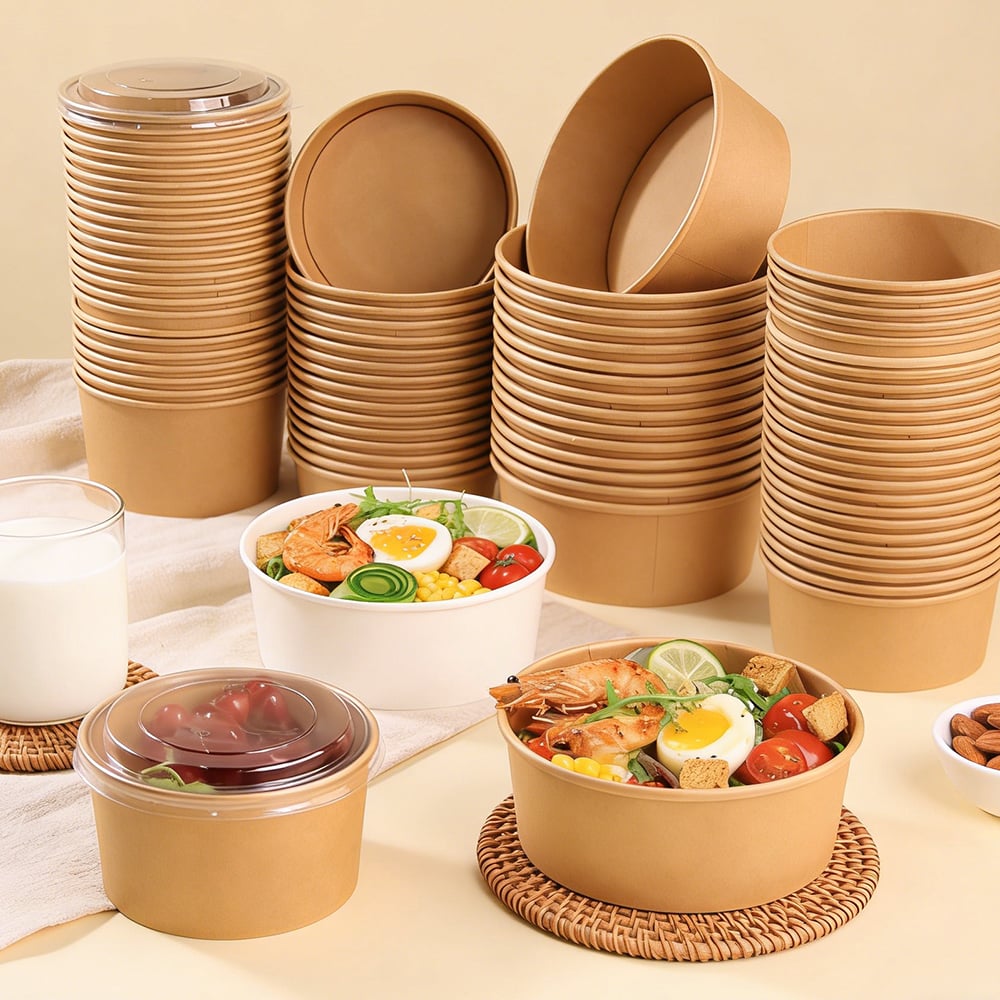
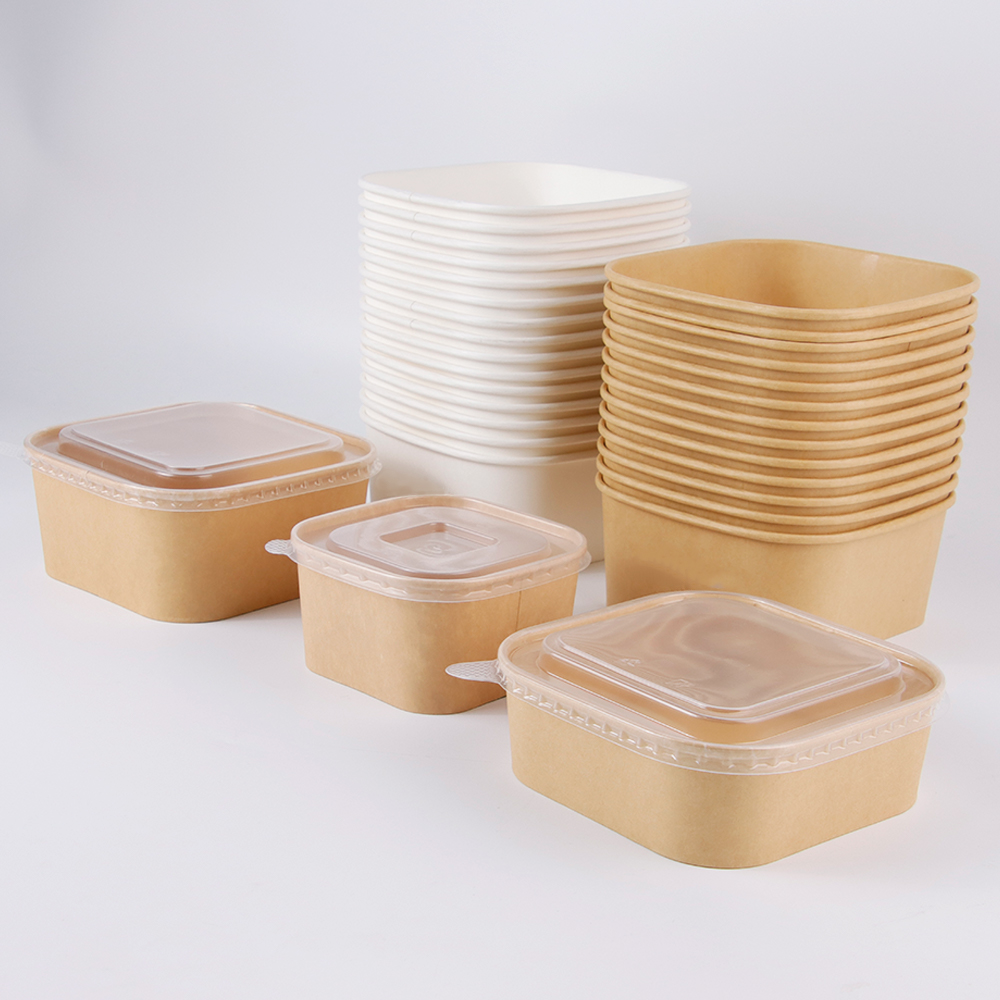
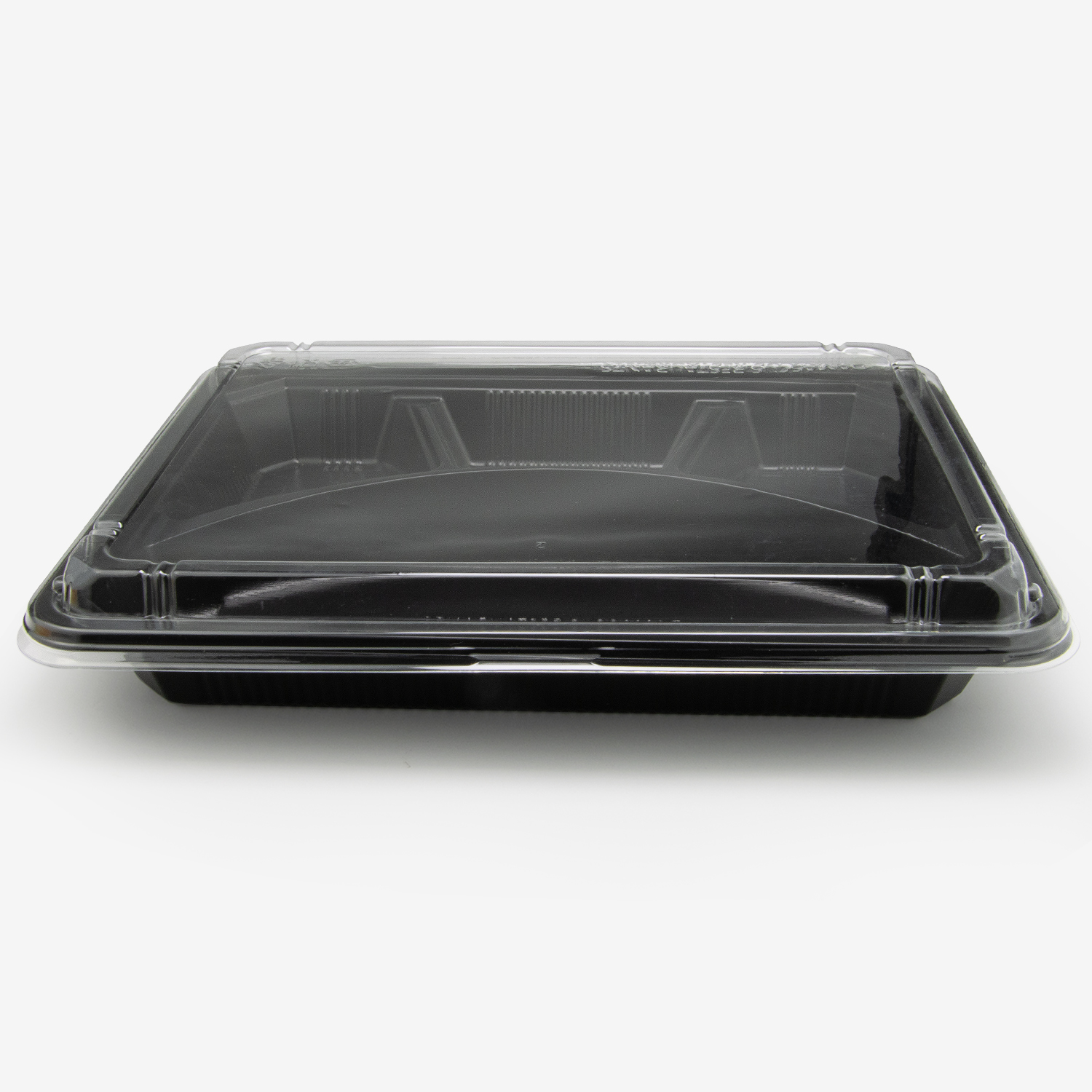
In the growing demand for sustainability, environmentally friendly lunch containers have emerged as an essential product for businesses in the food service and retail sectors. These Plastic food takeout containers not only meet eco-conscious consumer preferences but also address crucial buyer concerns such as durability, cost-effectiveness, and compliance with health regulations. This article will guide purchasing managers, distributors, and product managers on how to select the right environmentally friendly lunch containers for wholesale, comparing these options with traditional materials, and understanding the specifics of materials, quality control, and bulk ordering processes.
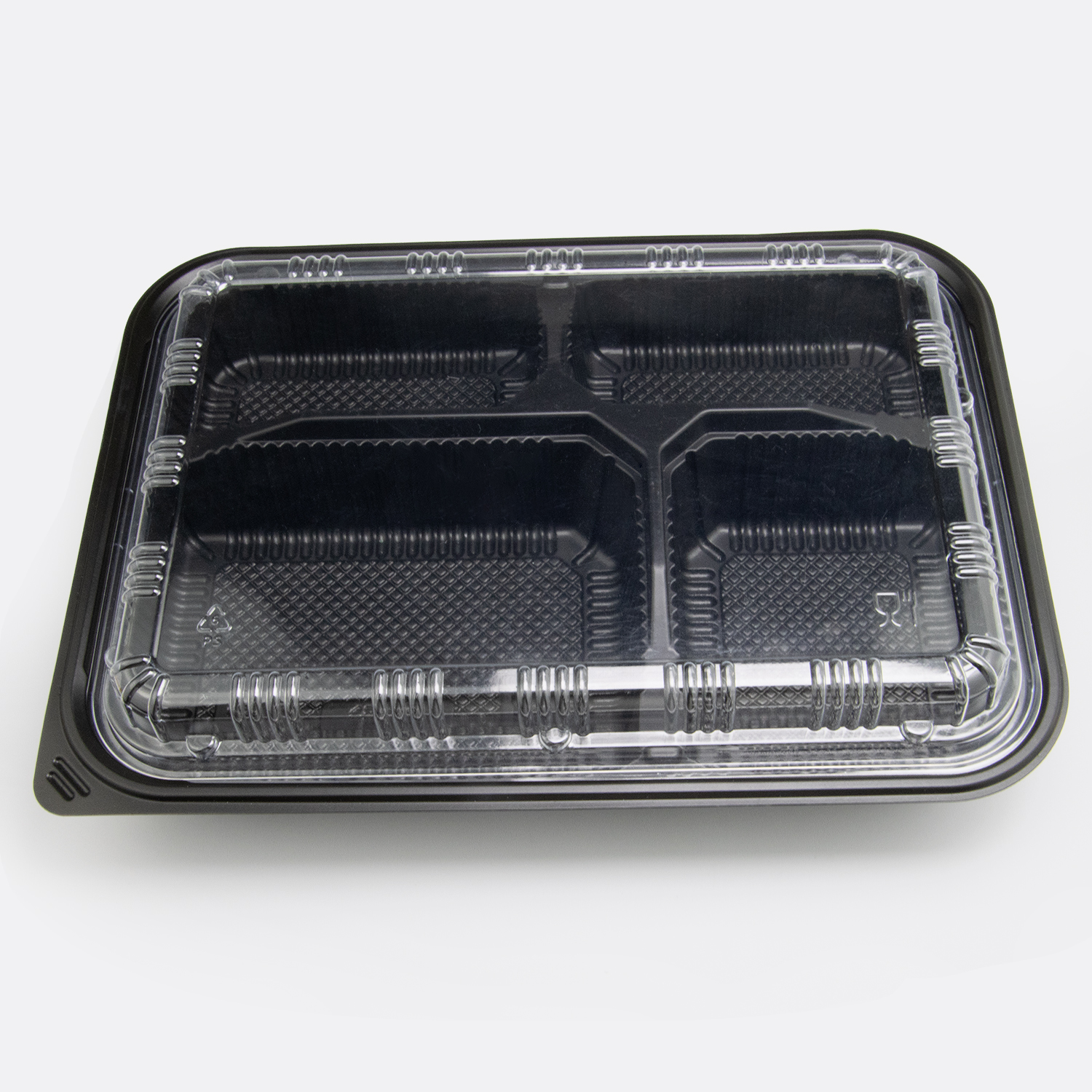
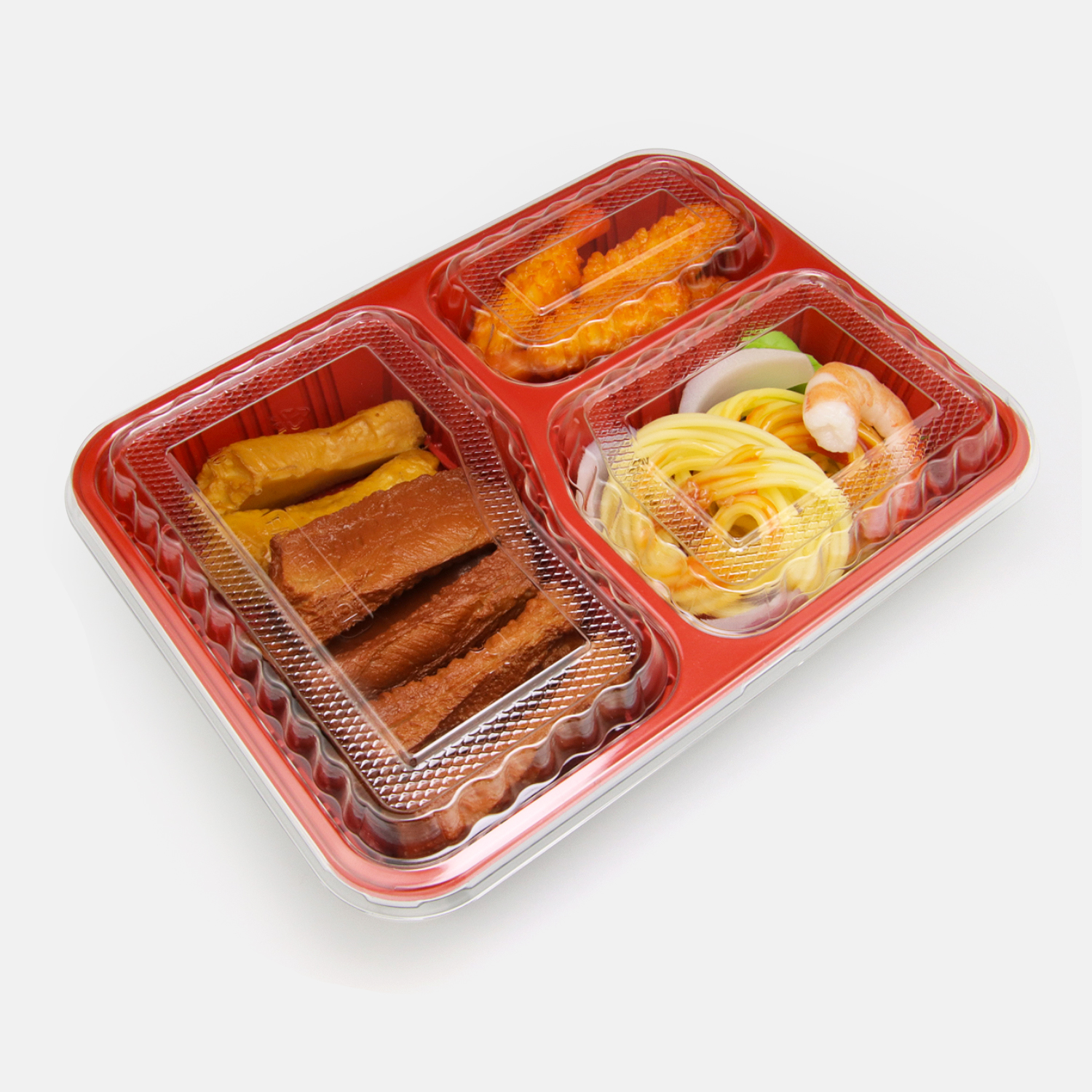
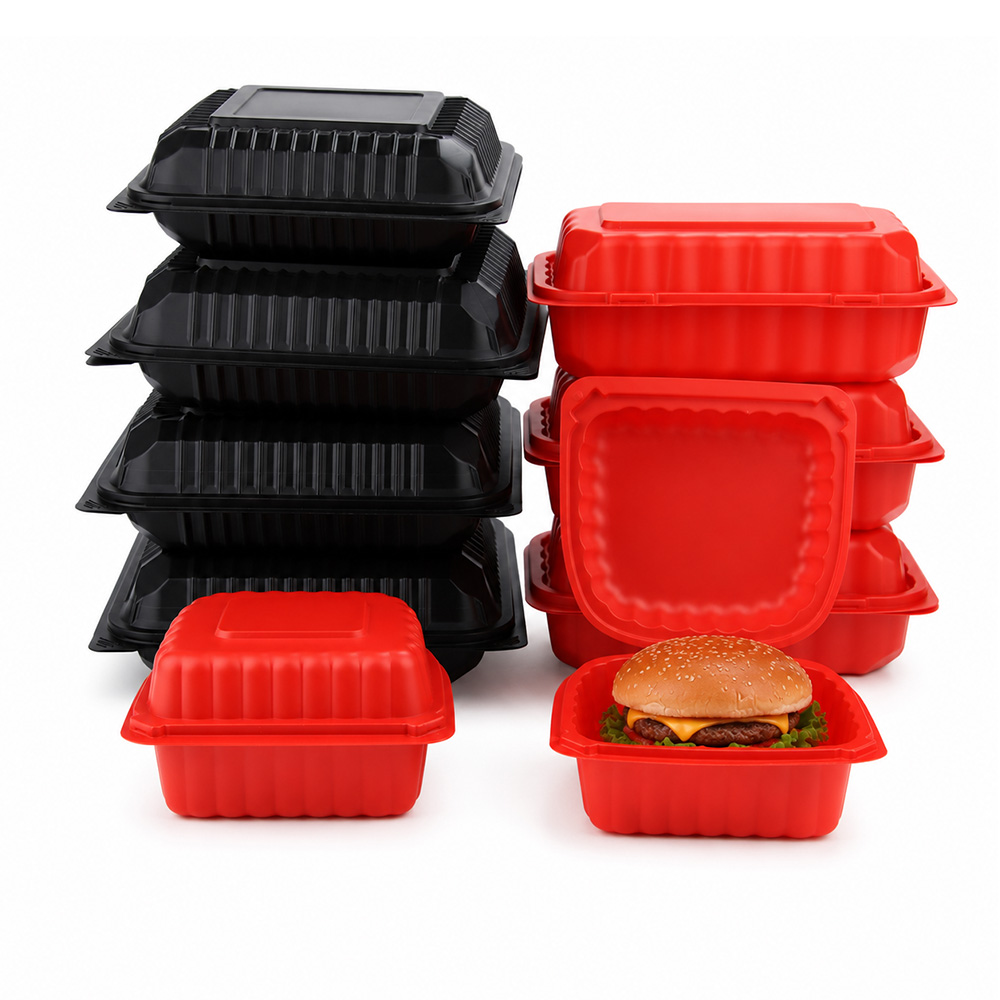
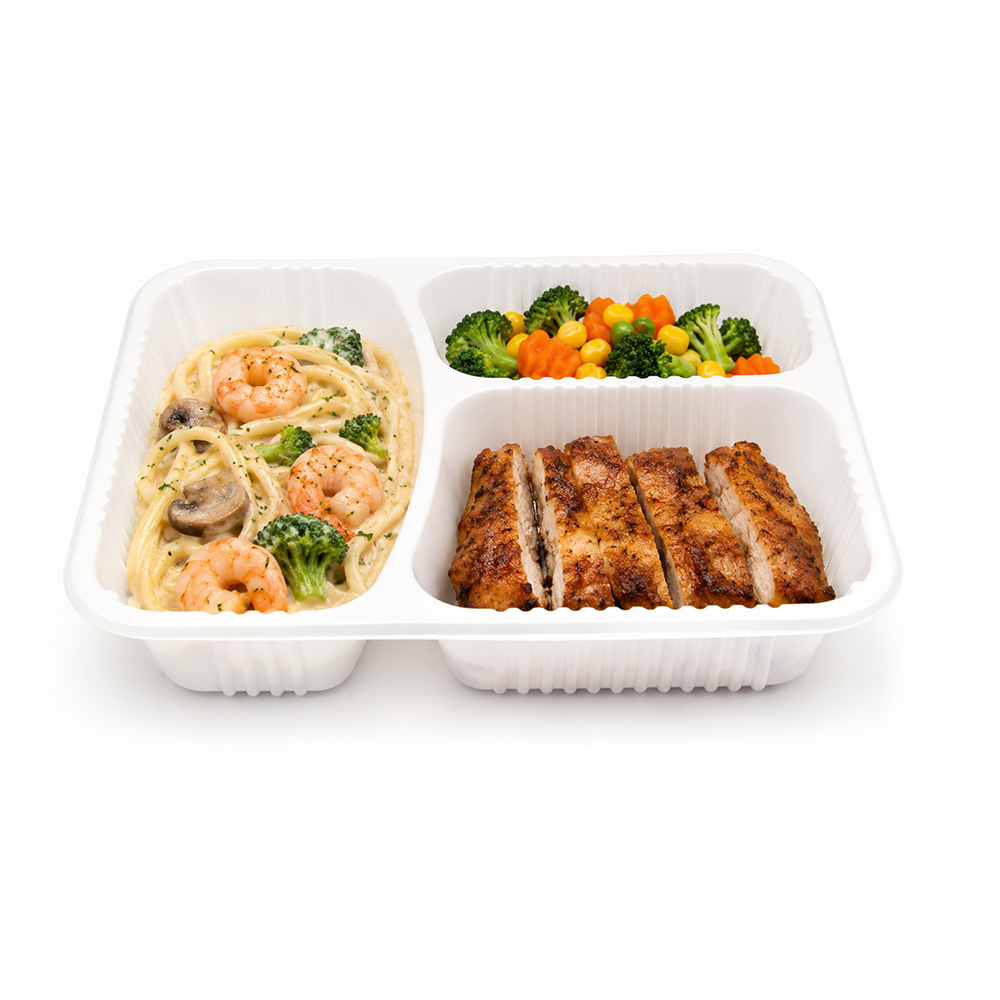
Eco-Friendly Lunch Containers vs. Traditional Options
Eco-friendly lunch containers offer distinct advantages over traditional options, which are often made from non-biodegradable plastics. One of the most significant differences is the environmental impact. Eco-friendly containers decompose over time, reducing waste in landfills and contributing to a more sustainable ecosystem.
From a performance perspective, many environmentally friendly materials are designed to match or exceed the durability of traditional containers. For instance, some biodegradable plastics can withstand a range of temperatures and are resistant to moisture, making them suitable for various food applications.
Cost is another consideration. While eco-friendly products can sometimes have a higher upfront cost, they often lead to savings in waste disposal and comply with increasing government regulations on single-use plastics. Over time, the total cost of ownership may favor environmentally friendly options, especially as consumer demand shifts towards sustainability.