Eco-friendly containers are increasingly becoming a vital choice for businesses seeking sustainable packaging solutions. These containers are designed to minimize environmental impact while still providing effective protection for products. B2B buyers, such as purchasing managers and product managers, often face concerns regarding material selection, compliance with environmental regulations, and overall functionality in various applications. This article will guide you through essential considerations when choosing environmentally friendly lunch containers, ensuring you make informed purchasing decisions that align with your sustainability goals.
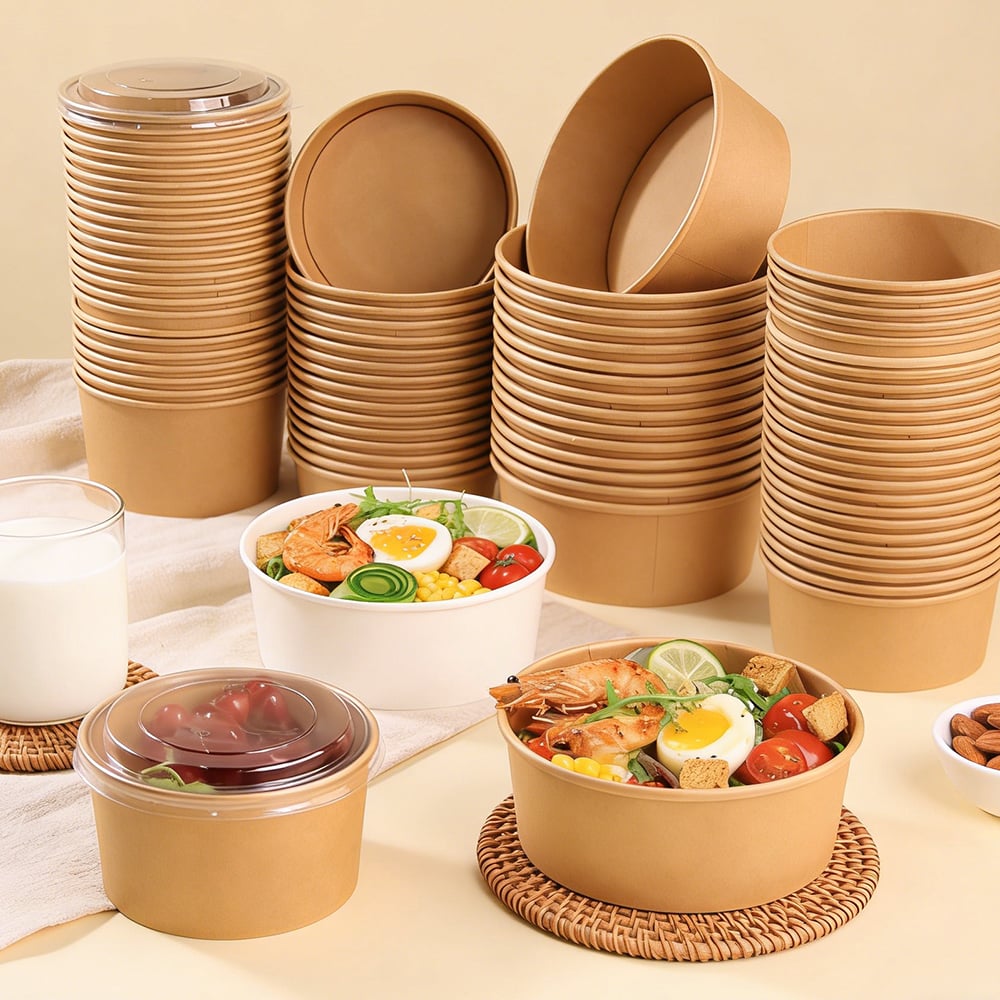
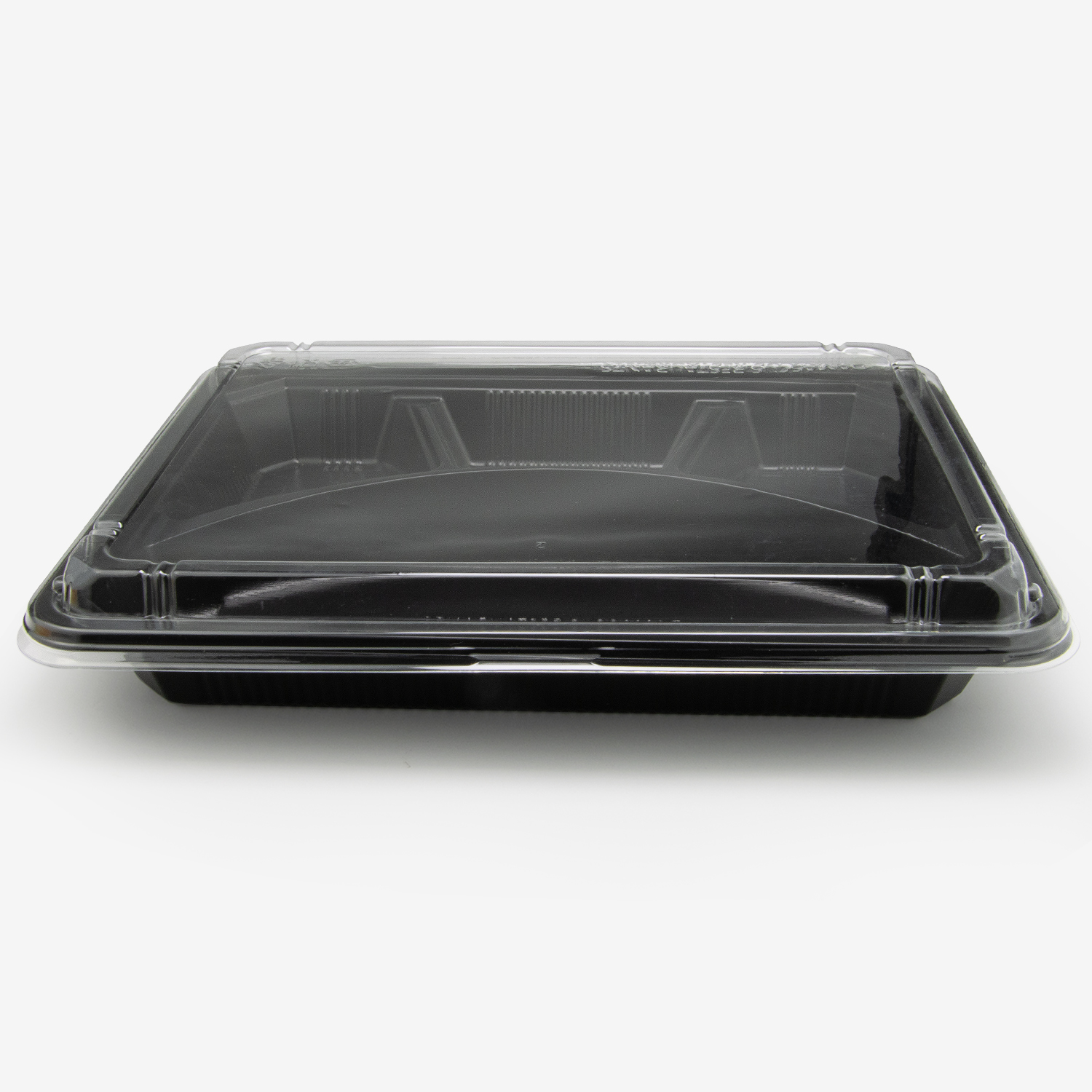
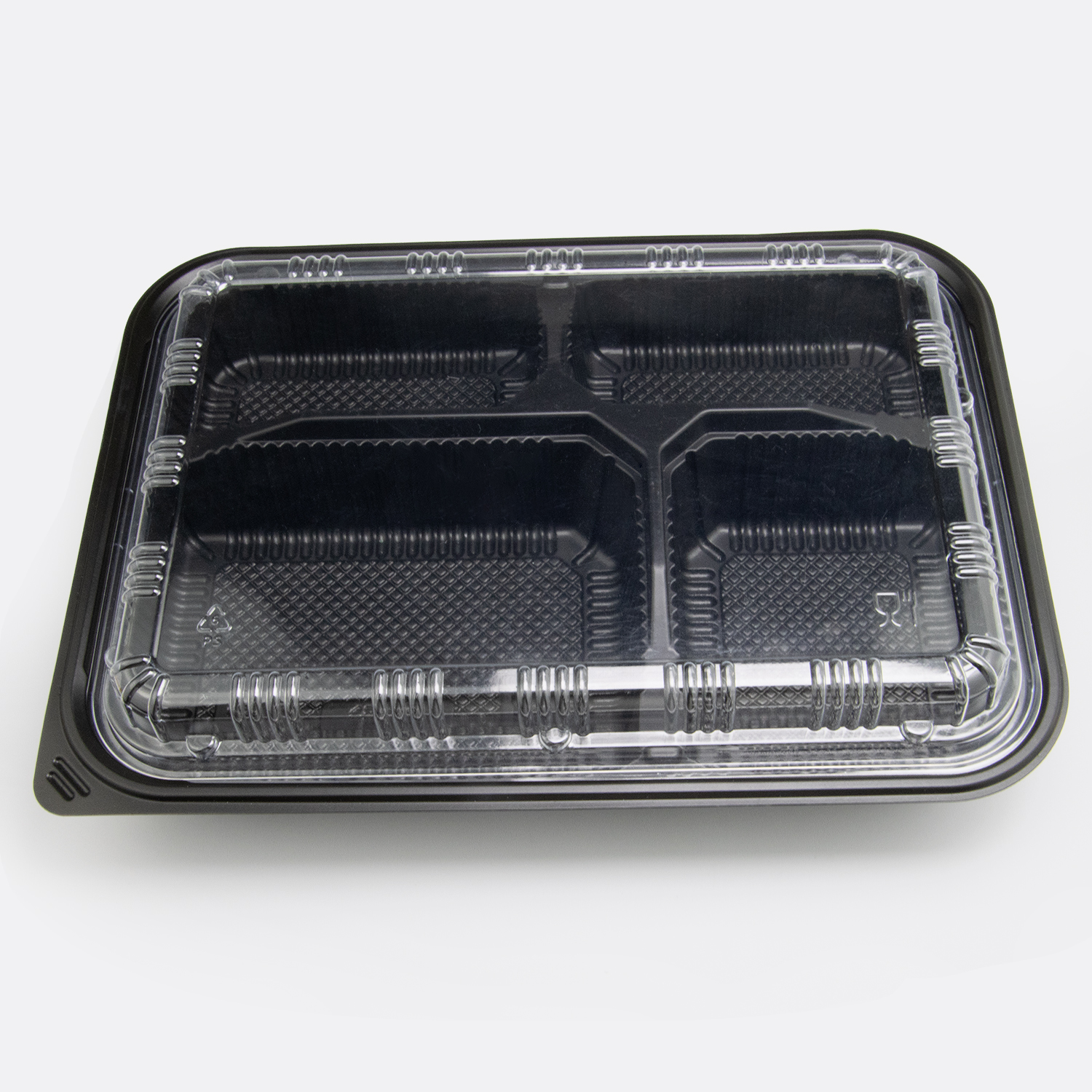
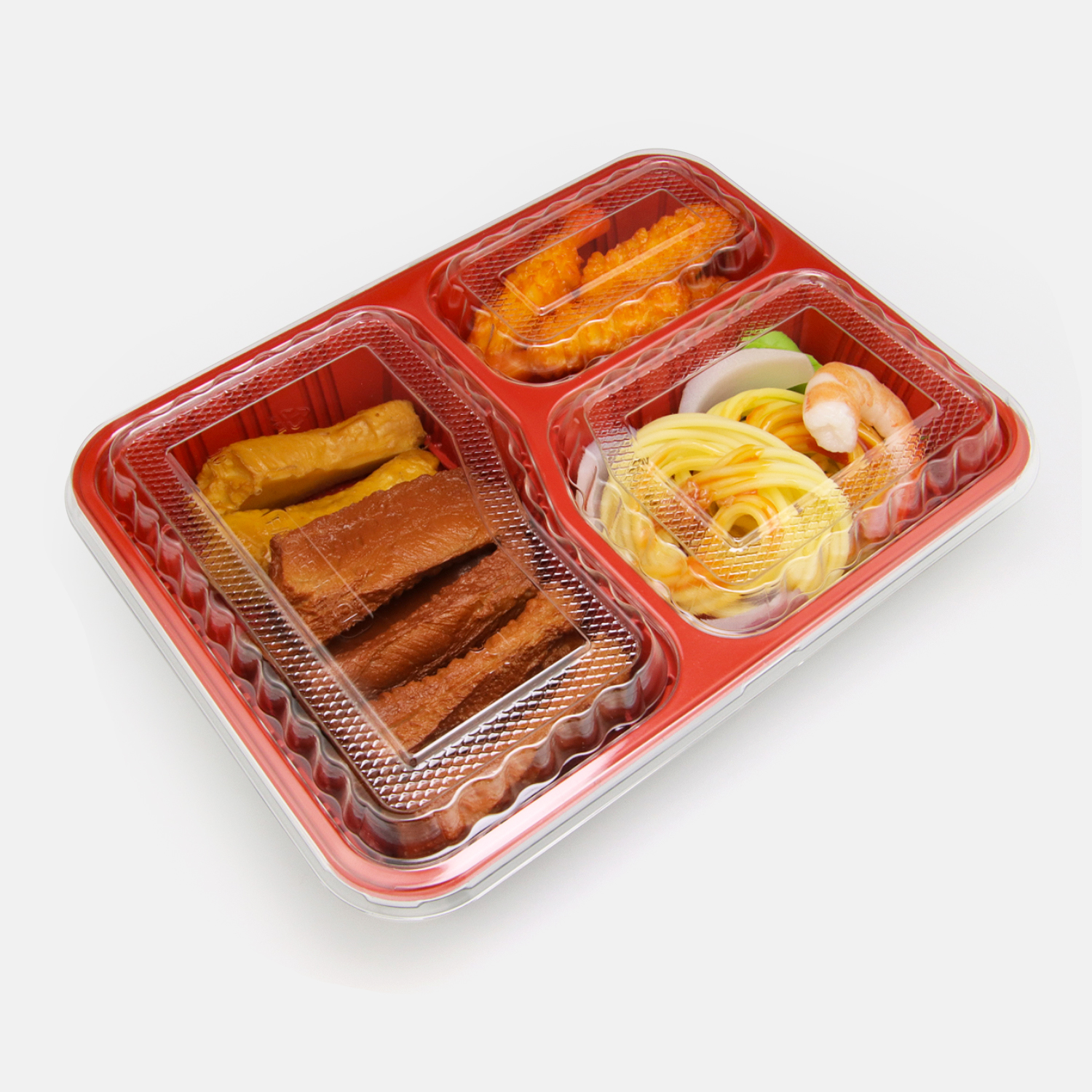
Key Specifications of Eco-Friendly Containers for Bulk Ordering
When ordering XM XIEFA eco-friendly containers in bulk, several key specifications must be evaluated. These include dimensions, weight capacity, sealing options, and material composition.
Dimensions: Ensure that the containers are available in sizes compatible with your products. Proper fit is crucial to minimize waste and optimize shipping costs.
Weight Capacity: Confirm the load-bearing capabilities of the food packaging containers, especially if they will hold heavy items. This is vital to prevent damage during transport and ensure product safety.
Sealing Options: Investigate different sealing methods, such as heat sealing or adhesive closures, to determine which will best suit your application. A secure seal is essential for food safety and preventing contamination.
Material Composition: Assess the specific eco-friendly materials used. For instance, containers made from post-consumer recycled materials not only support sustainability but also cater to a growing consumer preference for recycled products.
By understanding these specifications, you can ensure that the eco-friendly containers you choose will perform effectively in their intended application.