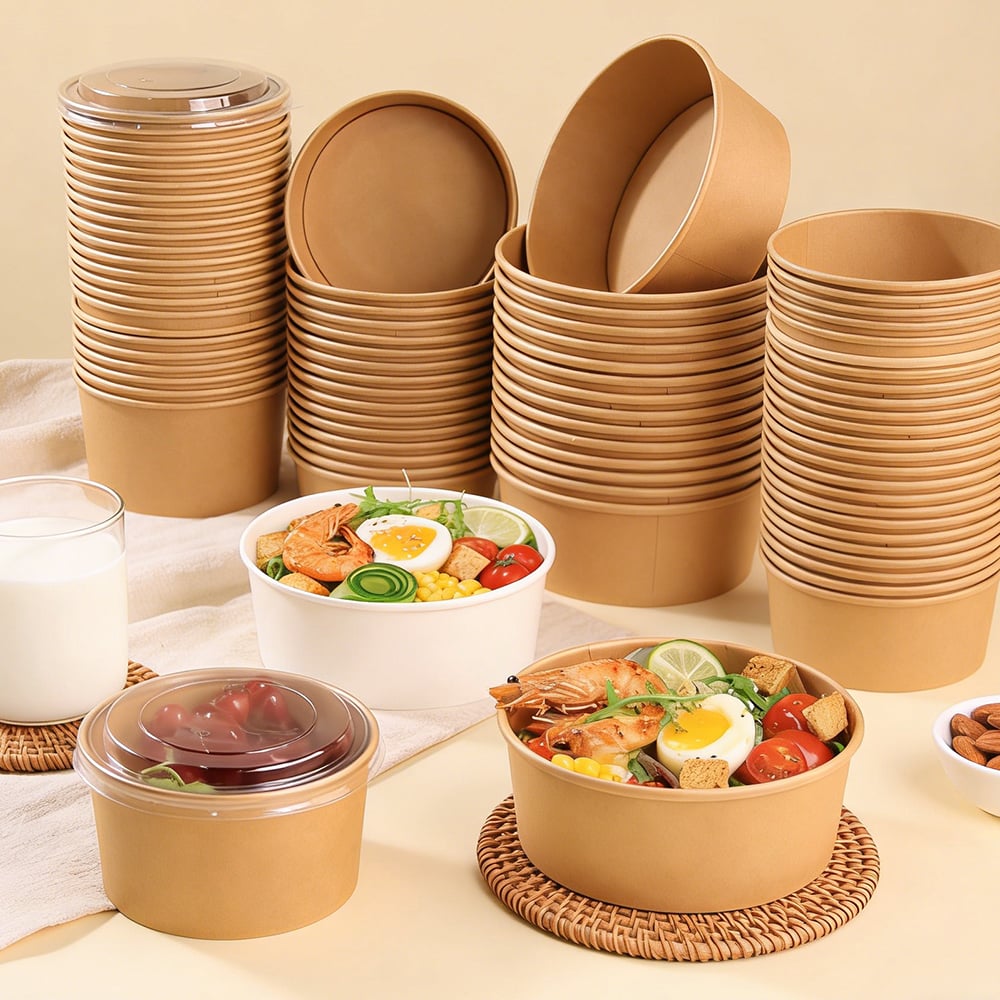
Biodegradable food containers are innovative packaging solutions designed for food service, retail, and hospitality applications. As sustainability becomes a key concern for businesses and consumers alike, these environmentally friendly lunch containers offer an eco-friendly alternative to traditional plastic packaging. For purchasing managers, distributors, and product managers, understanding the various options available, their specifications, and cost considerations is crucial for making informed decisions. This article will guide you through selecting the right biodegradable food containers for your business needs, ensuring that you maximize both functionality and sustainability.
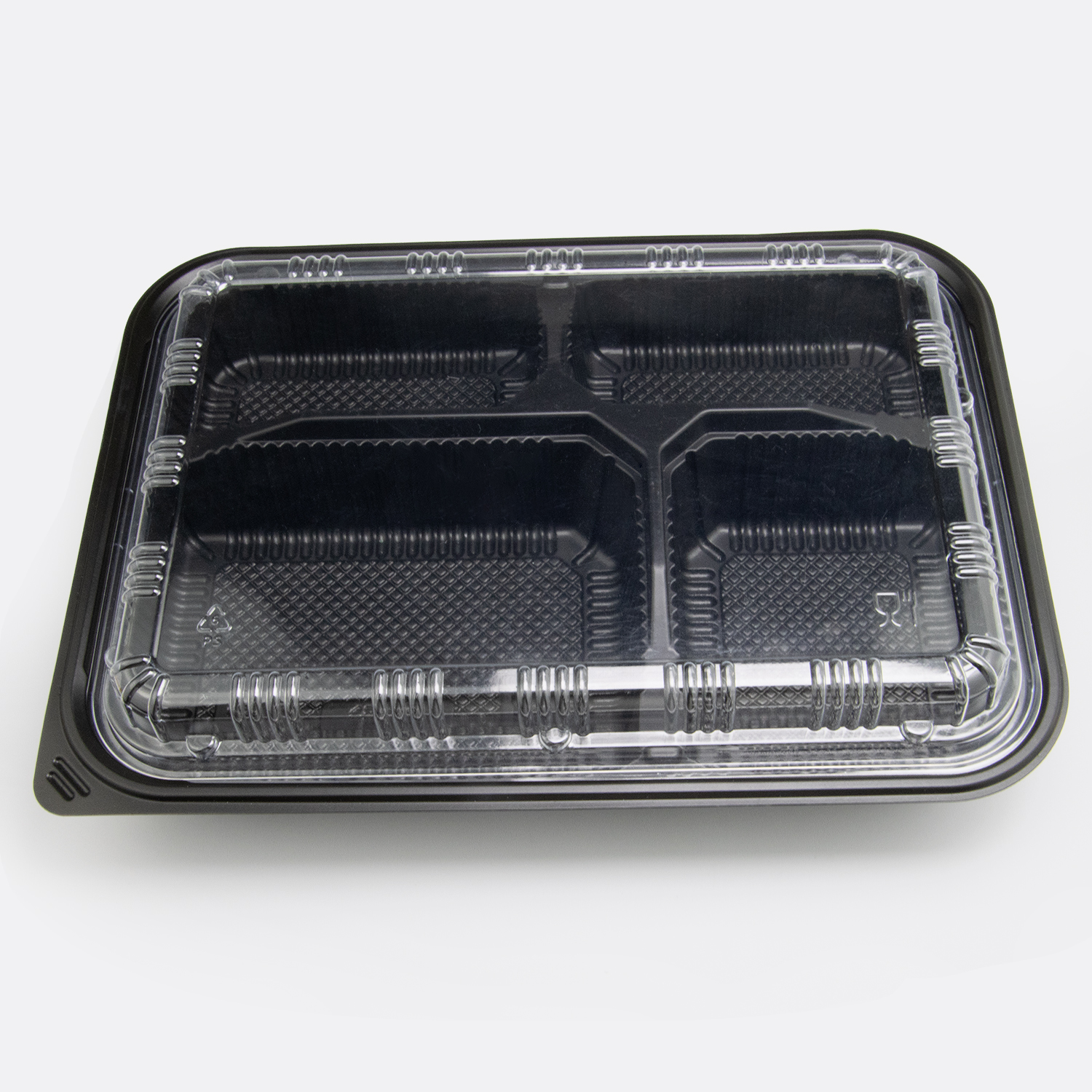
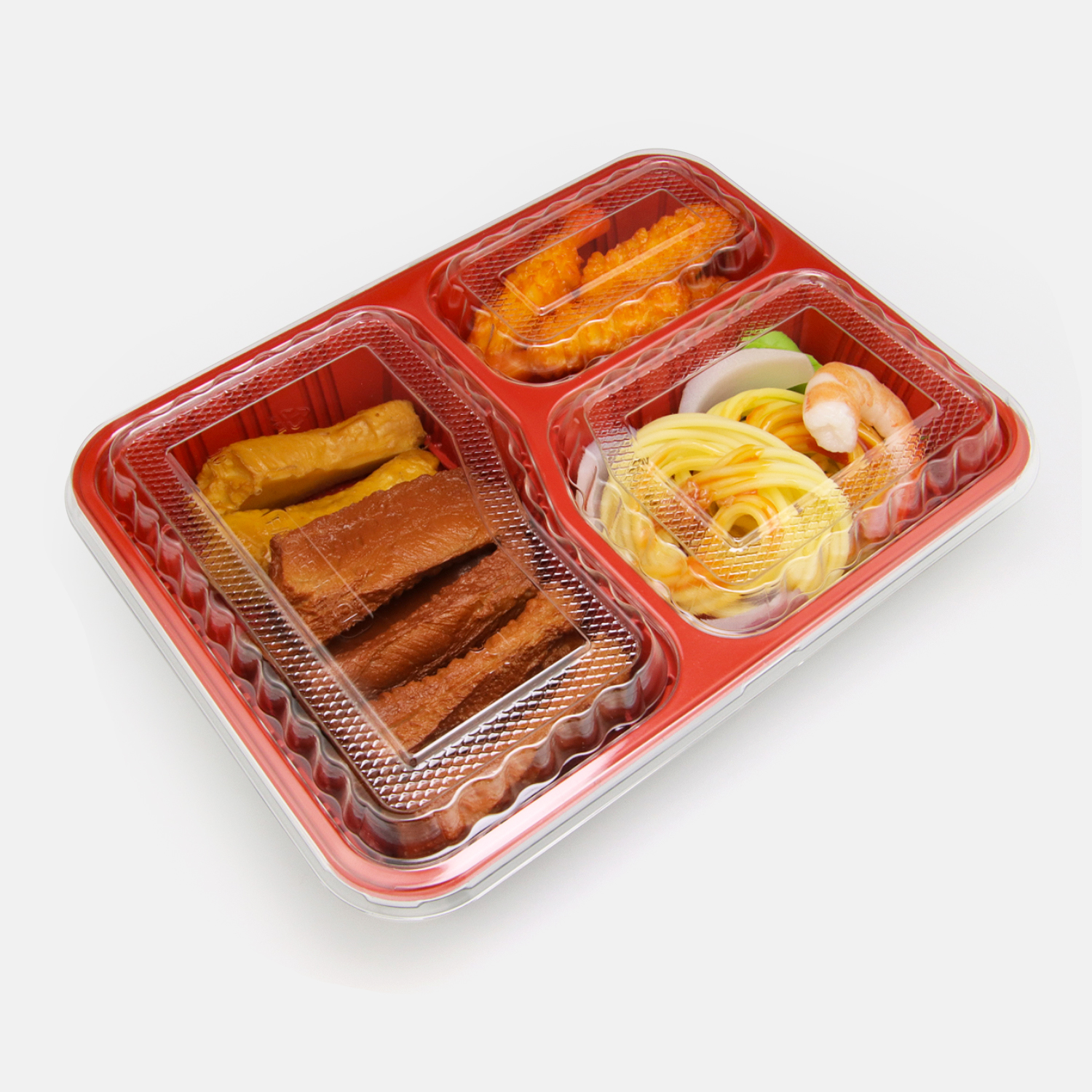
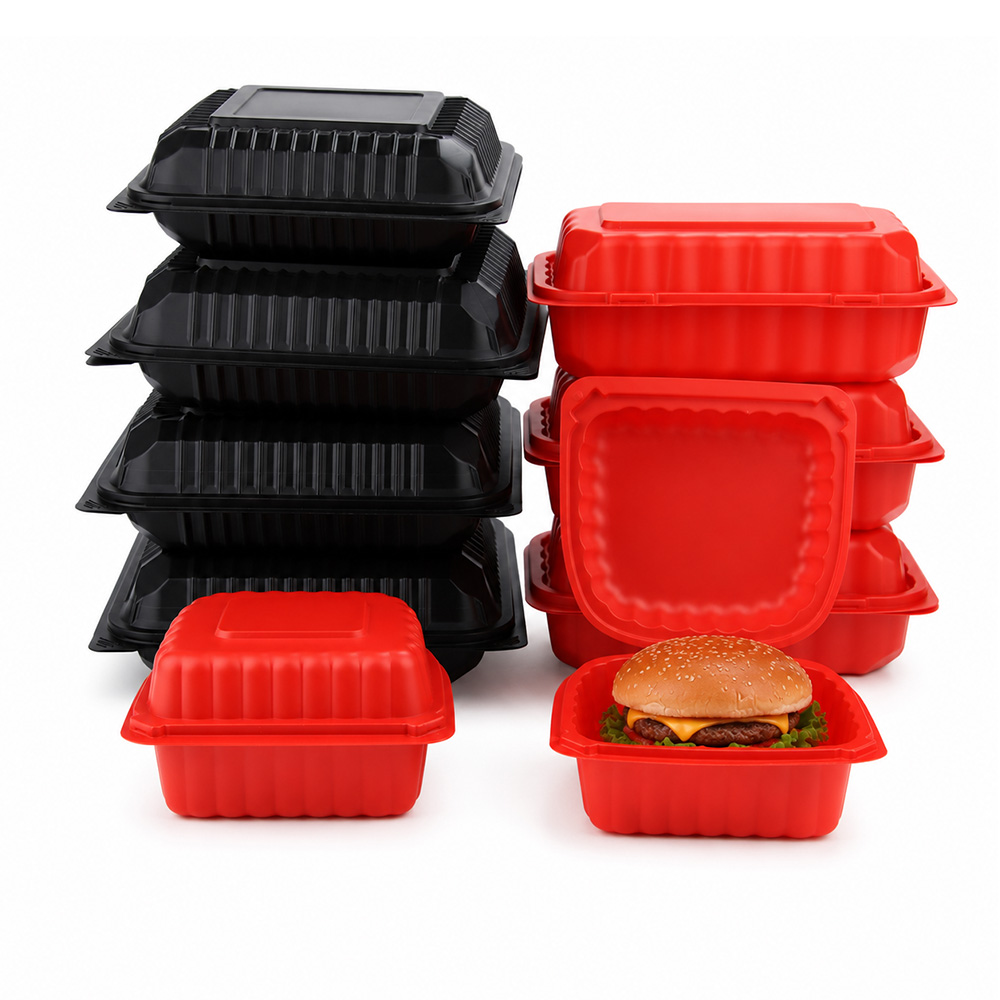
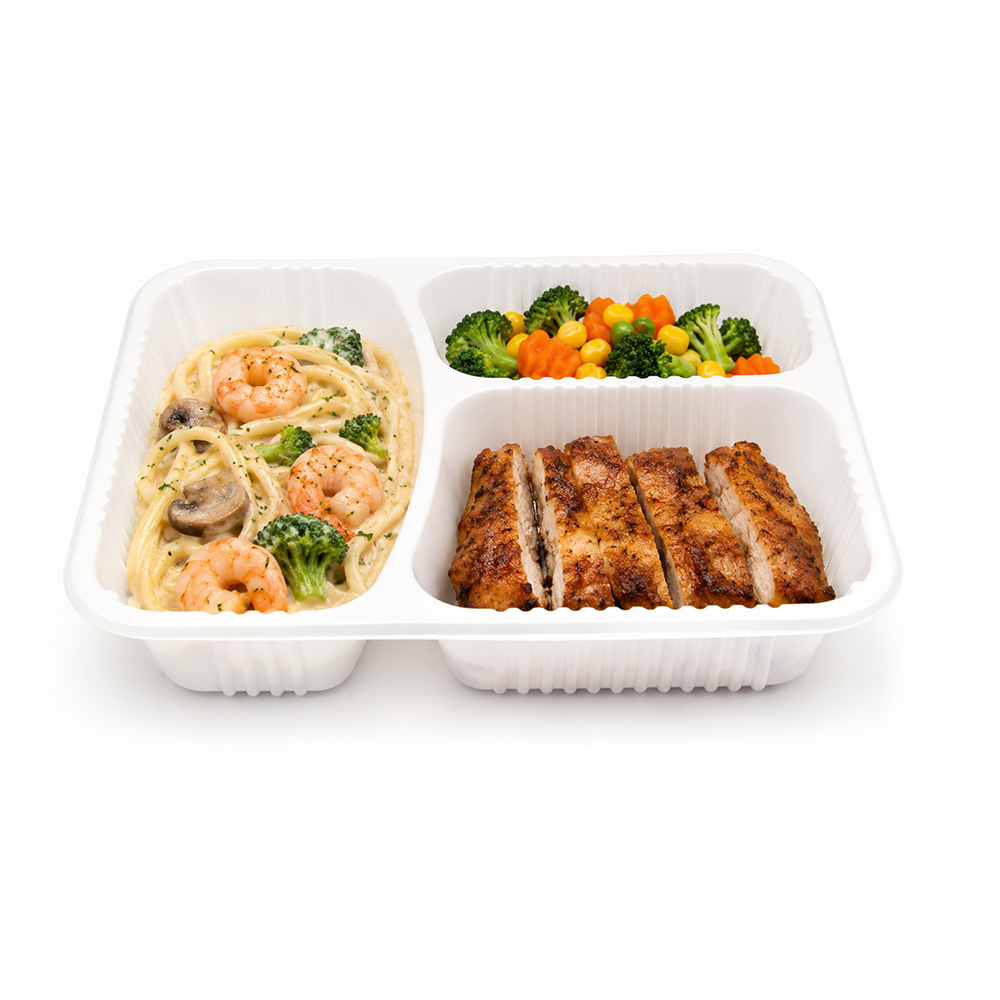
Key Specifications for High-Quality Biodegradable Food Containers
When evaluating biodegradable food containers, several specifications play a crucial role in their performance and suitability. Key specifications include:
Material Composition: Common materials used include PLA (polylactic acid), bagasse, and recycled paper. Each material has different properties, such as resistance to moisture or heat, which can affect product performance.
Thickness: A thicker container may provide better structural integrity, particularly for heavier items. However, thicker materials can also impact biodegradability rates.
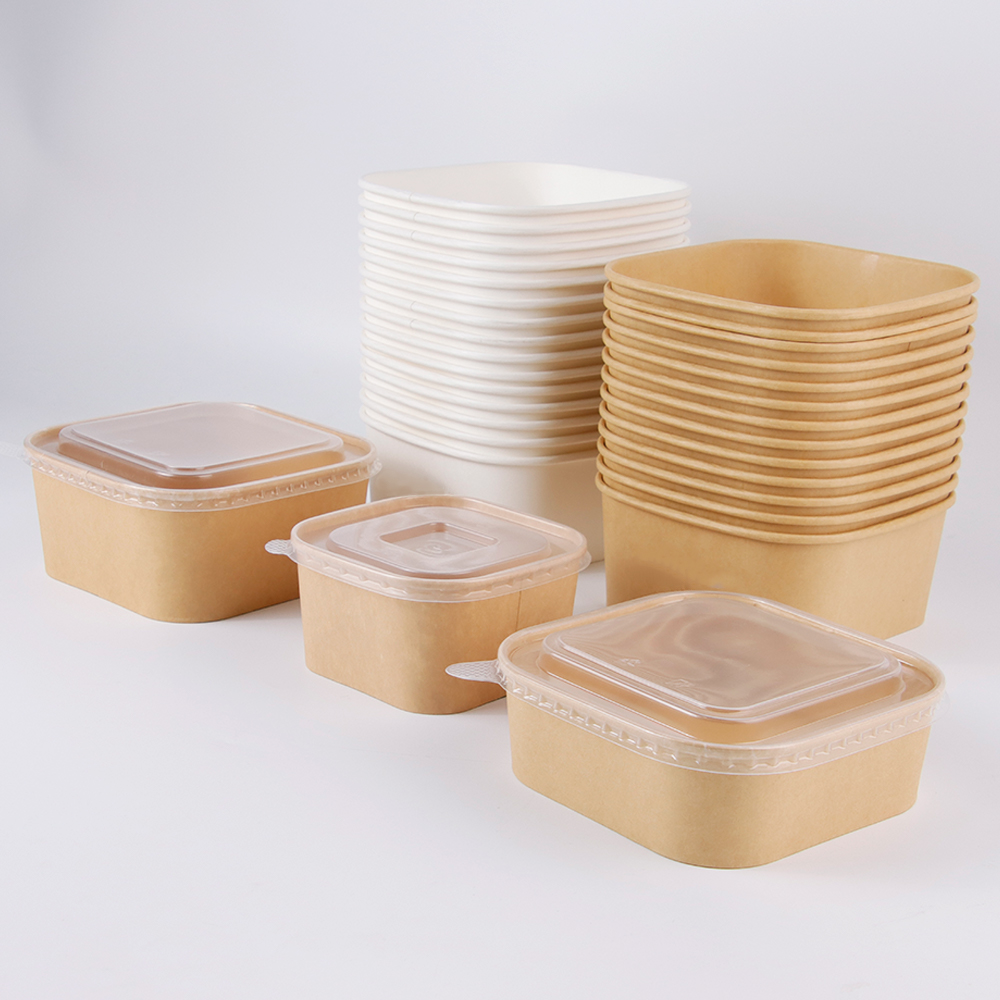
Sealing Options: Ensure that the sealing methods used are compatible with the food items and maintain freshness. This can include heat sealing or using lids designed for specific container shapes.
Dimensions: Correct sizing is essential to prevent spillage and maintain presentation. Additionally, the dimensions should match your portion sizes to optimize costs and reduce waste.
Buyers should verify these specifications early in the procurement process, as they directly impact functionality and end-user satisfaction.