Choosing Biodegradable Containers for Your Business

Contact Sales

Talk To Our Expert

Talk To Our Expert

Name
Email
Mobile
Message
0/1000

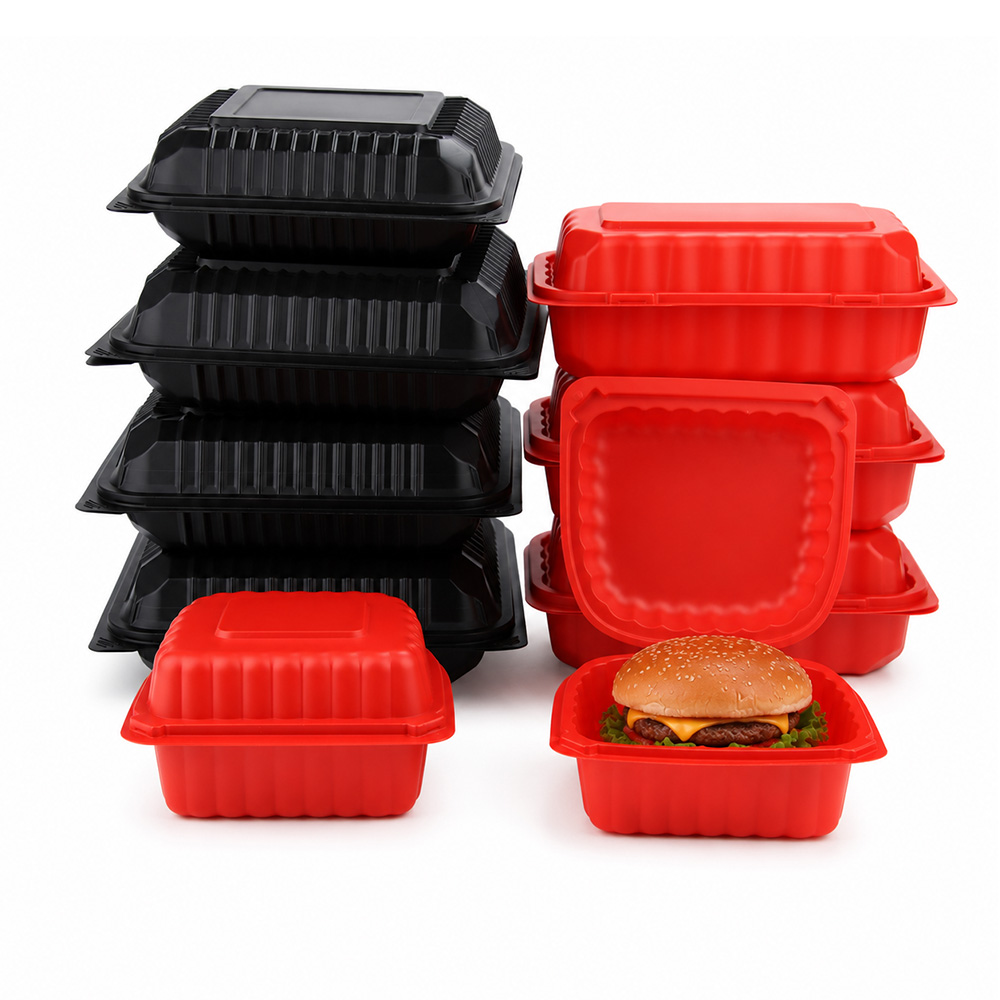
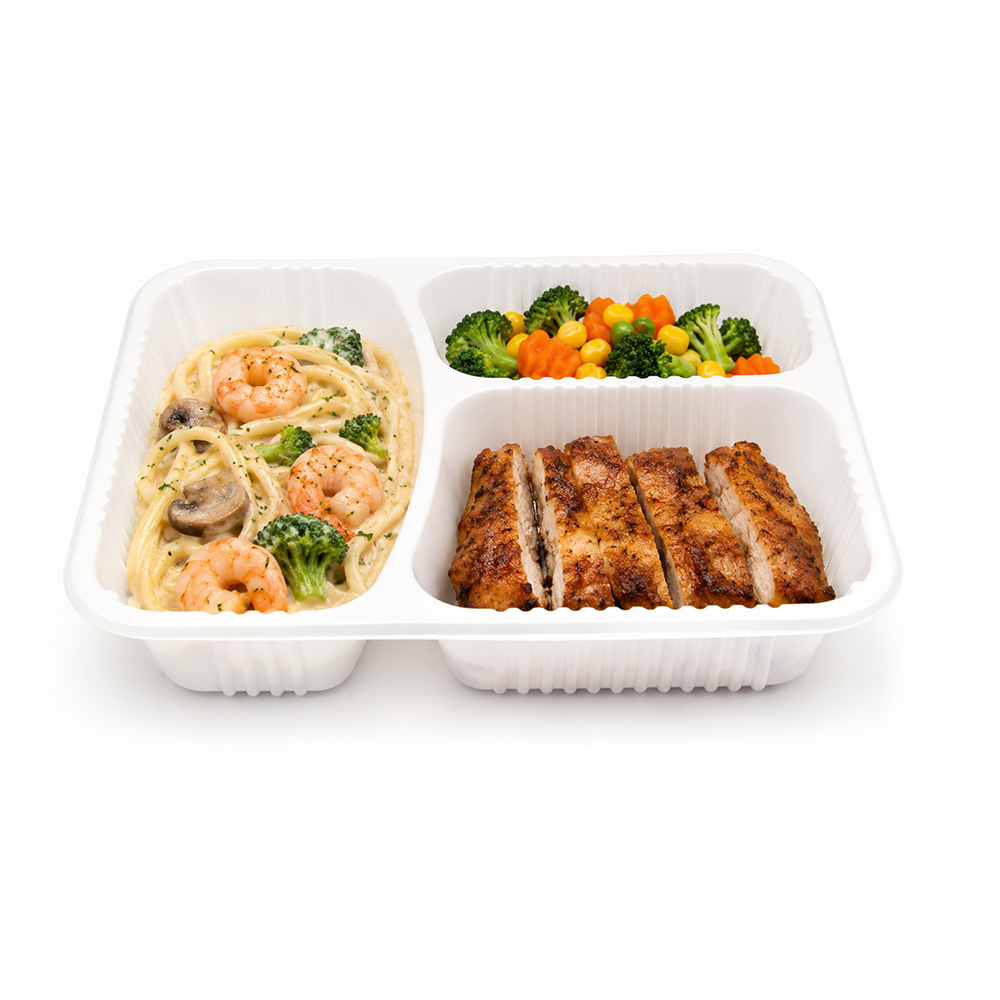
Biodegradable containers

Biodegradable containers are an eco-friendly alternative to traditional packaging options, designed to break down naturally over time. As businesses increasingly prioritize sustainability, understanding the various aspects of biodegradable containers becomes critical for B2B buyers, including purchasing managers and product managers. This article will address key considerations for selecting environmentally friendly lunch containers, including specifications, quality assessments, cost factors, and installation guidance, ensuring that you make informed purchasing decisions that align with both your operational needs and sustainability goals.
Our Products

What to Consider When Choosing Biodegradable Containers for Your Needs

Selecting the right biodegradable container involves evaluating several factors tailored to your specific application. First, consider the material; biodegradable containers can be made from various substances, including plant-based plastics, compostable materials, or innovative fibers. Each material has distinct properties affecting its performance, such as moisture resistance, durability, and degradation rates. 

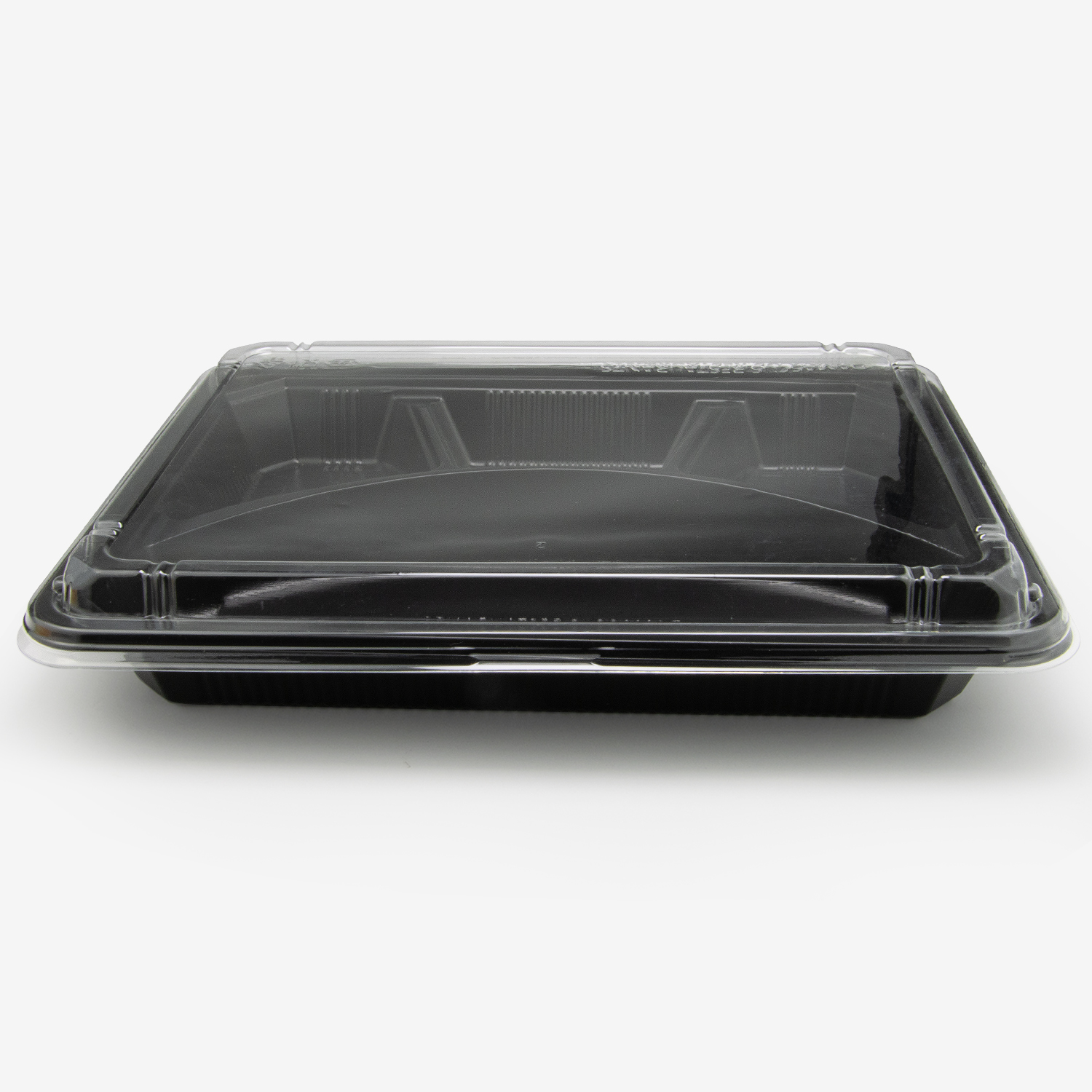
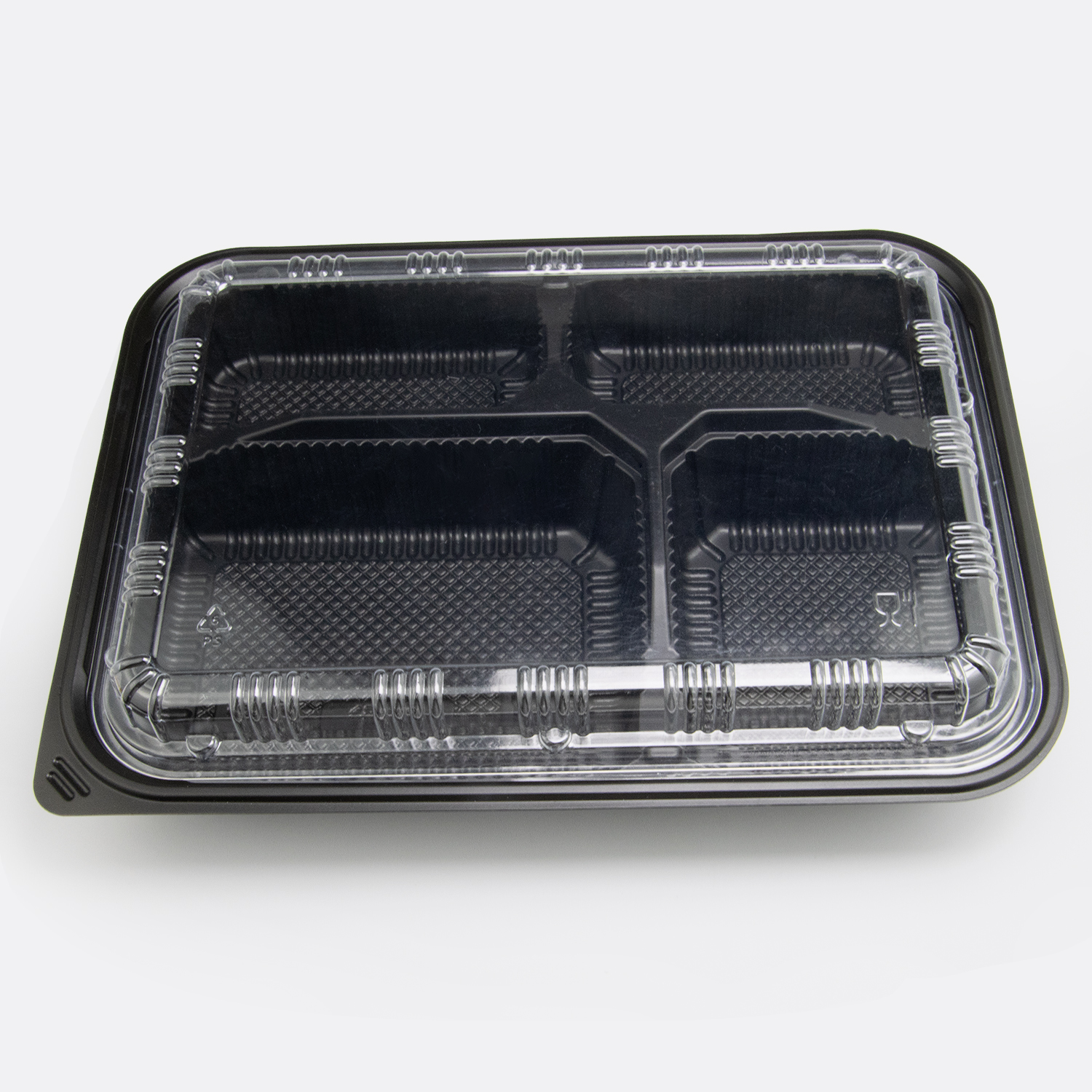
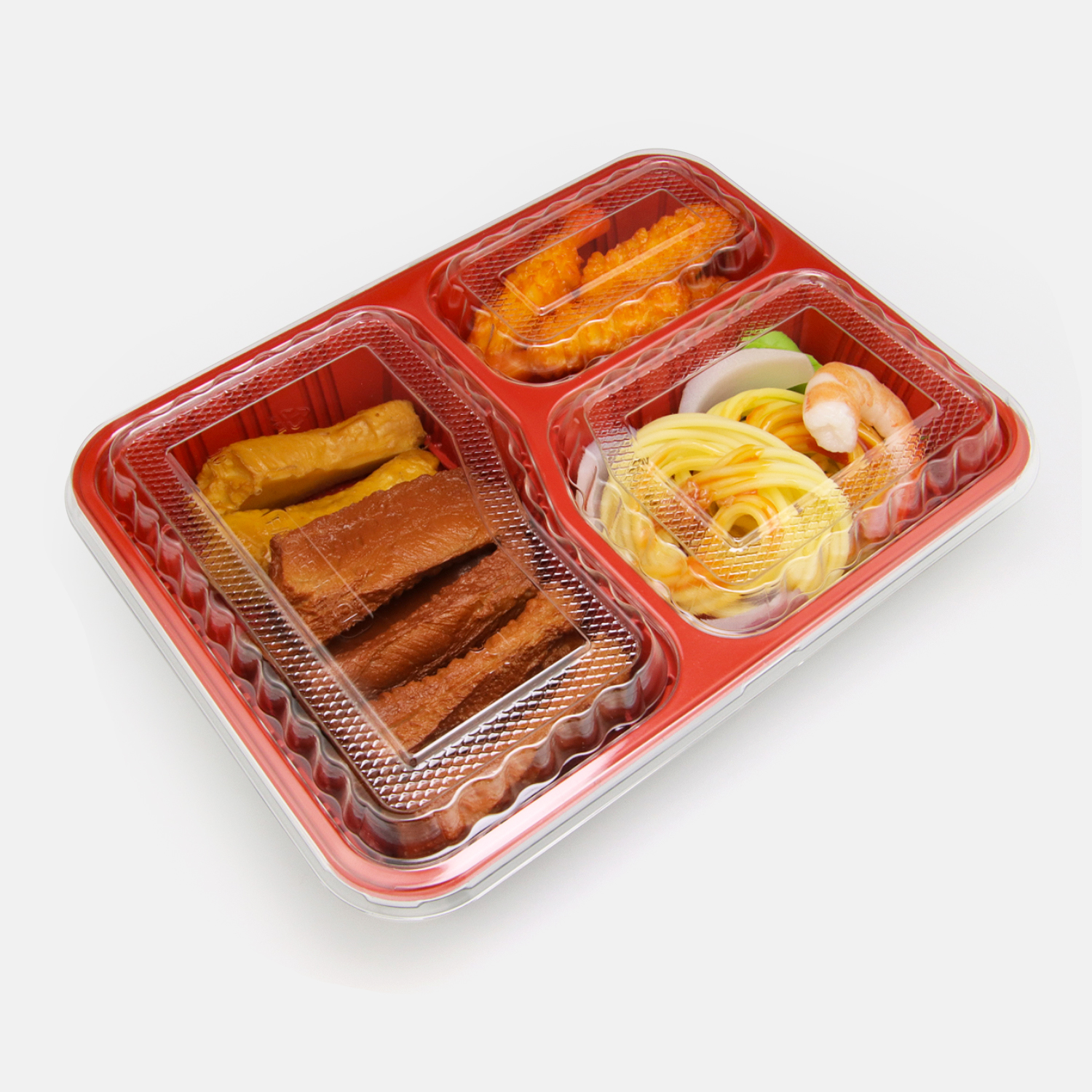
Next, think about the intended use. For food service applications, ensure that the containers are suitable for holding both hot and cold items, as well as liquids. If you're sourcing for retail or hospitality, aesthetics may also play a role; food packaging containers should align with your brand image while providing functionality. 

Another crucial consideration is the container's compliance with local regulations regarding compostability and biodegradability. Verify that the product meets the relevant certification standards, as this can help avoid potential legal and environmental issues.

Get a Free Quote

Our representative will contact you soon.
Email
Name
Company Name
Message
0/1000

Related product categories

Key Specifications to Compare for Biodegradable Container Options

When comparing biodegradable container options, focus on several critical specifications: 

Material Composition: Different materials will affect the container's barrier properties and strength. Understand the pros and cons of materials like PLA (polylactic acid) versus sugarcane bagasse. 

Dimensions and Capacity: Ensure the container size fits your product requirements. Check dimensions not only for compatibility with your products but also for how they will fit into existing packaging or display methods. 

Weight and Thickness: A thicker container may provide better durability but could also increase costs. Assess the trade-offs between weight and strength based on your needs. 

Decomposition Time: Understand the expected decomposition timeline based on usage conditions, such as temperature and exposure to moisture. This is particularly important for businesses looking to minimize their environmental footprint. 

Sealing and Closure Options: Depending on your application, consider whether the XM XIEFA container needs a secure seal or lid. This can affect transport and storage conditions.

Assessing the Quality of Biodegradable Containers for Bulk Purchases

Quality assurance is paramount when purchasing biodegradable containers in bulk. Begin by requesting samples to evaluate performance under real-world conditions. Look for signs of durability, such as resistance to bending or tearing, especially if the containers will hold heavy or hot items. 

Examine the manufacturing quality by verifying the supplier's quality control processes. Inquire about their testing procedures for strength, biodegradability, and compliance with food safety standards. A reputable supplier should be transparent about their certifications and provide documentation upon request. 

Furthermore, consider the supplier's experience in producing biodegradable products. A supplier like XM XIEFA, with expertise in food packaging, is more likely to understand the nuances of biodegradable materials and can better anticipate and address potential issues.

Cost Factors to Consider When Buying Biodegradable Containers in Bulk

While biodegradable containers are often marketed as eco-friendly solutions, their pricing can vary significantly based on several factors. When evaluating costs, consider the following: 

Material Costs: The type of biodegradable material will heavily influence the price. For example, PLA-based containers may be more expensive than those made from recycled paper. 

Production Scale: Larger orders can often leverage economies of scale, reducing the per-unit cost. However, be mindful of minimum order quantities (MOQs) that may apply. 

Customization Options: Custom designs, colors, or printing can increase costs. Assess whether these customizations are necessary for your brand or if standard options will suffice. 

Shipping and Logistics: Consider the total cost of ownership, including shipping fees, which can vary based on the supplier's location and your destination. Factor in lead times, as longer shipping may incur additional costs. 

Waste Management: While biodegradable food containers can reduce landfill contributions, understanding disposal processes in your area could influence overall costs, particularly if composting facilities are limited.

Installation Guidance for Effective Use of Biodegradable Containers

Proper installation and handling of XM XIEFA biodegradable containers are essential to maximizing their functionality. Start by training staff on the correct usage protocols to minimize damage during packing and transport. For instance, ensure that containers are not overloaded, which can lead to breakage. 

When storing biodegradable products, keep them in a cool, dry place away from direct sunlight to avoid premature degradation. Consider implementing an inventory rotation system based on expiration dates to ensure that older stock is used first. 

Moreover, educate your team about the disposal options available for these containers. Providing clear guidelines on composting versus recycling can enhance your sustainability efforts and foster a culture of environmental responsibility within your organization. 

By focusing on these considerations, you can effectively select, evaluate, and utilize biodegradable containers that meet both your operational and sustainability goals. Making informed decisions in this area will not only contribute to your organization's success but also play a vital role in promoting environmentally friendly practices within your industry.