Choosing Cold Drink Plastic Cups for Wholesale Needs

Contact Sales

Talk To Our Expert

Talk To Our Expert

Name
Email
Mobile
Message
0/1000

cold drink plastic cups

Cold drink plastic  cups are essential components in the food service and retail industries, providing a  practical solution for serving  beverages ranging from  iced coffees  to smoothies.  For purchasing managers, distributors, and product managers, several factors must be considered when  selecting the right cups for wholesale  orders.  This article will  guide you through  the critical aspects  of choosing  cold  drink plastic cups,  ensuring you  make  informed  decisions that align with  your  business needs.
Our Products

What to Consider When Choosing Cold Drink Plastic Cups for Wholesale

When selecting cold drink plastic cups for wholesale,  several  key factors  come into play. First, consider the intended use  of  the cups. Are they for a high-volume event, daily service, or limited-time promotions? The answer will influence the cup size, material, and design.

Next, evaluate the  material  of the cup. Common options include polypropylene (PP), polystyrene (PS), and polyethylene terephthalate (PET). Each material has unique characteristics: PP is durable  and resistant to high temperatures, while PET  is known for  its clarity and recycling potential. Understanding the material properties helps ensure the  chosen cup meets performance expectations in terms of insulation, durability, and  environmental impact.

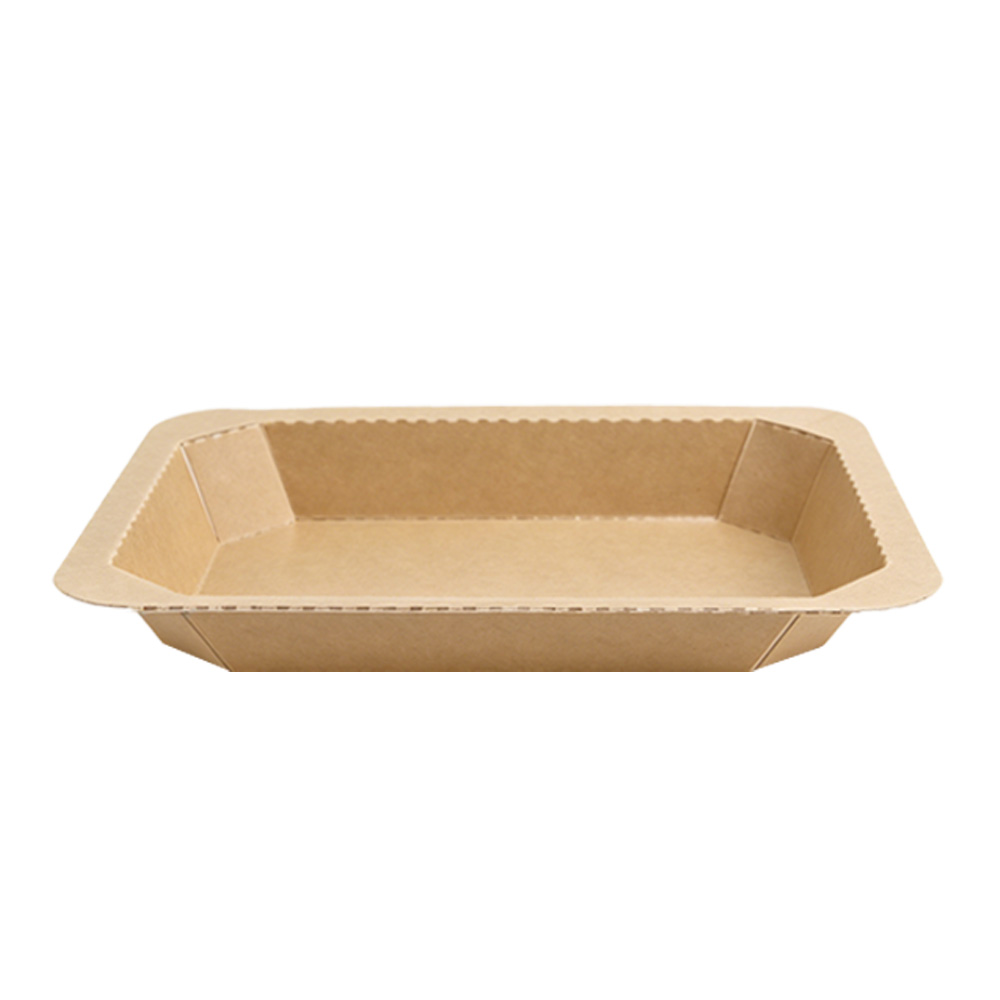
Additionally,  think about customization options. Many suppliers, including XM XIEFA, offer printing services for branding purposes. This can enhance marketing efforts and  create a cohesive  visual identity for  your products. For example, consider our Factory wholesale food-grade EVOH paper trays for disposable packaging to complement your cold drink offerings. Lastly, consider logistics, such  as minimum order quantities  (MOQ), lead times, and shipping costs, as these can significantly  affect your  overall budget and planning.

Get a Free Quote

Our representative will contact you soon.
Email
Name
Company Name
Message
0/1000

Related product categories

Specifications to Look for in Cold Drink Plastic Cups for Bulk Orders

Specifications to Look for in Cold Drink Plastic Cups for Bulk Orders

When  placing bulk orders for cold drink plastic  cups, it's essential to verify specific specifications to ensure they meet your operational needs. Key specifications  to consider include:

Size and Capacity: Determine the volume the cups need to hold,  which typically ranges from 8 oz to  32 oz. Each size serves different beverage types and customer  preferences.

Thickness and Strength: The thickness of the  cup's walls affects its durability and insulation properties. Thicker cups may  offer better  insulation for  cold drinks and reduce the risk of spills and  leaks during transportation.

Sealing Options: If lids are required, ensure  they fit securely and are  compatible with the selected cup. A good seal prevents spills and maintains the drink's  temperature.

Recyclability: Consider the environmental impact  of the cups. Cups made from recyclable  materials  can  enhance your brand's  sustainability profile, which is increasingly important to consumers. For instance, our biodegradable kraft paper bowls with lids can be a good choice to showcase your commitment to the environment.

Evaluating these specifications helps  ensure that the cold drink plastic cups you choose align with your customers' needs and your operational requirements.
Common Problems with Cold Drink Plastic Cups and Effective Solutions

Common Problems with Cold Drink Plastic Cups and Effective Solutions

Several common issues  can arise with cold drink plastic cups, but  understanding  these problems and their solutions can help you avoid pitfalls:

Leaking: If cups are not properly sealed,  they may leak during transport  or use. To address this, ensure that the selected lids fit snugly and consider  using thicker-walled cups for added durability.

Warpage or Melting: Exposure to hot  temperatures can cause some plastic cups to warp or melt.  To prevent  this, opt for cups specifically designed for  cold beverages, and store them  away  from direct  heat  sources.

Breakage: Thin or low-quality cups may crack  under pressure. Investing in higher-quality materials, such as PP or PET, can significantly reduce breakage rates during handling and transport.

Environmental Concerns: The increasing focus on sustainability means that buyers should consider the  recyclability  of their cups. Opting  for recyclable materials or offering a take-back program  can help address environmental concerns.

By being aware of these common issues and implementing effective solutions, you can ensure a smoother operation  and higher customer satisfaction.

Applications of Cold Drink Plastic Cups in Food Service and Retail Settings

Applications of Cold Drink Plastic Cups in Food Service and Retail Settings

Cold drink plastic cups have diverse applications in food  service and retail settings.  In restaurants and cafes, they  are commonly used  for serving iced beverages,  smoothies, and desserts. Their versatility allows for customization,  making them ideal for branding  and  promotional events.

In retail environments, these  cups are increasingly used for grab-and-go drinks, catering to the growing demand for convenience. They are also popular at outdoor events, festivals, and sporting events, where  portability and durability are  vital.

Furthermore, in the  hospitality industry, cold drink plastic cups  are essential for poolside service or outdoor dining,  where break-resistant options are preferred. Understanding  these applications  helps buyers select the right cups that  cater  to their  specific market and customer  needs.

Advantages of Different Materials Used in Cold Drink Plastic Cups

The material  used in cold drink plastic cups significantly impacts their  performance and suitability for various applications. Here  are some  advantages of  the most common materials:

Polypropylene (PP): Known for its high thermal resistance, PP cups are ideal for serving cold beverages that may require ice. They are also  durable, lightweight, and less likely to  crack  under pressure,  making them suitable for high-traffic environments.

Polystyrene (PS): PS  cups are cost-effective and provide good clarity, making  them visually appealing for retail displays. However, they are less durable than PP  and may not  be  suitable for hot beverages.

Polyethylene Terephthalate (PET): PET cups are highly regarded for their excellent  clarity and recyclability. They are commonly used for premium offerings, such as smoothies or  specialty drinks, as they showcase the beverage's appearance while being environmentally friendly.

Choosing the right material for your cold  drink plastic cups can enhance product presentation and performance, aligning with your company's values and customer  expectations.