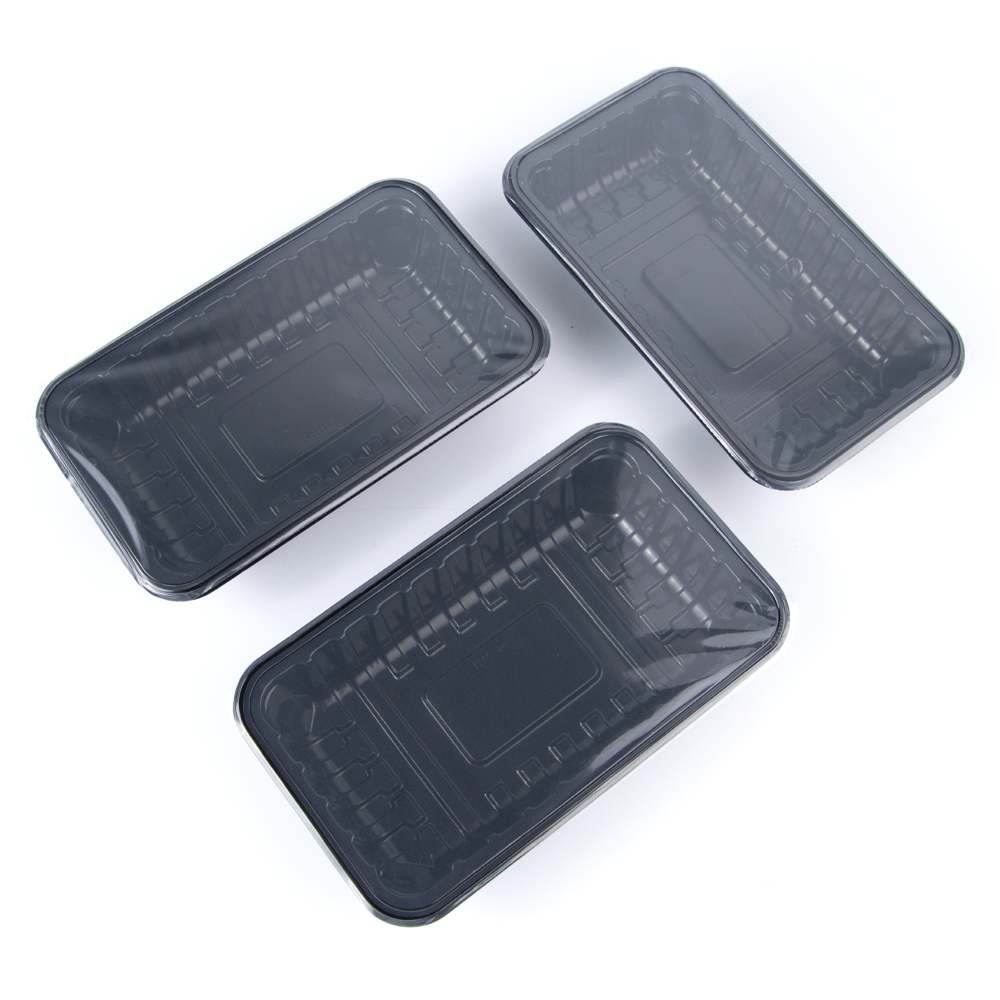
Plastic cutlery sets with napkin are essential components for food service and hospitality applications, offering a convenient and hygienic solution for dining needs. B2B buyers, such as purchasing managers and food service operators, often prioritize quality, cost-effectiveness, and supplier reliability when sourcing these products. This article will provide insights into sourcing plastic cutlery, comparing materials, installation guidance, applications in the industry, and the importance of quality control in manufacturing.
Comparing Material Advantages of Plastic Cutlery Sets
Plastic cutlery sets can be made from various materials, each with distinct advantages that cater to different applications. Common materials include polypropylene (PP), polystyrene (PS), and biodegradable options.
Polypropylene (PP) is known for its durability and resistance to bending and breaking, making it ideal for heavier meals. It can withstand higher temperatures, allowing it to be used for both hot and cold food applications.
Polystyrene (PS), on the other hand, is a more cost-effective option that offers a lightweight feel. While it is suitable for cold foods, it may not perform well under high heat, making it less versatile than PP.
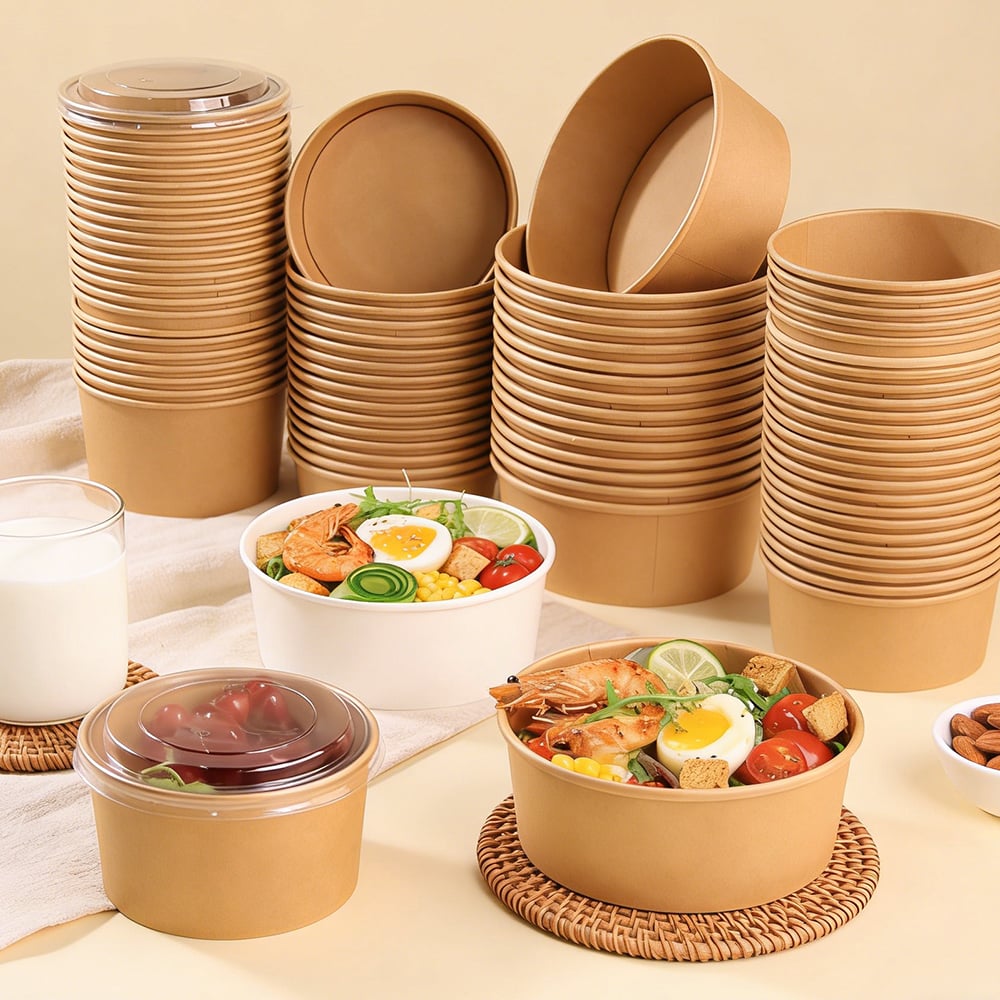
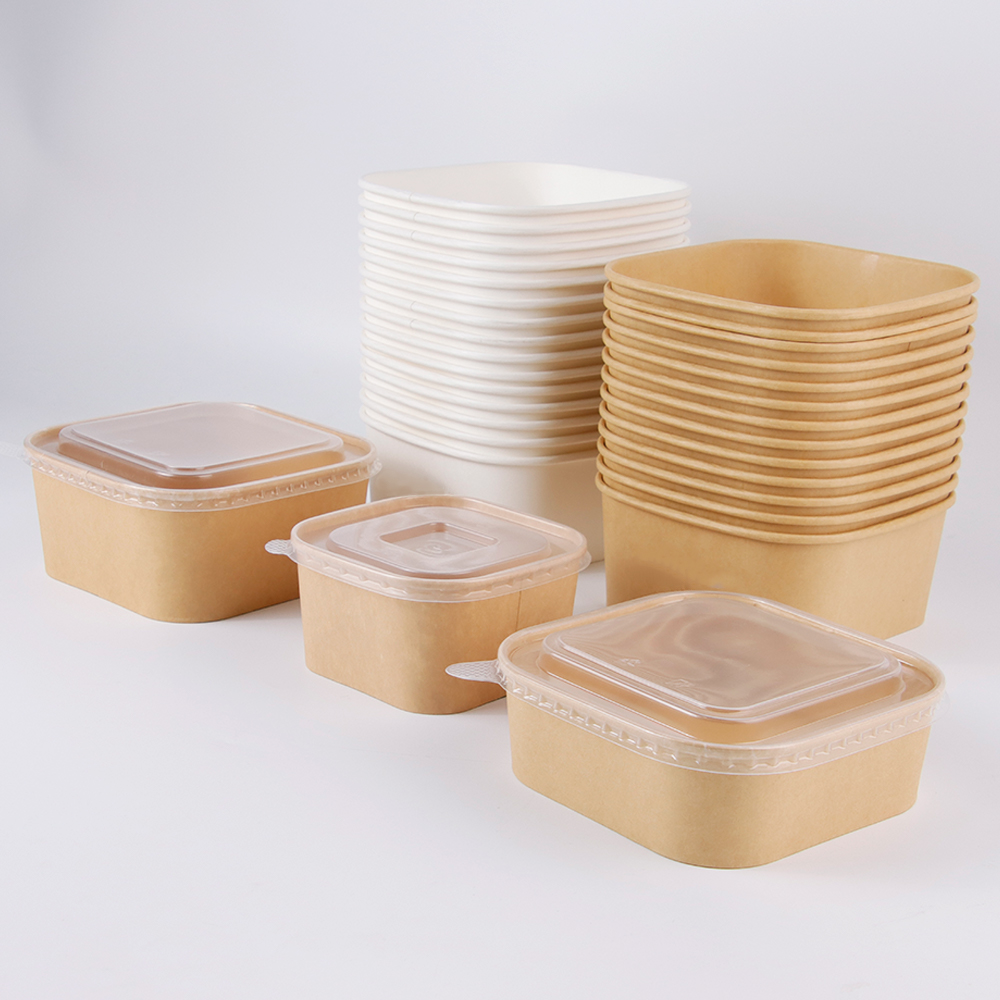
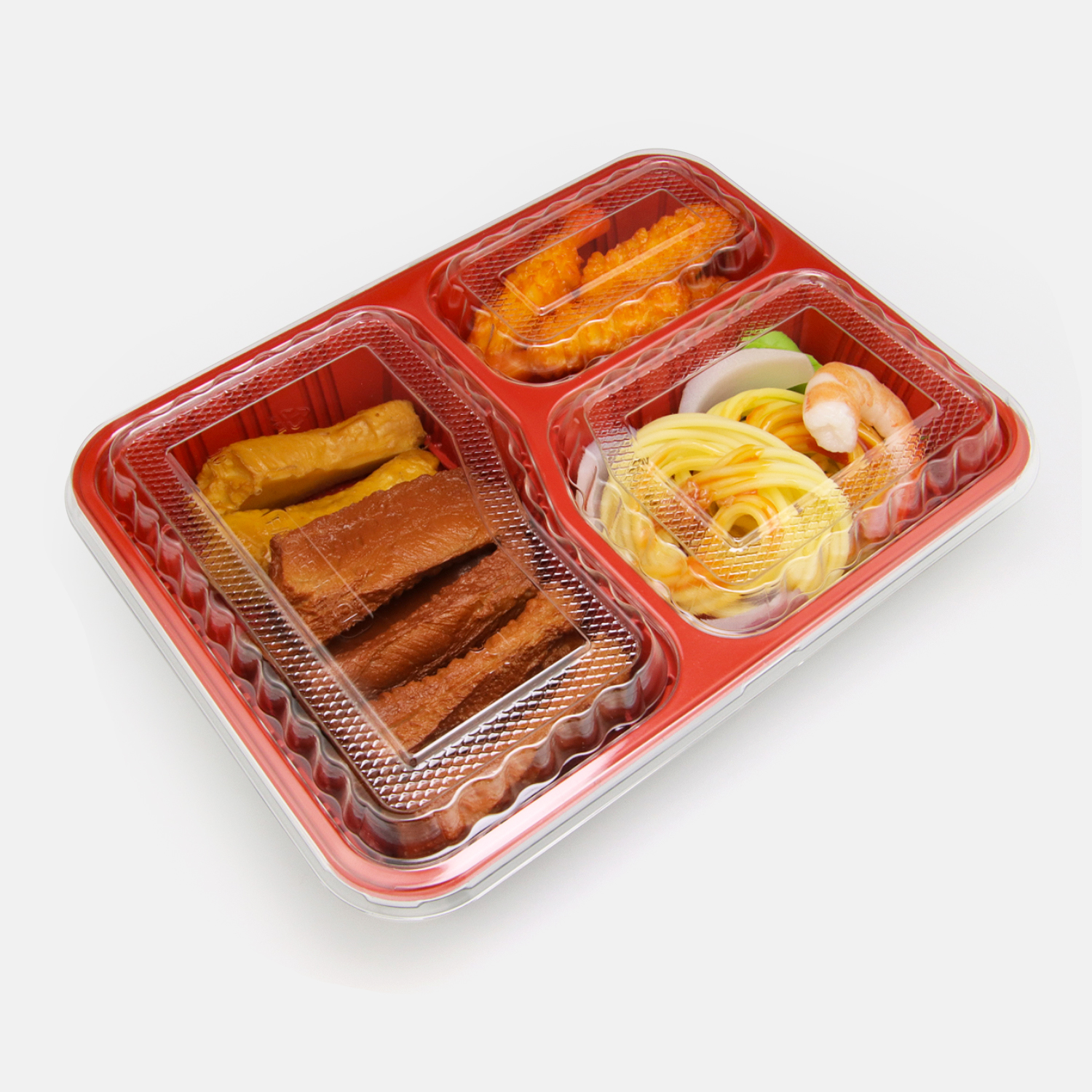
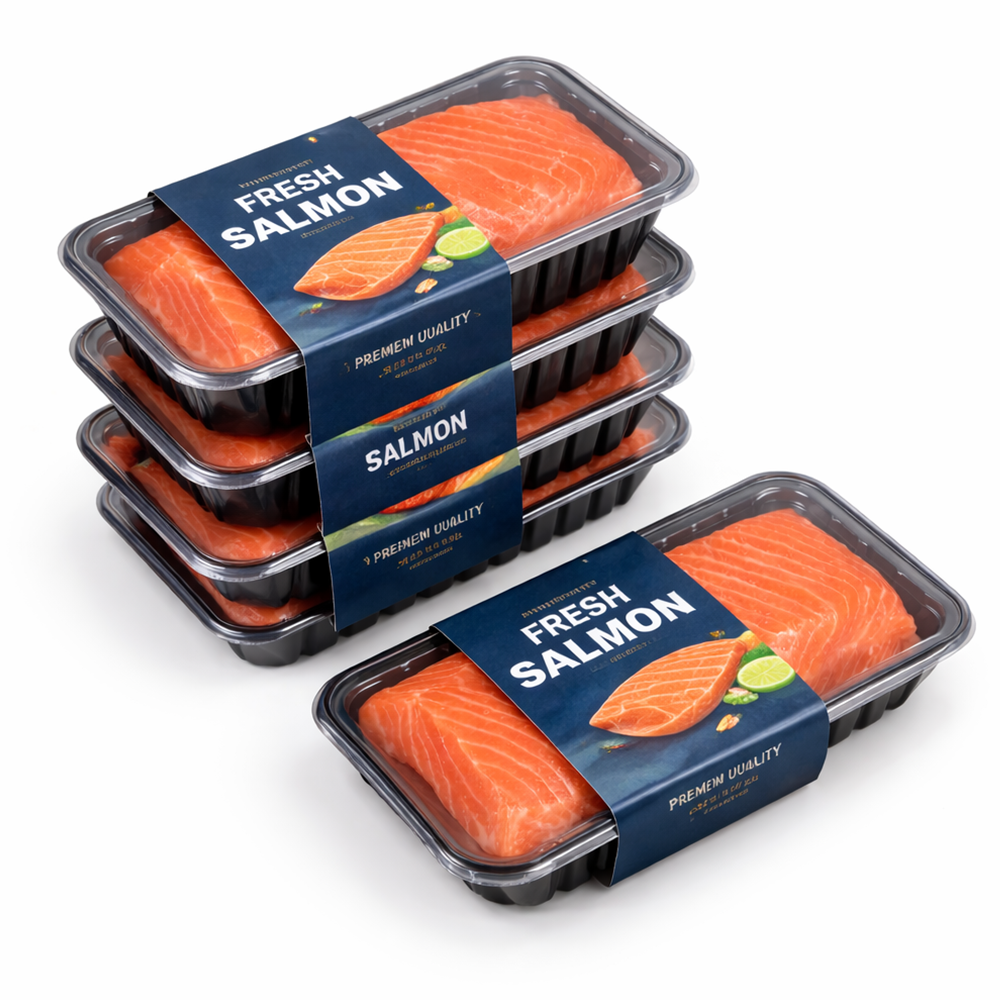
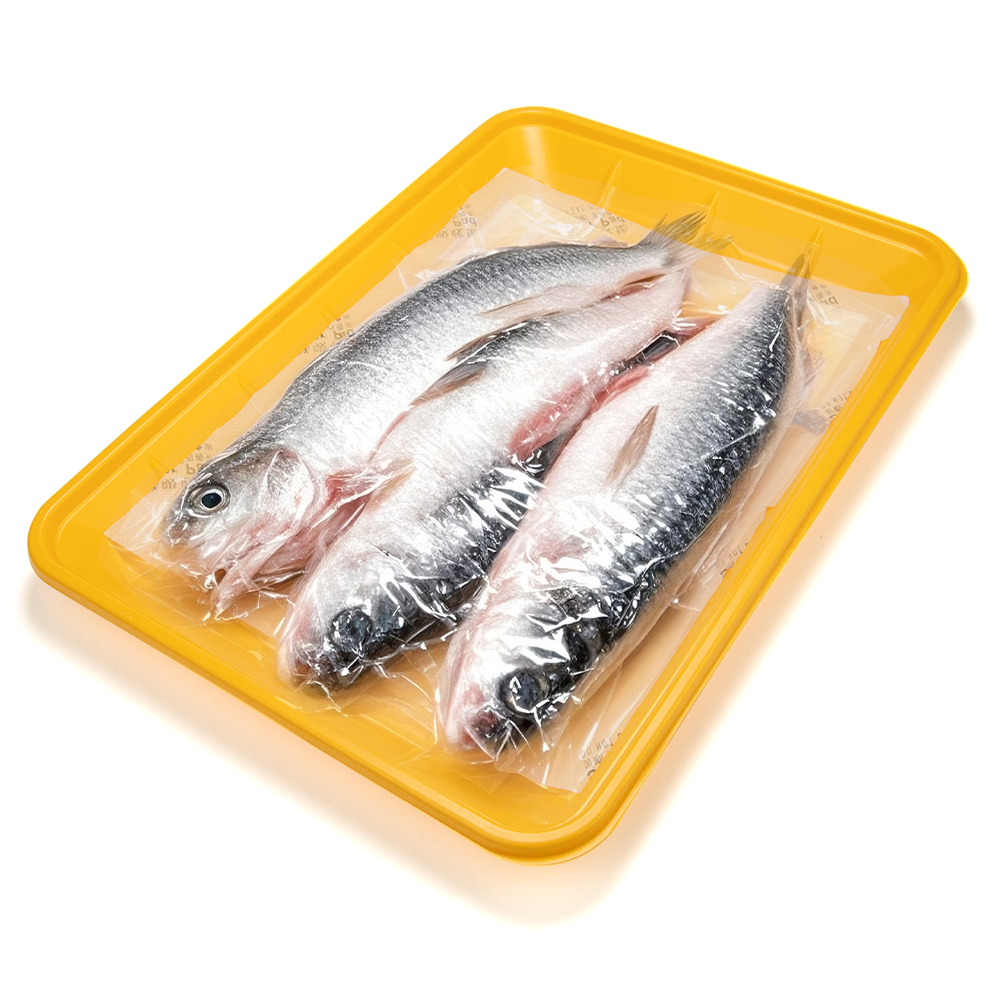
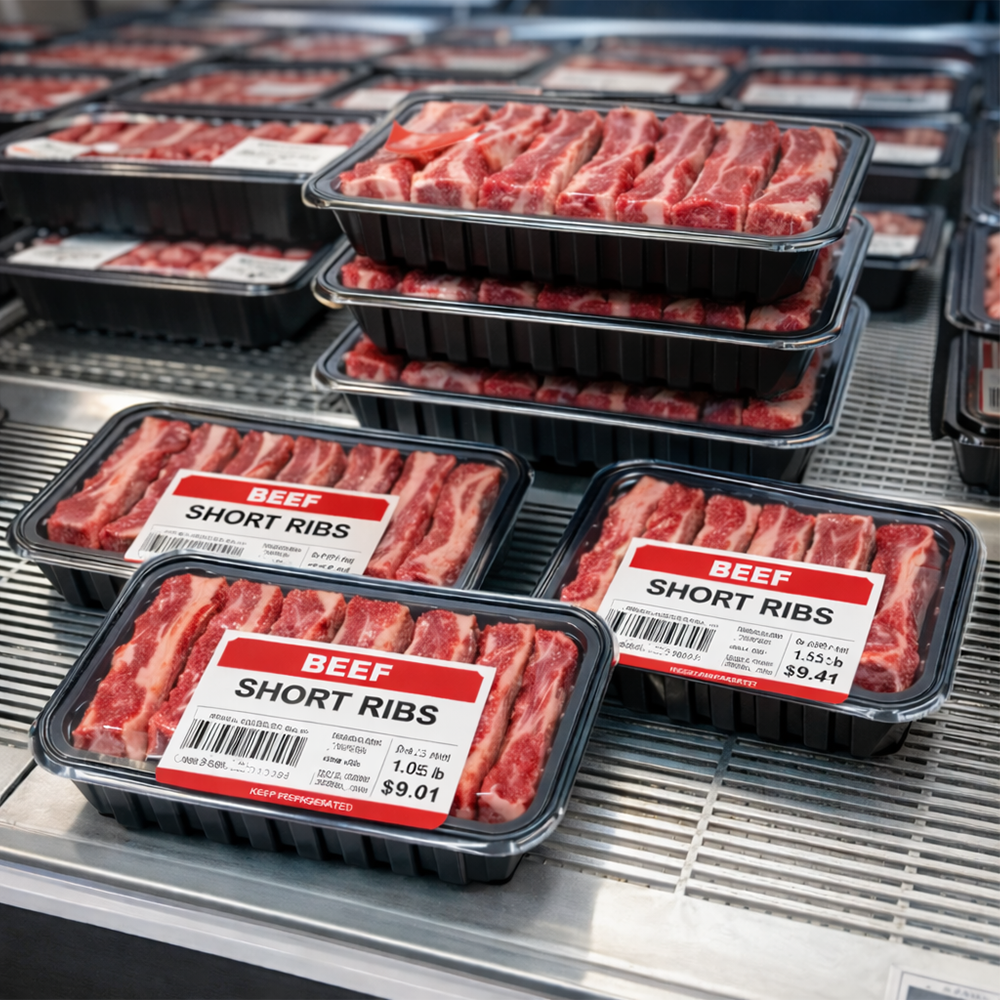
Biodegradable plastics are becoming increasingly popular for eco-conscious buyers. Made from renewable materials, these options offer a sustainable alternative without compromising on quality. Many buyers are also considering using Plastic food takeout containers as they provide a balance between convenience and sustainability.
When choosing the appropriate material, consider the intended use, the types of food being served, and customer preferences. The right material selection can enhance the dining experience while supporting sustainability goals.