Choosing the Right Plastic Knives and Forks

Contact Sales

Talk To Our Expert

Talk To Our Expert

Name
Email
Mobile
Message
0/1000

plastic knives & forks

Plastic knives  and forks are essential  tools in the food service  and retail industries, providing convenience and  practicality  for various  applications.  As a  buyer,  your  primary concerns may include quality, material compatibility, customization  options,  and pricing. This article  will help you understand  how to choose  the right plastic cutlery for  wholesale orders,  discuss common problems  and solutions, highlight applications, and compare material advantages to ensure  you make  informed purchasing decisions.
Our Products

How to Choose the Right Plastic Knives and Forks for Wholesale Orders

Selecting the right plastic knives and forks involves understanding your specific needs and the requirements of your end-users. Start by considering the application—will these utensils be  used for casual events,  fast-food service, or formal catering? Different settings may demand varying levels of durability and aesthetics.

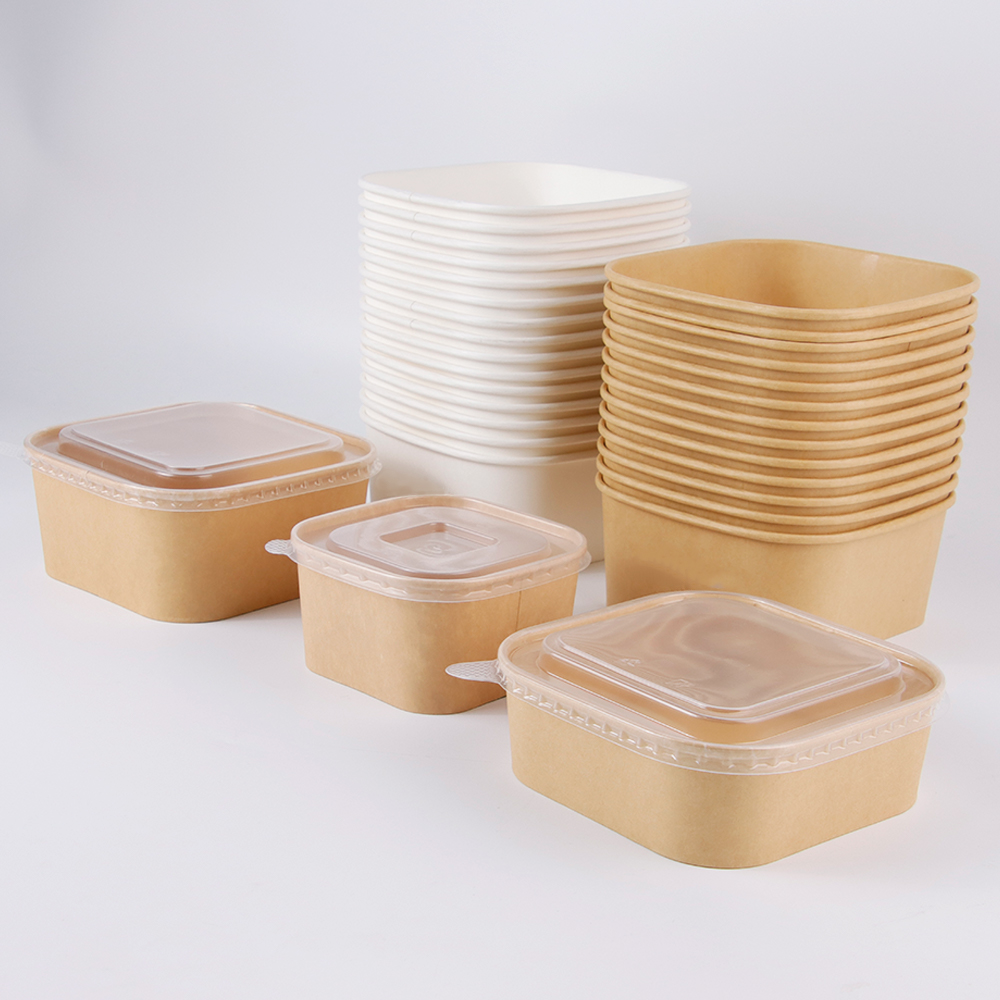
Evaluate the  type of material used in the  cutlery. Common materials include polystyrene, polypropylene, and PLA (polylactic acid) for biodegradable options.  Each material has its own strengths;  for example, polystyrene is known for its rigidity and cost-effectiveness, while PLA is more environmentally friendly but may  not  be suitable  for  hot foods. If you are looking for alternatives, consider our Factory wholesale food-grade EVOH paper trays for disposable packaging as a sustainable option.

Next, assess the design and  dimensions of the cutlery. The weight and size should  align with your  intended use. Lightweight  cutlery  may be ideal for quick-service restaurants, while sturdier options are  better suited for sit-down  dining. Additionally,  consider customization capabilities, such as branding or specific colors, to enhance your brand identity.

Lastly, request samples before placing a bulk order. Testing the products for functionality and appearance will help ensure  they meet your expectations  in real-world applications.

Get a Free Quote

Our representative will contact you soon.
Email
Name
Company Name
Message
0/1000

Related product categories

Key Factors for Buyers

Key Factors for Buyers

When purchasing plastic knives and forks, several key factors should be prioritized:

Material Quality: Ensure the material is food-safe and compliant with relevant regulations. Check for certifications  or testing  results that verify the cutlery's suitability for use.

Durability: Assess whether the cutlery  will withstand the intended use. For example,  utensils used for heavier or hot foods should be made from more robust materials  to prevent bending or melting.

Cost-Effectiveness:  Analyze pricing based on  your budget. Consider not only the unit price but also the total cost  of  ownership, which includes shipping and potential waste if the cutlery breaks  or fails during use.

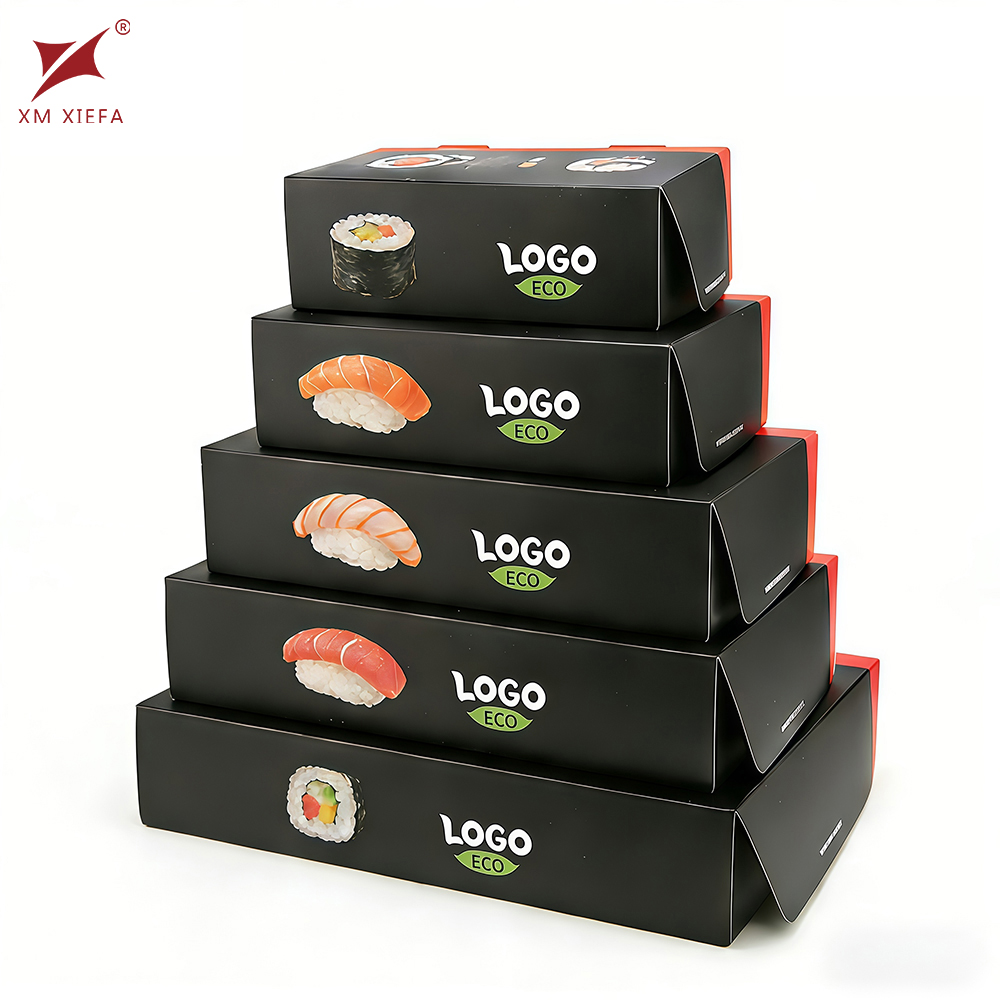
Customization Options: If branding is important,  inquire  about customization capabilities. Many suppliers offer options for imprinting  logos or using specific colors to align with your brand image. For instance, our Customized wholesale 15-compartment white PP dumpling tray packaging offers great customization features.

Minimum  Order Quantity (MOQ): Understand the supplier's  MOQ, as this  can affect your  purchasing decisions.  Some suppliers may have flexibility, while others may require larger orders for wholesale  pricing.

Lead Time: Confirm the expected lead time for production and delivery, especially if you have specific deadlines or events to meet.
Common Problems with Plastic Cutlery and Effective Solutions

Common Problems with Plastic Cutlery and Effective Solutions

Buyers  often encounter several common problems with plastic knives and forks, but these can be effectively managed:

Brittleness: Some plastic cutlery can be brittle  and prone to breaking under  stress. To mitigate this,  choose high-quality materials,  such as polypropylene, which offers better flexibility  and strength.

Melting  with Hot Foods: Certain plastics may  not be suitable for hot food applications, leading to melting  or deformation. When selecting cutlery, confirm that the material can withstand the temperature of  the intended food items.

Environmental Concerns: With increasing demand for sustainable  products, buyers may face challenges  in finding eco-friendly options. Look for cutlery made from biodegradable materials like PLA to address environmental concerns while meeting customer preferences.

Inconsistent Quality: Variability in  production can lead  to inconsistent quality  among batches.  Establish a  strong  relationship with suppliers and request quality control documentation to ensure consistency in  your orders.

By proactively addressing these issues, you can improve the reliability and performance  of plastic cutlery in your operations.

Applications for Plastic Knives and Forks in Food Service and Retail

Plastic knives  and forks are widely used across various sectors, including:

Fast Food Restaurants: In fast food settings, disposable cutlery is essential for convenience.  Lightweight, cost-effective options  are preferred as they facilitate quick service and  reduce cleanup time.

Catering Events: For catered events,  higher-end  plastic cutlery that mimics the appearance of metal can enhance the dining  experience.  Many caterers  opt for stylish designs  that combine aesthetics  with functionality.

Food  Delivery Services: As the  popularity of  food  delivery increases, reliable plastic cutlery is  crucial. Ensuring the utensils can withstand transit and maintain quality upon delivery  is vital for customer satisfaction.

Retail Packaging: Retailers providing ready-to-eat meals often include disposable cutlery in packaging. This adds value for consumers and  ensures they have the necessary utensils for consumption.

Understanding the specific application can guide your selection process and ensure the  cutlery  meets the needs of your customers.

Comparing Material Advantages of Plastic Cutlery for Your Needs

When selecting plastic knives and  forks, comparing the advantages of different  materials is crucial to finding the  best fit for your needs:

Polystyrene: This material is lightweight, rigid, and cost-effective, making it suitable for single-use cutlery in fast food or  casual dining applications. However, it has  limited heat resistance.

Polypropylene: Known for its  durability and flexibility, polypropylene is  ideal for a variety of  applications, including heavier foods. It offers better heat resistance,  making it suitable for hot  meal services.

Biodegradable Options (PLA): For businesses aiming for sustainability, PLA cutlery provides  an eco-friendly alternative. While it may not be as strong as polystyrene  or polypropylene, it is  compostable and suitable for cold food applications.

Evaluating the specific performance requirements  and  environmental considerations will guide your material selection process.

In summary, understanding the nuances of plastic knives and  forks—  from selection and common challenges to material advantages— equips buyers with the knowledge to make informed decisions. By considering these factors, you can  secure cutlery that meets  the  demands of your business while satisfying your customers.