High-Quality Plastic Cutlery for Food Service

Contact Sales

Talk To Our Expert

Talk To Our Expert

Name
Email
Mobile
Message
0/1000

plastic knives and forks

Plastic knives  and forks  are essential  components of  food  service and hospitality  applications, providing a practical, cost-effective solution for dining needs. As  a B2B buyer,  your primary concerns may  include material quality,  durability,  pricing, and  supplier reliability.  This article will guide you through  key specifications for high-quality  plastic  cutlery, effective supplier comparison strategies, common issues,  application scenarios, and installation guidance to  help you make  informed  purchasing decisions.
Our Products

Key Specifications for High-Quality Plastic Cutlery Products

When evaluating plastic knives and forks, several key specifications should be considered  to ensure  they meet your operational needs:


Material Type: Most plastic cutlery  is  made  from polystyrene or polypropylene. Polystyrene is typically more rigid, making it suitable for heavier  foods, while polypropylene is more flexible and resistant to heat.  Understanding the material properties will help  you select cutlery that aligns with your menu offerings.

Dimensions: The size of the cutlery is crucial for ensuring usability. Standard sizes typically include 6.5 to 7.5 inches for knives  and forks. However, customization may be necessary based on  specific dining applications or customer preferences.

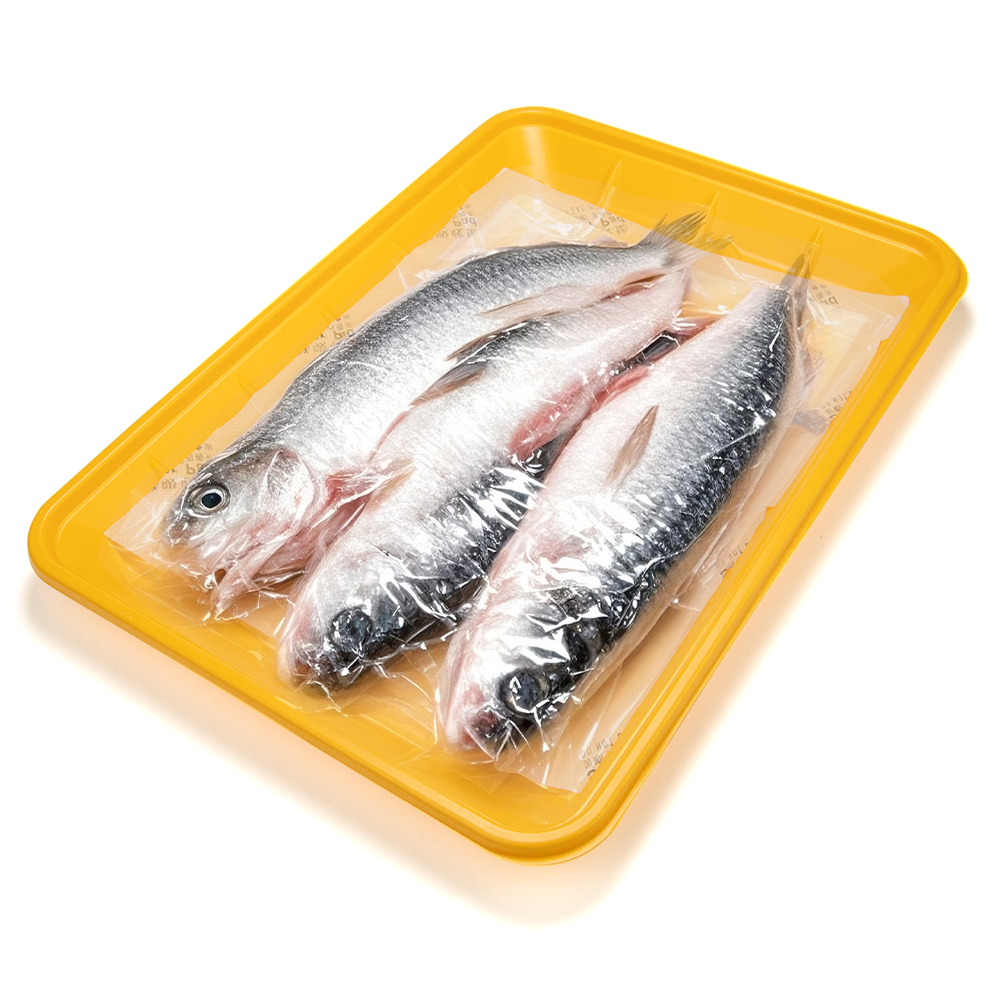
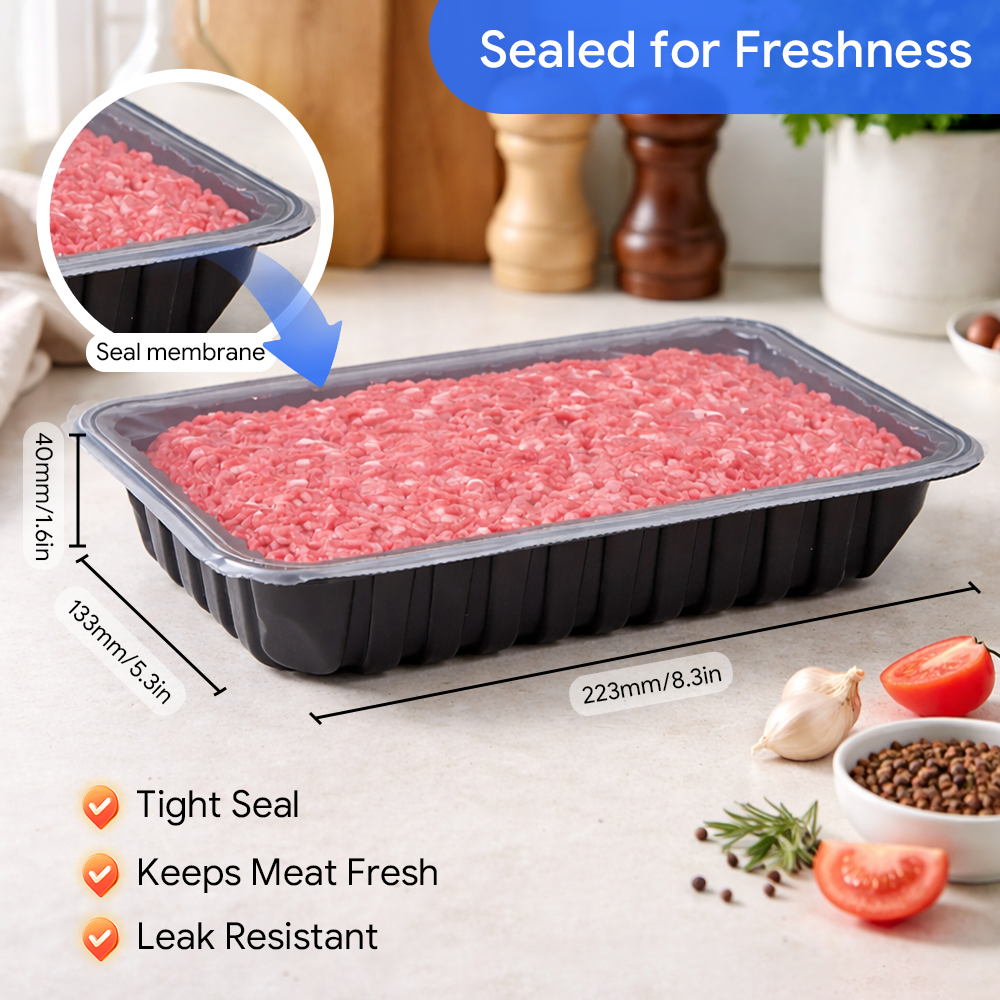
Durability: The strength of the cutlery is important for  preventing breakage during use. When assessing durability, consider  the thickness of the cutlery, as this can affect its ability to  handle  various food types, from soft salads  to dense meats. For example, if you're looking for high-quality options, consider our Factory wholesale food-grade EVOH paper trays for disposable packaging.

Weight: A balance between sturdiness and weight is  essential. Lightweight cutlery  may be more cost-effective and easier to handle but could compromise on strength.

Certifications: Ensure that the cutlery meets food safety standards, such as FDA or EU regulations, to guarantee  that it is safe for food contact. This is especially important for businesses in the food  service industry.

Understanding these specifications will help you select high-quality plastic cutlery that meets both functional and regulatory requirements.

Get a Free Quote

Our representative will contact you soon.
Email
Name
Company Name
Message
0/1000

Related product categories

How to Compare Bulk Plastic Knife and Fork Suppliers Effectively

How to Compare Bulk Plastic Knife and Fork Suppliers Effectively

When sourcing plastic knives and  forks, a strategic approach to supplier evaluation is crucial for ensuring quality and reliability. Here are several factors to  consider:

Production Capabilities: Inquire about  the supplier's manufacturing processes and equipment. A supplier with advanced machinery is more likely to deliver consistent quality and handle large orders efficiently.

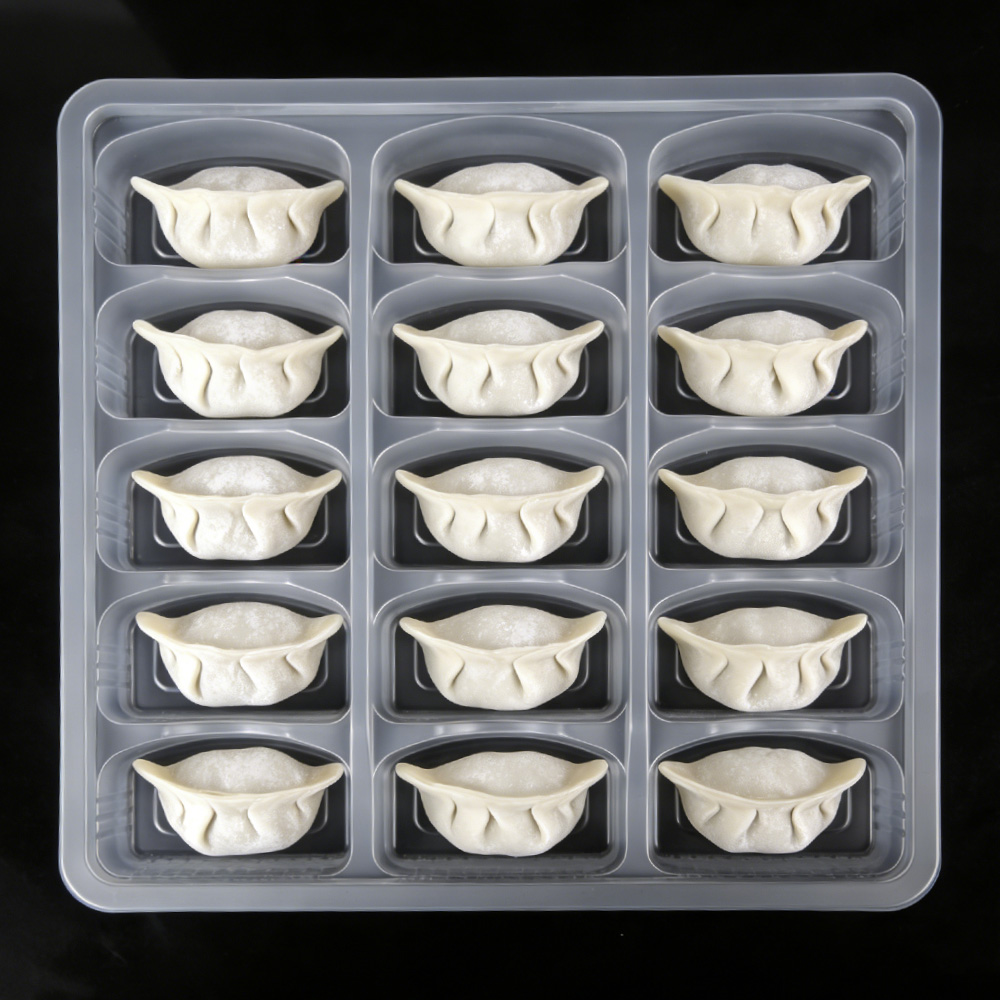
Customization Options: Suppliers that offer customization can help you create unique cutlery  that fits your brand or specific needs. Ask about their ability to produce custom sizes, shapes, and colors. For instance, you might be interested in our Customized wholesale 15-compartment white PP dumpling tray packaging.


Quality Control Processes: A reputable  supplier should have stringent quality  control measures in place. Request  information on their inspection protocols, testing  methods,  and any certifications they hold.

Lead Times: Understand the supplier's production lead times and their ability to meet your delivery schedules. Delays in receiving cutlery can impact your  operations, so it's essential to choose  a supplier that can deliver on  time.

Pricing Structure: Compare pricing across suppliers, but consider  total cost, including shipping and any potential hidden fees. The cheapest option may not always  provide the best overall value.

Customer Support: Reliable customer service can make a significant  difference in your purchasing experience. Evaluate how responsive and helpful the supplier is during  inquiries and negotiations.

By taking these factors into account, you  can  make a more informed decision when selecting a supplier for  bulk plastic cutlery.
Common Problems with Plastic Knives and Forks and Their Solutions

Common Problems with Plastic Knives and Forks and Their Solutions

While plastic  knives and forks are  convenient, buyers may encounter several common issues:

Brittleness: In  some cases, plastic cutlery may become brittle, leading to  breakage. This typically occurs with lower-quality materials. To mitigate this, ensure that you select cutlery made from high-quality polypropylene, which offers better impact resistance.


Deformation: Cutlery can warp or lose  shape if exposed to  high temperatures,  particularly in warm foods or drinks. Make sure to choose heat-resistant materials if this is a concern for your application.

Surface Imperfections: Inconsistent  surface quality can affect the appearance of cutlery. Regular quality checks and working with a  reputable supplier can help minimize these defects.

Limited Usability: If  cutlery is not strong enough, it may not  be suitable for certain food types, leading to customer dissatisfaction. Assess the intended use of  the cutlery and ensure  it meets the necessary strength requirements.

Environmental Concerns: Increasingly,  customers are concerned about  the environmental impact of single-use plastic. Consider  suppliers who offer biodegradable or recyclable options  to address these concerns.

Understanding these common issues and their  solutions can help you  choose the right plastic cutlery for your needs and enhance customer satisfaction.

Applications for Plastic Cutlery in Food Service and Hospitality

Applications for Plastic Cutlery in Food Service and Hospitality

Plastic knives and forks are widely used across various sectors within food service and hospitality, including:

Catering Services: In catering environments where convenience is key, disposable cutlery provides an easy  solution for large events. They are lightweight, easy to transport, and eliminate the need for washing dishes.

Fast Food Restaurants: Quick-service establishments often rely on disposable  cutlery  for takeout orders. The ability to provide  cutlery that is durable  enough to handle robust meals  is essential in maintaining customer satisfaction.

Picnics and Outdoor Events: For outdoor  gatherings, plastic cutlery is a practical choice due to its  portability and ease of disposal. Custom  branding can also enhance visibility at promotional events.

Healthcare Facilities: In  hospitals and care homes, disposable cutlery can help maintain hygiene and  reduce the risk of cross-contamination, making it an ideal choice  in such sensitive  environments.

Food Delivery Services: As the demand for food delivery continues to rise, plastic cutlery is crucial for ensuring that  meals  come with the necessary utensils, providing a complete dining  experience  for customers at home.

Understanding these applications can  help you  tailor your selection of  plastic cutlery to suit specific industry needs effectively.

Installation Guidance for Efficient Use of Plastic Cutlery in Projects

While plastic cutlery is straightforward in its application, certain best practices can enhance  its use in various  projects:

Pre-Event Planning: Anticipate the volume  of cutlery needed based on guest counts and menu options. This helps avoid shortages or excess waste.

Storage Conditions: Store  plastic cutlery in a cool, dry  place to prevent warping or  degradation before use.

Presentation: Consider how cutlery is presented to guests. Using branded holders or attractive packaging can enhance the dining experience and promote your brand.


User Instructions: Providing information on proper use,  especially for heat-sensitive cutlery, can prevent mishaps during dining.

Post-Event Disposal:  Establish a disposal plan to ensure that used cutlery is collected efficiently. This is particularly  important in outdoor settings  to maintain cleanliness and safety.


By  following these installation guidelines, you can  maximize the efficiency and effectiveness of plastic cutlery in your  projects,  ensuring a better  experience for  both staff  and  customers.