Reliable Plastic Utensils for B2B Buyers

Contact Sales

Talk To Our Expert

Talk To Our Expert

Name
Email
Mobile
Message
0/1000

plastic utensils

Plastic  utensils are essential  tools for  various  sectors, including food service, retail,  industrial, and  hospitality. As a B2B  buyer, understanding  the specifications  and applications of these utensils is critical  to making  informed purchasing decisions.  This  article will provide insights into sourcing reliable plastic utensils, key specifications to  consider,  their applications  across different industries, common  problems,  and how to select the  right  supplier.
Our Products

Where to Source Reliable Plastic Utensils for Wholesale Purchases

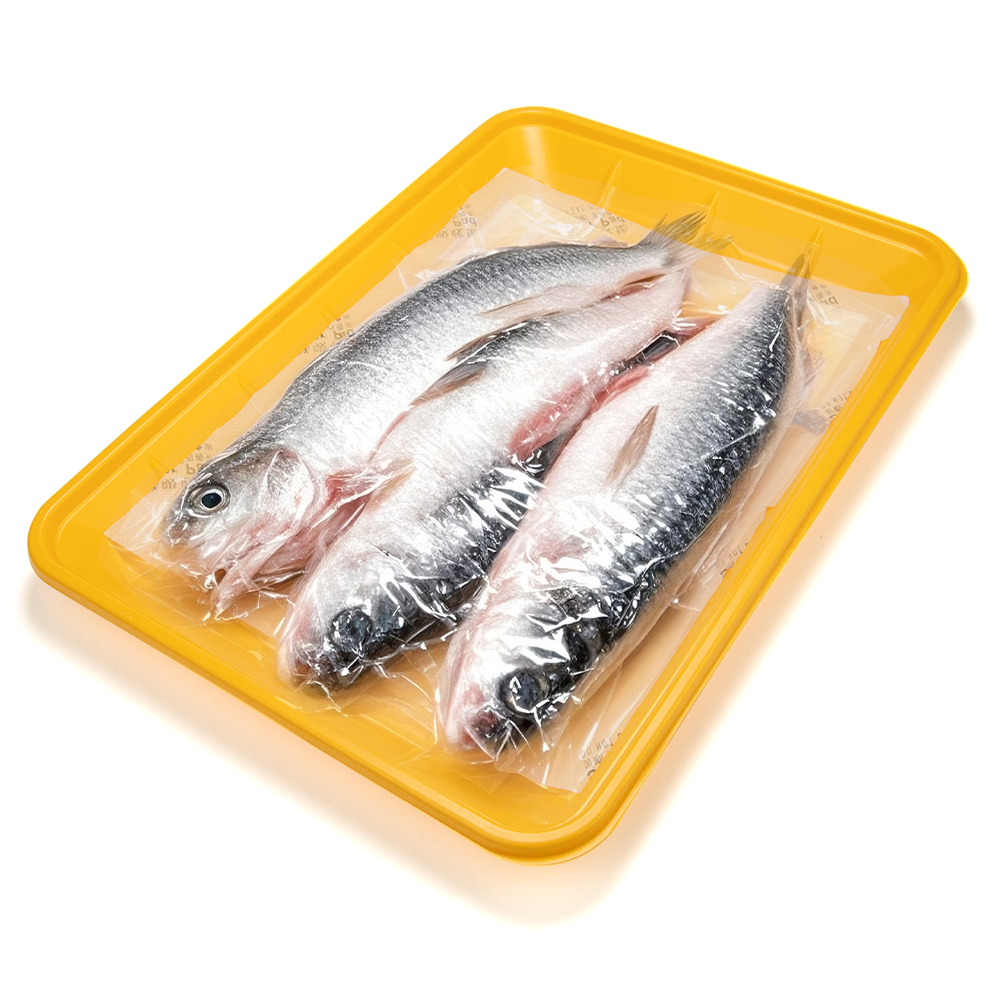
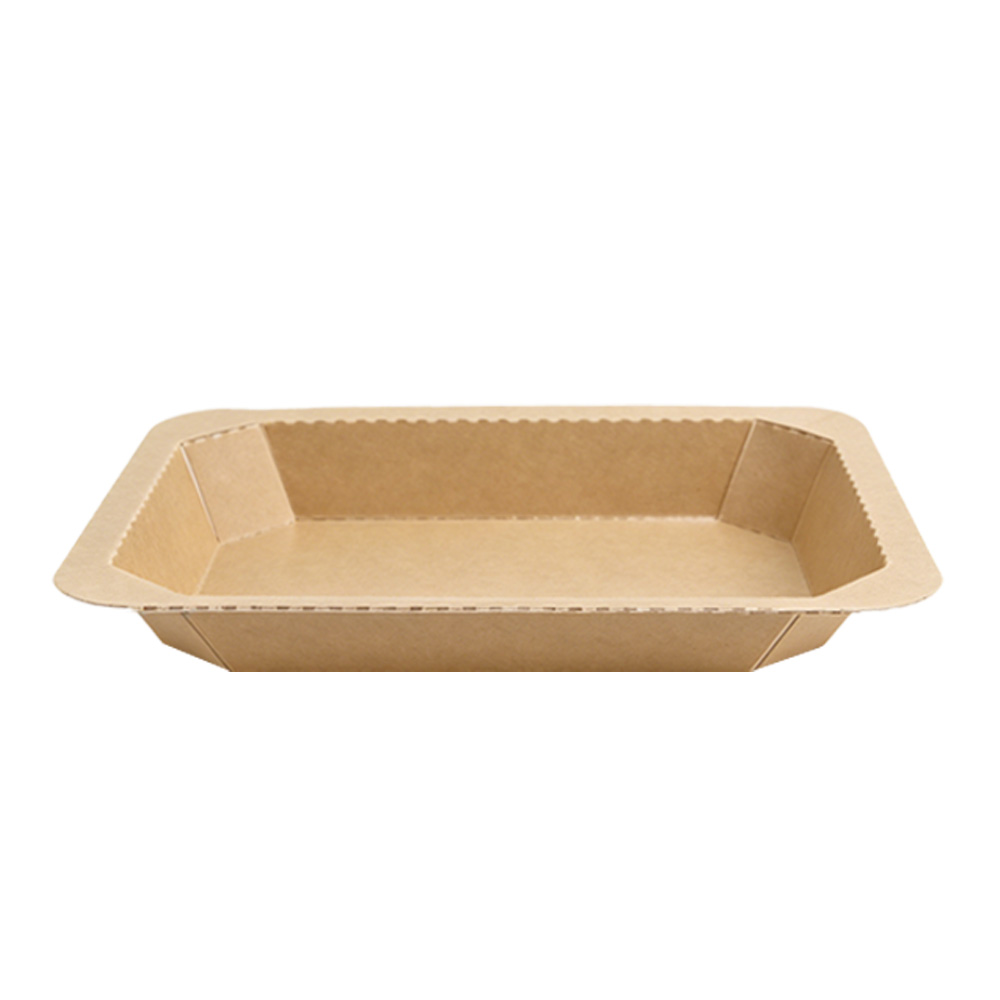
When sourcing  plastic utensils for  wholesale purchases, look for suppliers with a robust manufacturing background and a proven track record in food  packaging  solutions. Reliable suppliers typically have established relationships with  manufacturers  that ensure  quality and consistency. XM XIEFA, for example, is known for its innovative and cost-effective  food packaging  solutions, making it a strong candidate for sourcing plastic utensils. Additionally, consider options such as Factory wholesale food-grade EVOH paper trays for disposable packaging to complement your offerings.


It's vital to conduct thorough  research on potential suppliers. Consider factors such as their production  capabilities, quality control  processes, and customer reviews. Request  samples  to  evaluate the  quality of the utensils and ensure they meet your specifications. Additionally, inquire  about  lead times, minimum order quantities (MOQs), and customization options, as these factors can significantly  impact your procurement strategy.

Get a Free Quote

Our representative will contact you soon.
Email
Name
Company Name
Message
0/1000

Related product categories

Specifications You Need to Know

Specifications You Need to Know

Understanding the specifications of plastic utensils is  crucial for  ensuring  they meet the intended application. Key specifications to consider include:

Material: Common materials for plastic utensils  include polystyrene, polypropylene, and PLA (a biodegradable alternative). Each material has unique characteristics that  affect durability, temperature resistance, and suitability for various food  types.

Dimensions: The size and shape of utensils (e.g., length of forks or spoons)  can influence usability and presentation. Ensure  that  the dimensions  align with the intended application, whether for casual dining or high-end events.

Weight Capacity: Assess the weight capacity  of the utensils, especially if they will be  used for heavy or dense foods. Utensils that cannot handle the expected load may lead to customer  dissatisfaction.

Certifications: Verify if the utensils  meet  relevant food safety standards  and regulations. Certifications such as FDA compliance or other local regulations can provide assurance  about their safety for food contact.


These specifications can significantly affect the performance and  customer experience, so take the  time to evaluate them thoroughly before making a purchase.
Applications of Plastic Utensils Across Various Industries

Applications of Plastic Utensils Across Various Industries

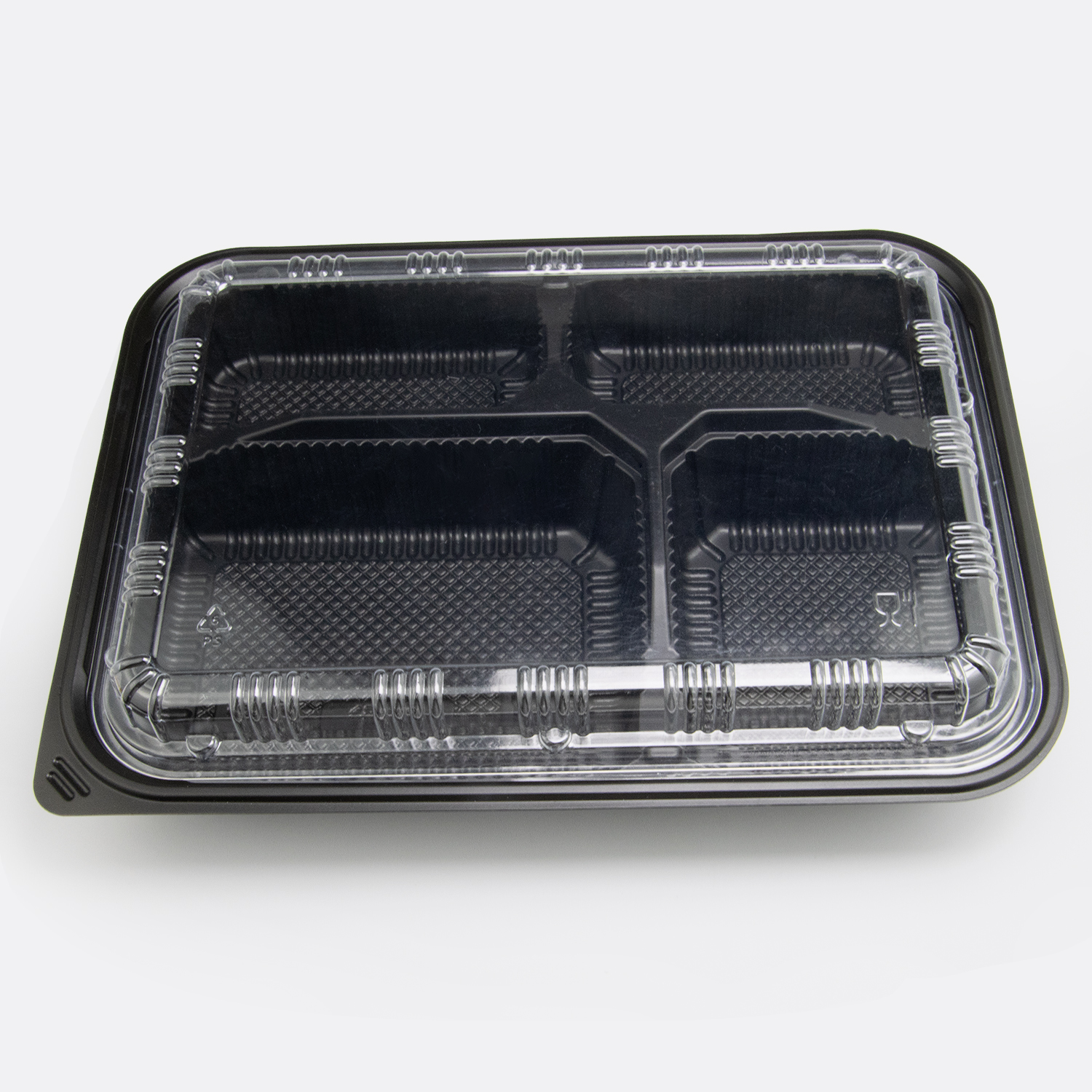
Plastic utensils find applications across a  wide range of industries.  In the food service sector, they are commonly used in restaurants,  catering services, and food trucks, providing a convenient and cost-effective solution for  serving meals. In retail,  plastic utensils are often included in take-out packaging, enhancing the  customer experience while  ensuring ease of use. For example, consider using 4-compartment PP takeaway food containers with clear PET lids for a more organized presentation.


In industrial settings, plastic  utensils may be utilized in laboratories or food processing environments, where  single-use items help  maintain hygiene. Hospitality venues, such as hotels and event centers, also  leverage  plastic utensils  for large gatherings, where  disposability and convenience are  crucial.

Understanding the  specific applications of plastic  utensils can guide buyers in selecting  the right products for their needs, ensuring compatibility with  the intended use.

Common Problems with Plastic Utensils and Effective Solutions

Common Problems with Plastic Utensils and Effective Solutions

While plastic utensils offer  many advantages, they are not without challenges.  Common problems include:

Brittleness:  Some plastic materials may become brittle over time, leading to breakage during use. To mitigate this, choose utensils made from high-quality, impact-resistant materials such as polypropylene.

Melting or Warping: Utensils used with  hot  foods may warp or melt if  not designed for  high temperatures. Always verify the heat resistance of the plastic material before use.

Environmental Concerns: With  growing awareness of  environmental issues, many buyers  seek biodegradable  or compostable options. Suppliers like  XM XIEFA can provide  alternatives such as PLA  utensils that align with sustainability goals.

To address  these problems, work closely with  suppliers to  understand the limitations and proper use of  their  products. Requesting samples for  testing under actual conditions can also help identify any potential issues before committing to bulk orders.

Choosing the Right Supplier for Your Plastic Utensil Needs

Selecting the  right supplier is a critical step in ensuring the quality and reliability of plastic utensils. Here are key factors to consider:

Experience and Expertise: Look for  suppliers with extensive experience in food  packaging and  a deep understanding of plastic utensils. Their expertise can guide  you  in  selecting the  right products and specifications.

Customization Capabilities: If your business requires specific designs or branding, choose a supplier  that offers  customization options. This flexibility can help differentiate your products in a  competitive market.

Quality Control Processes: A reputable supplier should have robust quality control measures  in place. Inquire about their  testing procedures and  certifications to ensure that  their products  meet industry standards.

Responsive Communication: Effective  communication is  essential for a successful supplier relationship. Choose a supplier that is responsive to  inquiries and can provide timely support throughout the procurement process.

By carefully evaluating potential suppliers based on these criteria, you can establish a partnership that meets your needs and  supports your business objectives.