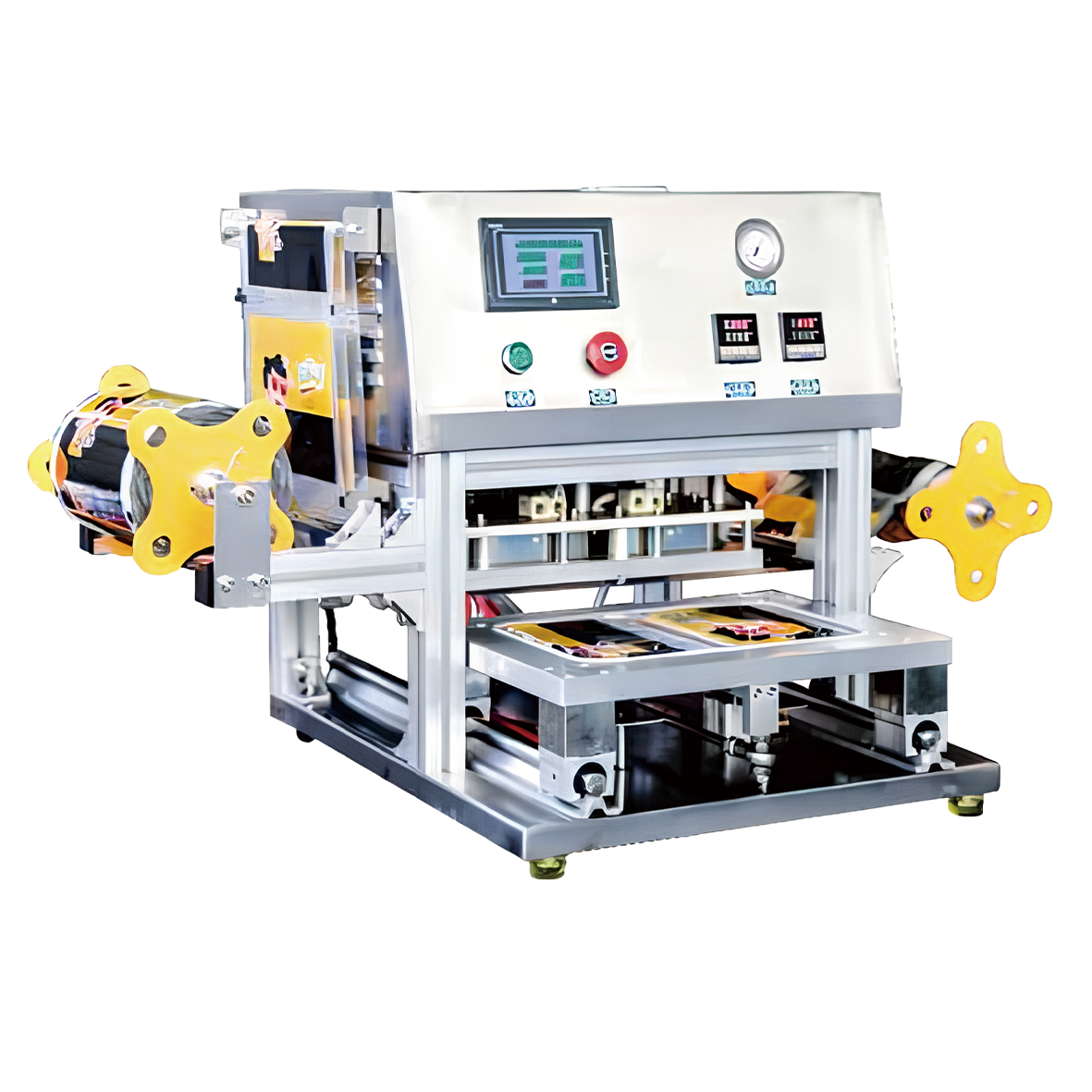
Food waste is another major issue for retailers, food service operators and hotels at the storage stage. Whether the product is fresh food wilting on the grocery shelf, a pre-made product going off in the walk-in, or dry goods drawing unwanted moisture in the dry storage room, they all have a common cause: air. By removing the air from a foodstuff, and creating a sealed environment in which the biological and chemical interactions that cause decay are severely slowed, a vacuum package sealer destroys the cause of food waste at the very start. To understand why vacuum sealing is becoming so integral to commercial food storage, however, you need to know what it requires from packaging materials.
The Science of Spoilage and the Role of Air
Understanding what problem, a vacuum sealer is designed to address will go a long way towards understanding how it will be helpful to you. There are three common ways in which food will spoil while in storage and they take place simultaneously: microbial growth, oxidation, and transmission of moisture. Oxidation leads to rancidity of fats, fading of pigments and degradation of vitamins. Moisture migration can, on the other hand, cause moisture to escape from foods that must stay moist and can also cause excess moisture in dry foods, which can lead to clumping and molding.
A vacuum package sealer works in all three directions. The air within the package is pumped out before sealing, eliminating the oxygen needed for aerobic microorganisms and limiting oxidative reactions. Meanwhile, the vacuum sealed barrier film that is formed helps to restrict moisture transfer between the food and environment. Together, these help add to the shelf life and significantly preserve the texture, color and taste of the product, which are important to customers when assessing the freshness of the product at the point of sale.
Why the Seal Itself Matters as Much as the Vacuum
It's easy to view vacuum sealing as simply "removing air," but the quality of the seal matters just as much. If a reliable seal is not maintained on a vacuum, this is going to only last a few hours and then air will creep back in and it will be useless. For this reason, the sealing bar temperature, dwell time and sealing pressure need to be adjusted for the type of film being used. Thin films can wrinkle or develop channels, and if the heat-seal layers are uneven, they may be only partially bonded, leaving microscopic gaps.
For food packaging suppliers, this equipment to material relationship is a key design dynamics. When used with barrier, heat-seal and structurally compatible packaging, a vacuum sealer will operate optimally. If the equipment and package are matched properly, the package will maintain the vacuum during transport, during refrigeration and during normal operating conditions.
Matching Packaging Formats to Vacuum Sealing Applications
Vacuum sealing is not a single technique, but a group of techniques that are appropriate for various food categories. Flat vacuum pouches are suitable for cuts of meat, cheese and coffee where a tight package is desired. Rigid and semi-rigid trays that are sealed with a vacuum skin or lidding film work best for prepared meals, fresh veggies and portions that require shape maintenance. Liquids and semi liquids can be vacuum-packed using special equipment to avoid leakage, and the headspace air can be removed.
Here's where a supplier's selection of formats comes in handy. For instance, Xiamen Xiefa Packing Co., Ltd., provides a wide range of solutions, from supermarket fresh produce trays, takeout containers, beverage cups, food-grade bags to customized industrial trays, some of which can be configured for vacuum sealing where applicable. The aim is not to have to use vacuum sealed packaging for all products, it is to select the packaging system that is suitable for the storage system. A tray to be used for vacuum skin packaging will have different material needs than a tray that is just to be used for lidding, so it is important to understand the difference at an early stage to avoid expensive mismatches further down the line.
Material Selection: The Invisible Determinant of Performance
Most of the invisible work is done by the materials used for a vacuum-sealed package. Barrier films with ethylene vinyl alcohol or polyamide layers prevent significantly more oxygen transmission than normal polyethylene film. Trays can be required to withstand pressure differential vacuum, which requires specific wall thickness and polymer blends. Materials should be flexible at low temperature to prevent cracking. Puncture resistance is essential for products with sharp edges.
Here the making to order is a dominant element. A vacuum-sealed package for a high-fat food like cheese will require different barrier and grease-resistance properties than a package for leafy greens, where moisture management and respiration are important but must not compromise the produce. Having a supplier with the ability to customize the structure, material composition and functionality makes it easier for businesses to adjust the packaging to the specific needs of the products instead of having to accept a generic solution that does not perform as well.
Operational Benefits Beyond Shelf Life
Preservation is the big selling point, but vacuum sealing offers operational benefits that impact the bottom line, too. Less waste means cost savings in waste disposal and fewer markdowns. Tight packages are more compact than large containers, which helps maximize the space in coolers and freezers. Portion controlled vacuum packs help to ensure the consistent serving sizes in food service and reduce the amount of labor and guesswork in the kitchen. A clean, transparent-looking vacuum package to the retailer can help to raise the image of freshness and product appeal on the shelf.
The advantages are magnified if these are combined with a comprehensive packaging process that provides support in design and quality control. Examples of free design services include the ability to typeset a vacuum-sealed package before it is even built, or to provide 3D draft renderings, giving businesses a glimpse of how it will look and function before tooling and materials are even used. The function of free samples is similar—to let buyers try out the seal integrity and barrier performance with the actual product they are looking to purchase.
Building a Reliable Vacuum Sealing Program
Successful use of vacuum sealing goes beyond just buying the machine. A reliable system requires machines suited to the production volume, packaging compatible with those machines, and a supplier capable of maintaining the same quality at larger quantities. For the international shippers, such know-how and market-specific packaging important because import regulations vary.
We provide retail, food-service, industrial and hospitality clients with a direct-from-the-factory partner, OEM/ODM manufacturing and a dedicated engineering and technical team which knows custom printing, design construction, material performance and accessory integration. With over 2,000 proprietary SKUs and relationships with manufacturing partners, Xiamen Xiefa Packing Co., Ltd. can support businesses in developing cost-effective vacuum sealing programs.
Conclusion
A vacuum sealer can only be as good as the package it uses. While the advantages of air removal and quality retention are there, they require the right film, trays, and sealing parameters to match. For the company that wants to minimize waste and maintain quality, the answer is to treat vacuum sealing as a package, to combine equipment, materials, personalization, and ease of delivery into one solution. That's the recipe for extending shelf life, safeguarding quality on the road, and ultimately, doing better business in the store.
Table of Contents
- Food waste is another major issue for retailers, food service operators and hotels at the storage stage. Whether the product is fresh food wilting on the grocery shelf, a pre-made product going off in the walk-in, or dry goods drawing unwanted moisture in the dry storage room, they all have a common cause: air. By removing the air from a foodstuff, and creating a sealed environment in which the biological and chemical interactions that cause decay are severely slowed, a vacuum package sealer destroys the cause of food waste at the very start. To understand why vacuum sealing is becoming so integral to commercial food storage, however, you need to know what it requires from packaging materials.
- The Science of Spoilage and the Role of Air
- Why the Seal Itself Matters as Much as the Vacuum
- Matching Packaging Formats to Vacuum Sealing Applications
- Material Selection: The Invisible Determinant of Performance
- Operational Benefits Beyond Shelf Life
- Building a Reliable Vacuum Sealing Program
- Conclusion