Choosing Plastic Bottle Packaging for Wholesale Needs

Contact Sales

Talk To Our Expert

Talk To Our Expert

Name
Email
Mobile
Message
0/1000

plastic bottle packaging

Choosing  the right  plastic bottle packaging is crucial for businesses across various industries, from food service to retail.  This article will explore the critical factors involved in selecting  plastic bottle packaging, ensuring that  buyers  can make informed  decisions that  align with their specific needs.  From  material  considerations to  supplier reliability, we’ll provide  practical  guidance on what  to look for, common applications,  and solutions to typical  issues  faced  in the industry.
 

Our Products

What to Consider When Choosing Plastic Bottle Packaging for Wholesale

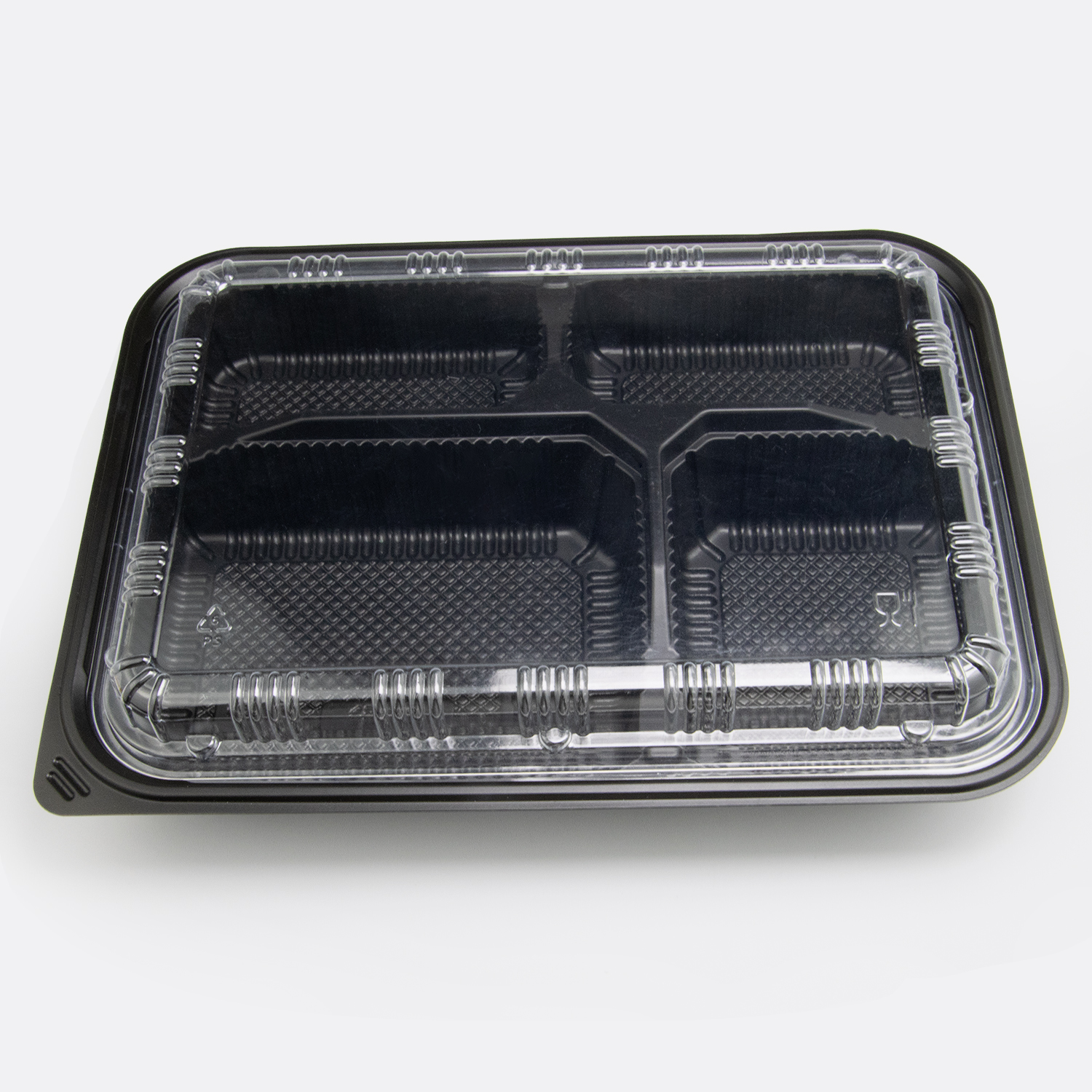
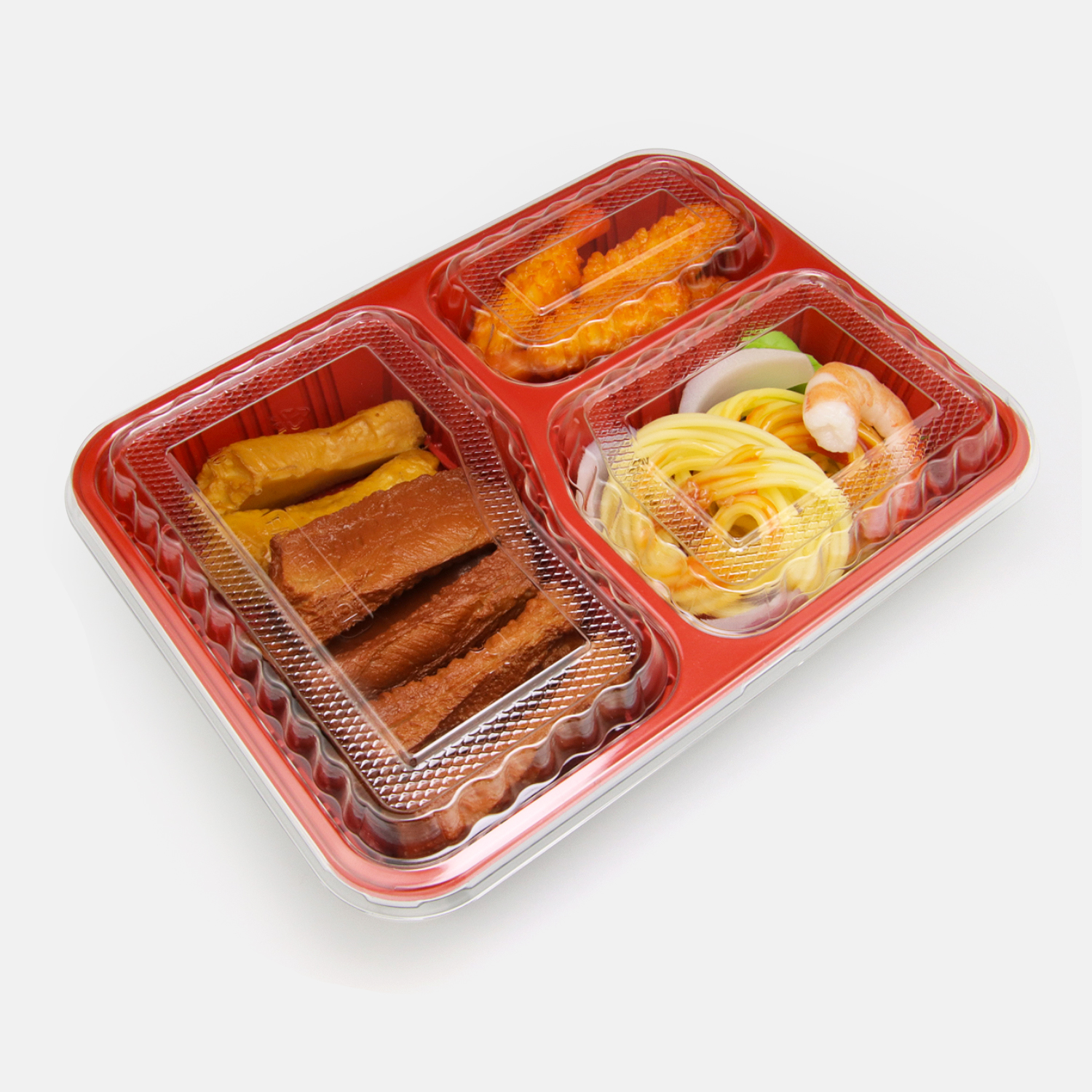
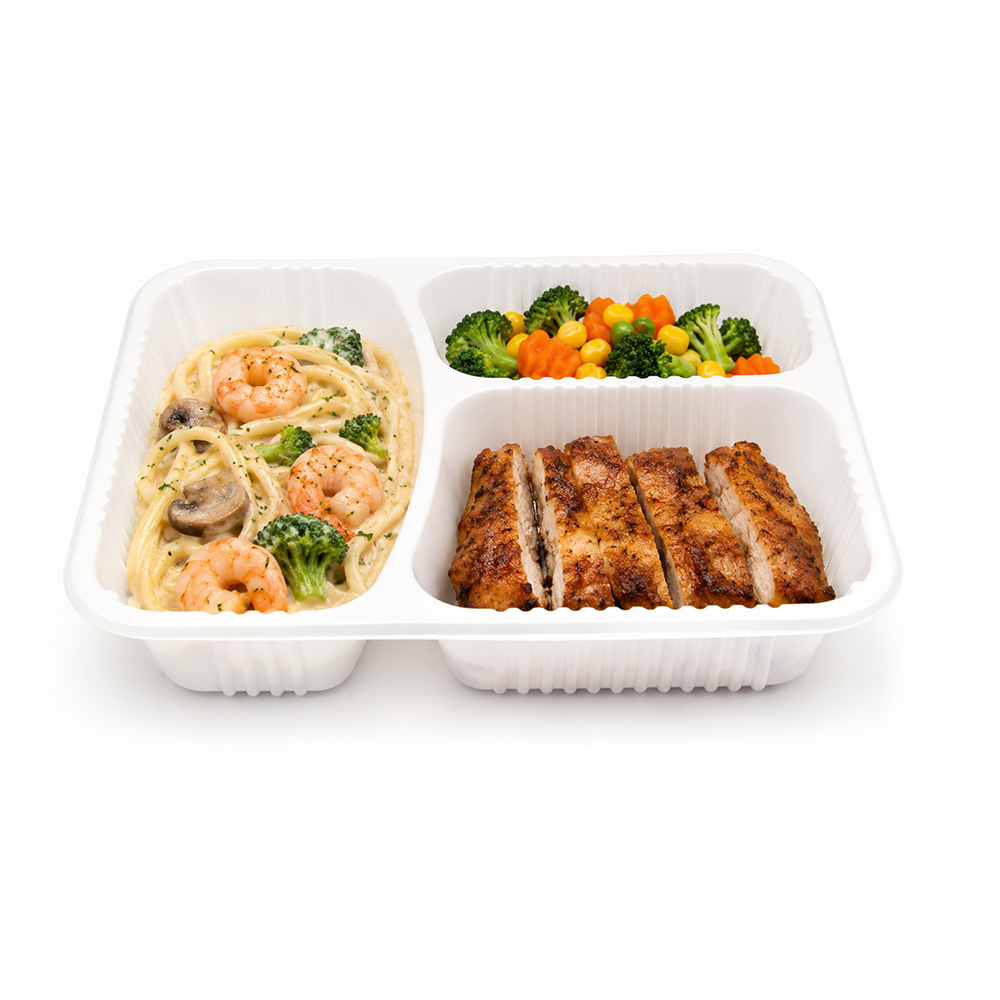
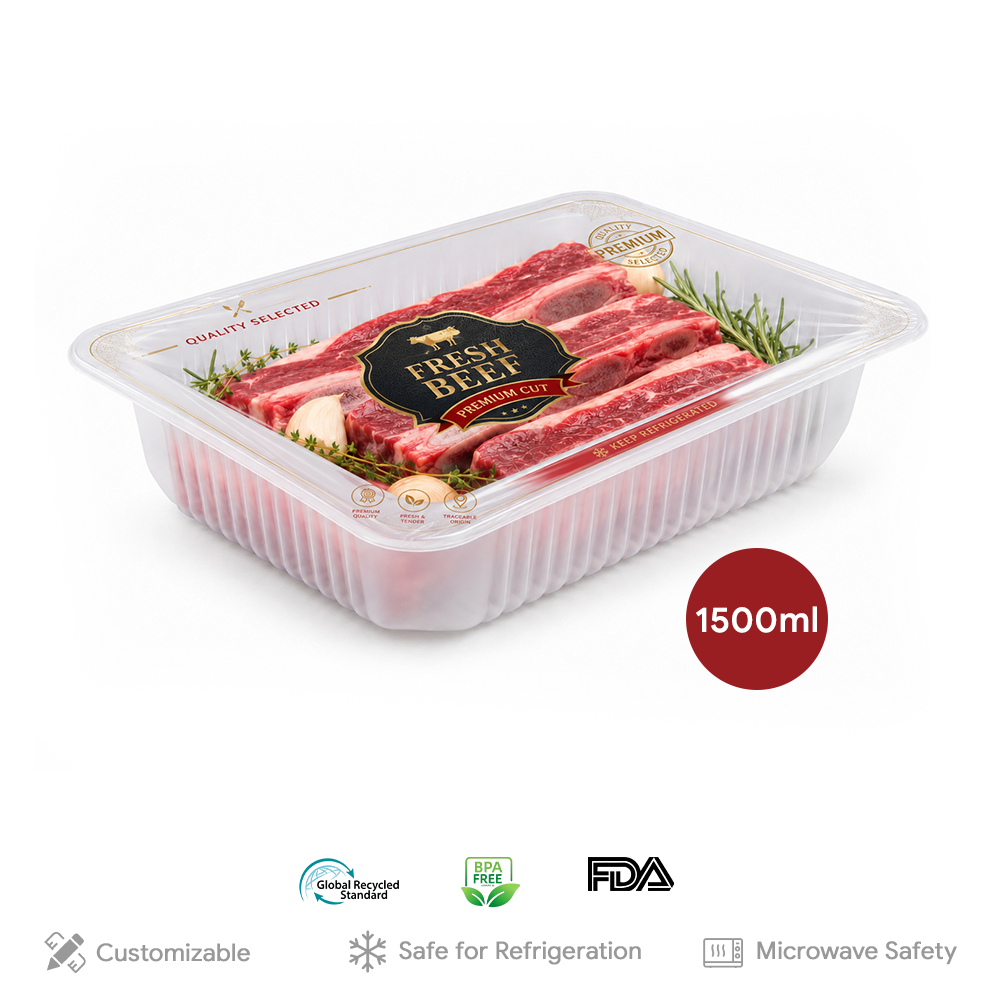
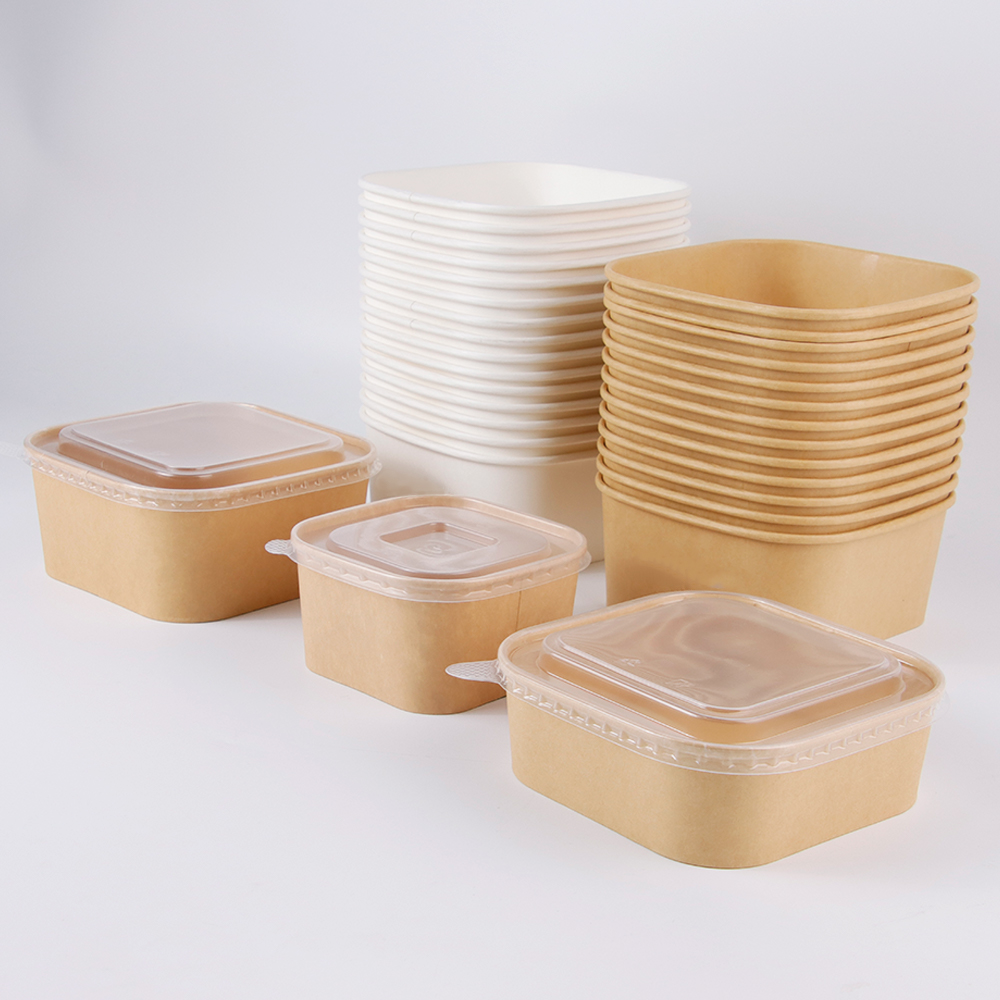
When selecting plastic bottle packaging for wholesale, several key factors should be considered. First, the type of plastic used is paramount;  options like PET, HDPE, and LDPE each  offer  different benefits in terms of durability, clarity, and  barrier properties. For instance, PET is commonly chosen for  its excellent clarity and strength,  making it  ideal for beverages, while HDPE is favored for its resistance to impact and moisture, suitable for household cleaners. Additionally, for food service applications, businesses often rely on various types of containers, such as Paper food takeout containers and Plastic food takeout containers.

Next, buyers should evaluate the bottle  specifications such  as size, shape, and  closure type. The dimensions of the bottle can affect shipping costs and storage efficiency, while the closure must ensure product  integrity and ease of use.  Additionally, consider the intended use of the  packaging; for example,  bottles for hot-fill applications require  specific thermal  resistance.

Lastly, customization options  are crucial. Many suppliers, including  XM XIEFA, offer tailored designs that can enhance brand visibility and meet unique customer requirements. Factors such as minimum order quantities (MOQ), production lead times,  and potential sample approvals should also be clarified before placing  an order.

Get a Free Quote

Our representative will contact you soon.
Email
Name
Company Name
Message
0/1000

Related product categories

Top Applications for Plastic Bottle Packaging in Various Industries

Top Applications for Plastic Bottle Packaging in Various Industries

Plastic bottle packaging serves a diverse range of applications across numerous industries. In the food and beverage sector, plastic bottles are extensively used for juices, soft drinks, and sauces due to their lightweight nature and ability to maintain product freshness. Moreover, food safety standards  necessitate that packaging materials be compliant  with regulatory requirements, which  adds another layer of consideration for buyers.

In the personal care and cosmetics industry, plastic  bottles are preferred for shampoos, lotions, and other liquids. The versatility of plastic allows  for various shapes and sizes, catering to  different market segments and enhancing shelf appeal. Additionally, the pharmaceutical  industry relies on  plastic bottles  for liquid medicines and supplements, where  factors such as child-resistance and tamper-evidence are critical.

Industrial  applications also benefit from plastic bottle packaging, where  chemicals and cleaning products  require robust  and safe containment solutions. Understanding the specific requirements of each application, including  chemical compatibility and  environmental  conditions, is  essential for selecting  the  appropriate packaging.
Where to Find Reliable Suppliers of Plastic Bottle Packaging

Where to Find Reliable Suppliers of Plastic Bottle Packaging

Finding a reliable  supplier for plastic  bottle packaging is essential to ensure quality  and consistency.  Buyers should start by  researching manufacturers with a proven track record  in the  industry. Trade shows, online directories, and industry associations can be valuable resources  for identifying reputable suppliers.

When evaluating potential suppliers, consider their manufacturing capabilities, including production capacity and quality control processes.  A supplier  like XM XIEFA, known  for its expertise in  food packaging, can provide insights into  material selection, design innovations, and compliance  with  industry regulations.

Additionally, request references or case studies from previous clients to gauge  the supplier's reliability and  customer service. It’s also  advisable to inquire about  their logistics capabilities, especially if international shipping is  involved, to ensure timely delivery of products.

Bulk Order Options for Cost-Effective Plastic Bottle Packaging

Bulk Order Options for Cost-Effective Plastic Bottle Packaging

Bulk ordering plastic  bottle packaging can lead to significant  cost savings, making it an attractive option for businesses looking to optimize their supply chain. Suppliers typically offer better  pricing on larger orders due to reduced production costs per unit. However, buyers should consider  their inventory management  practices to avoid overstocking.

When placing a bulk order, it’s  important to clarify the  MOQ  and any  associated discounts. Additionally, confirm lead times and shipping arrangements to  ensure that the products align with your production schedule. Many suppliers offer flexible ordering options, allowing businesses to adjust quantities based on demand fluctuations.

Buyers should also evaluate the  potential for customization in bulk orders, as  having  unique  designs or features can  enhance brand recognition and customer loyalty. It’s advisable to discuss  these options with suppliers  to identify  the best approach for  your  specific needs.

Common Problems with Plastic Bottle Packaging and Their Solutions

While plastic bottle packaging  offers numerous advantages, it is not without  its challenges. Common  issues include leaks, contamination, and compatibility problems with various products. For instance, poor sealing can lead to leaks, compromising the product’s integrity. To mitigate this risk, ensure that the selected closure type is compatible with the  bottle design and  intended use.


Contamination  can occur if bottles are not properly cleaned or if materials  are unsuitable for the contents. Buyers should confirm that manufacturers adhere to stringent  quality control processes and that materials meet food safety standards when applicable. Regular quality  inspections and testing of samples can help catch  potential issues before mass production.

Another common problem is the environmental  impact of plastic packaging. To address this, businesses can explore options for biodegradable plastics or recycled  materials, which many suppliers are beginning to offer. By staying informed about advancements in sustainable  packaging solutions,  buyers can make  environmentally responsible choices that also resonate with consumers.

Selecting the right plastic  bottle packaging involves careful consideration of various factors, including material properties, application suitability, supplier reliability, and potential issues. By following  the guidance outlined, B2B buyers can  confidently approach their packaging needs, ensuring they choose solutions  that meet their specific requirements and enhance their overall product offerings.