Choosing Food Sealers for Wholesale Applications

Contact Sales

Talk To Our Expert

Talk To Our Expert

Name
Email
Mobile
Message
0/1000

food sealers vacuum packing machine

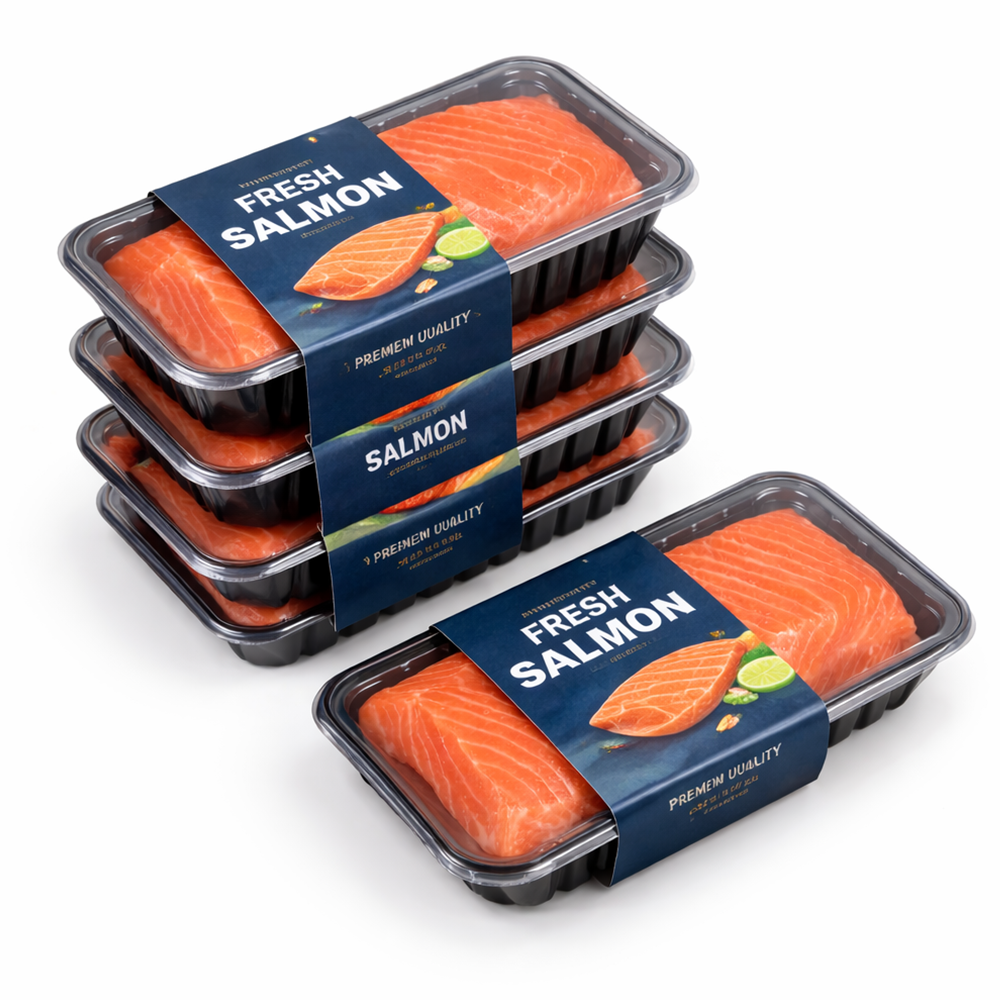
In the realm of food  packaging, food sealers vacuum packing machines play  a  crucial role in  preserving food  quality by removing air and  sealing products  in airtight  packaging. These  machines are essential for businesses in retail,  food service, and hospitality, as they  help extend shelf life and maintain freshness. B2B buyers often  seek  information about  product specifications, cost factors, and  installation guidelines to  make informed purchasing decisions. This article aims to  provide valuable insights into choosing the right food  sealers,  evaluating key specifications, understanding cost considerations, and sourcing effectively from suppliers.
 

Our Products

Choosing the Right Food Sealers for Wholesale Applications

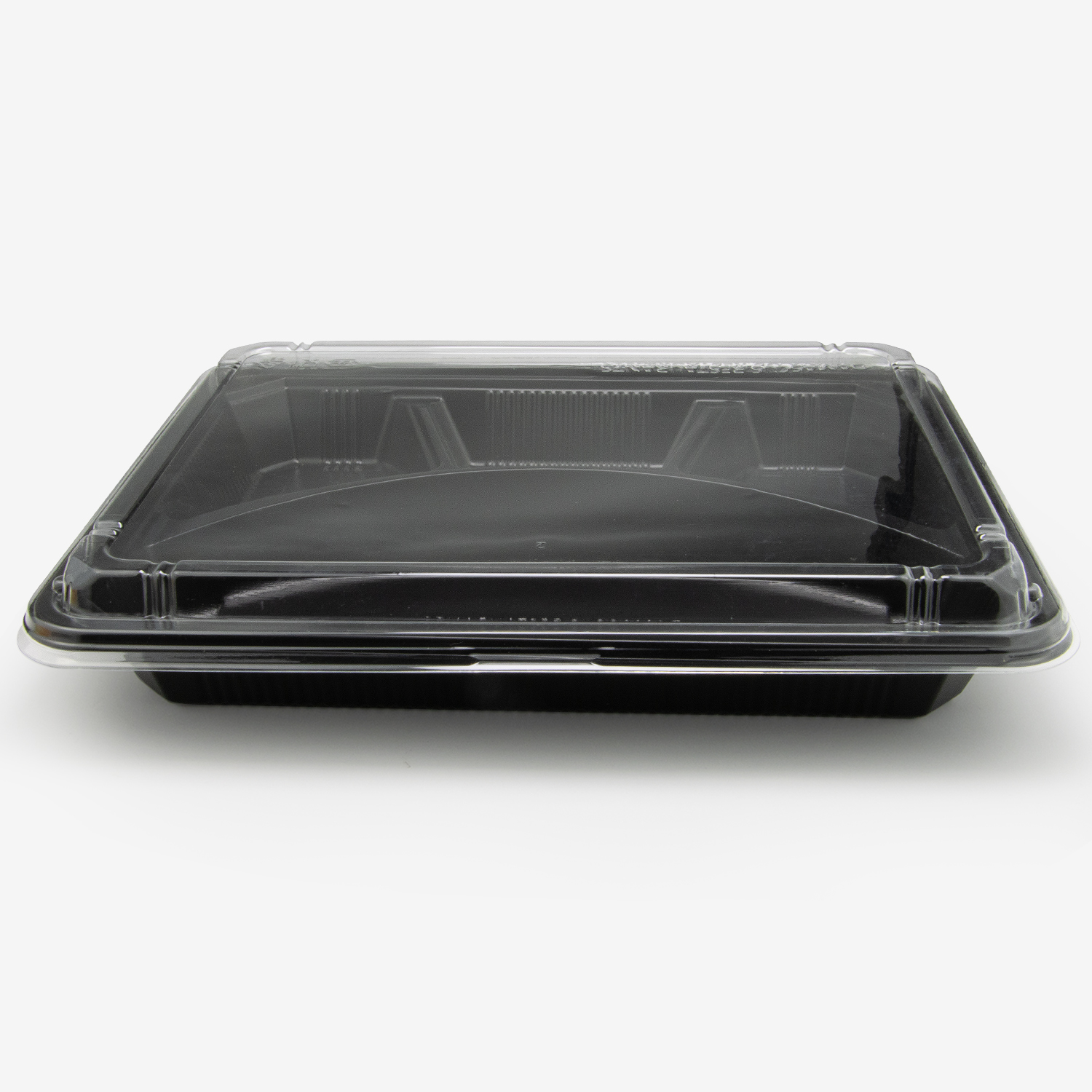
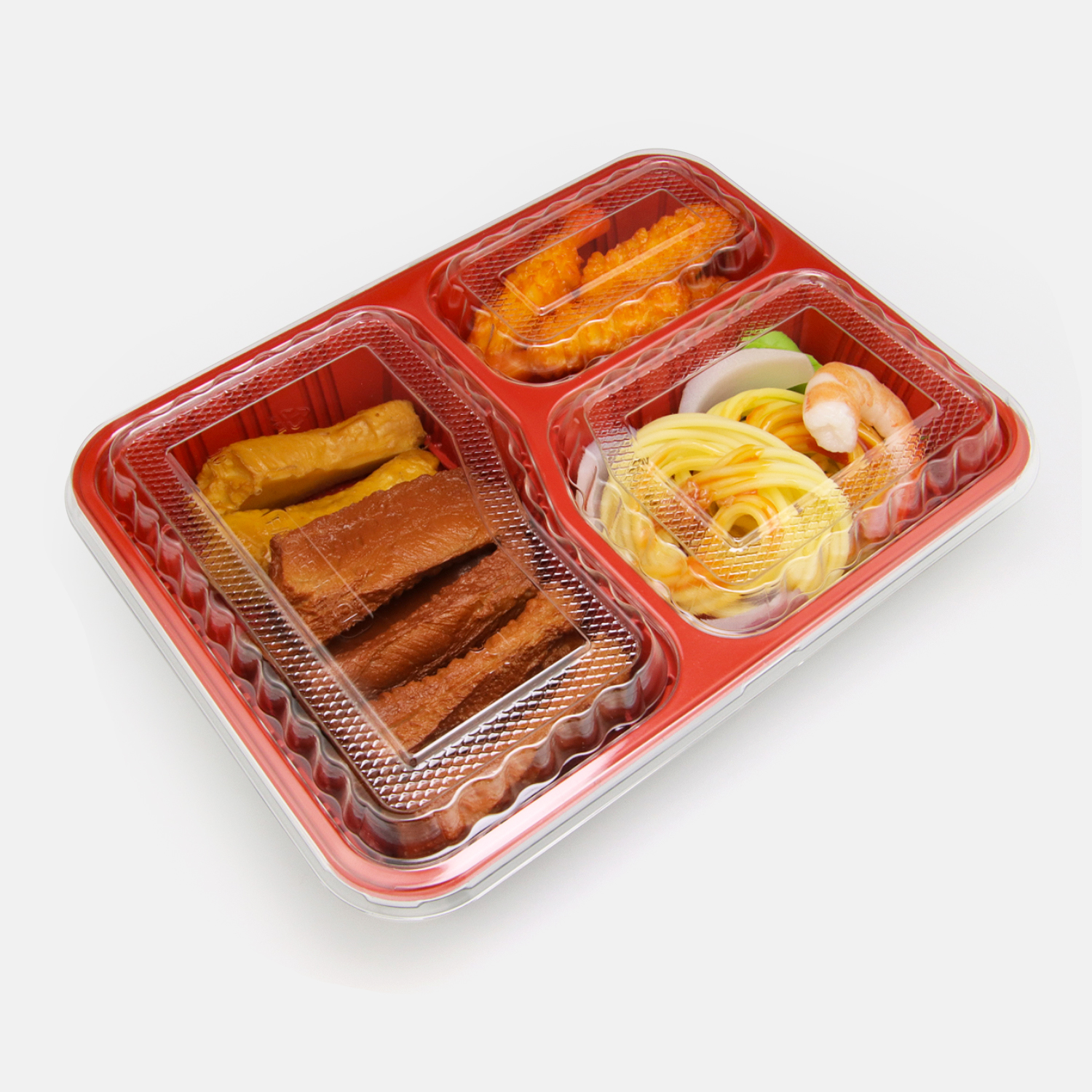
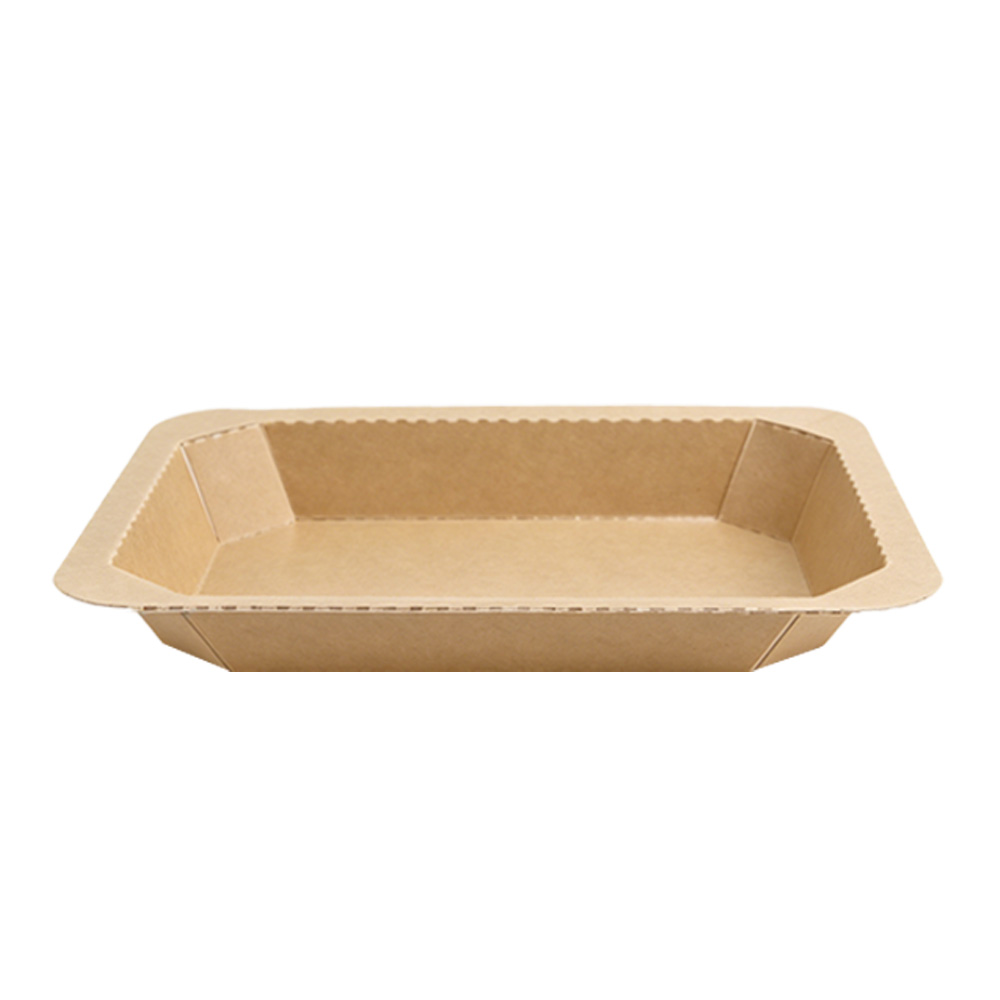
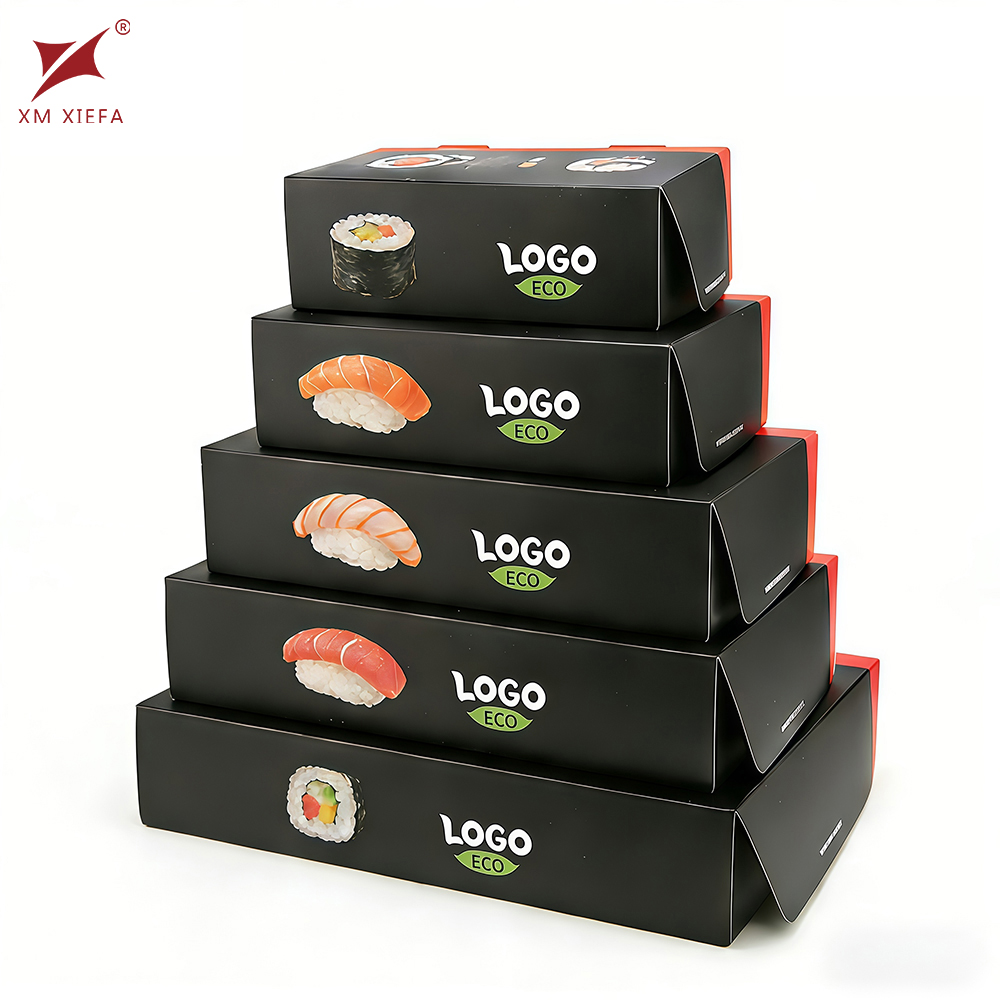
When selecting food  sealers vacuum  packing machines  for wholesale applications, it is essential to consider the  specific  needs of your business. Factors such as the type of food being packaged, expected volume, and packaging goals must guide  your choice. For instance,  businesses dealing with  perishable items  like meat and  seafood should opt for machines that provide  robust  sealing capabilities  and high barrier properties to prevent spoilage. Additionally, businesses might also consider using paper food takeout containers for items that require eco-friendly packaging solutions.

Additionally, consider the machine's speed and efficiency. High-throughput environments may require industrial-grade machines that can handle continuous operation without  overheating. Furthermore, assess whether the machine  is suitable for  various  bag sizes and materials,  which can enhance your packaging flexibility. Understanding  your target market's  requirements will enable you to select a sealer that meets your operational demands effectively.

Get a Free Quote

Our representative will contact you soon.
Email
Name
Company Name
Message
0/1000

Related product categories

Key Specifications to Evaluate in Vacuum Packing Machines

Several key specifications should be  evaluated when assessing  food sealers vacuum packing machines.

Seal Width: The seal width affects the strength and durability of the seal.  A wider  seal (typically 3mm to 5mm)  is preferable for heavy-duty applications, ensuring an  airtight seal that withstands  transport and storage conditions.

Vacuum Level: The vacuum level is critical  for extending shelf life. Machines should allow for  adjustable vacuum settings, which can accommodate different  food  types and moisture levels. For instance, delicate  items like fruits may require a gentle vacuum to prevent crushing.

Material Compatibility: Different machines accommodate various bag materials, including polyethylene, nylon,  and laminated films. Ensure  the machine you choose is compatible with the materials you intend  to use, including plastic food takeout containers for added versatility.

Control Features: Advanced machines often come with digital controls that allow for precise settings, enabling users to select sealing time, vacuum duration,  and cooling time. These features can enhance operational efficiency and product quality.

Hygiene Standards: Look for machines that comply with food  safety regulations and standards. Certifications such as  CE or FDA approval are indicators of a machine's suitability for food packaging.

By carefully evaluating these specifications, buyers can select vacuum  packing machines that align with their operational needs and  ensure product integrity.

Understanding Cost Factors for Bulk Orders of Food Sealers

When considering bulk orders of food sealers vacuum packing machines,  various cost factors come into play.  These include:

Machine Specifications: Higher quality machines with advanced features tend to have a higher purchase price.  Buyers should weigh the upfront costs against the long-term benefits of improved efficiency and  reduced waste.

Customization: Customization options, such as specific dimensions or additional features tailored to your application, can significantly affect pricing. Ensure you discuss any unique requirements with the supplier to receive an  accurate quote.

Quantity Discounts: Bulk purchases often qualify for discounts. It is advisable to negotiate with manufacturers or suppliers  regarding pricing structures for large orders, as this can lead to significant savings.

Shipping and  Handling: Consider the  logistics of shipping, which can add to overall  costs. Factors such  as distance,  weight, and packaging can influence shipping fees. Collaborating with a supplier who has efficient logistics can  mitigate  these expenses.

Maintenance and Operating Costs: Ongoing costs associated with maintenance, parts replacement,  and operational energy consumption  should also be factored into the total cost of ownership. Machines that are easy to  maintain and energy-efficient  can lead  to  lower long-term costs.

Understanding these cost factors will help buyers make informed decisions and effectively manage their  procurement budgets.

Installation Guidelines for Efficient Vacuum Packing Machines

Proper installation of food sealers vacuum packing machines  is crucial for optimal  performance.  Here are essential guidelines to follow:

Location: Choose a location that provides adequate space  for the machine and allows  for easy access for operators and maintenance personnel. Ensure the  area is clean  and meets hygiene  standards.


Power Supply: Verify that the electrical supply meets the  machine's requirements. Machines typically require  stable voltage, so  it may be  necessary to consult with an electrician to ensure compliance.

Setup Instructions: Follow the manufacturer's installation guidelines  carefully. This may include instructions on connecting  hoses, adjusting settings, and calibrating the  machine for optimal  performance.

Testing: After installation, conduct thorough testing to ensure the machine operates correctly. Check for consistent vacuum levels and sealing quality. This step is essential to prevent issues during production.

Training: Provide training for operators on how to use  and maintain the machine effectively. Proper training can reduce errors  and increase efficiency, leading to better overall performance.

By adhering to these installation guidelines, businesses can ensure their vacuum packing machines  operate efficiently, leading to improved productivity and product quality.

Expert Tips for Sourcing Food Sealers for Distribution

When sourcing food sealers vacuum packing machines for distribution, consider the  following  expert tips:

Research Suppliers:  Conduct thorough research  to identify  reputable suppliers. Look for manufacturers with a proven track record in the food packaging industry, such as XM XIEFA, known for innovative and cost-effective solutions.

Request Samples: Before making  a bulk purchase, request samples or demonstrations of the machines. This allows you to assess performance and compatibility with your packaging  needs.

Evaluate Warranty  and Support: Inquire about warranty terms and after-sales support. A robust warranty can provide  peace of mind, while responsive customer service can  help address any operational  issues that arise.

Visit Manufacturing  Facilities: If possible, visit the supplier's manufacturing facilities to evaluate their production processes and quality control measures. This firsthand observation can provide insights into  their operational standards.

Network with Industry Peers: Engage with industry peers and attend trade shows to  gain insights  into the latest trends and technologies in food packaging. Networking can also  lead to valuable recommendations for suppliers.

By following these sourcing  tips, buyers can  enhance their procurement process, ensuring  they select the right food sealers vacuum packing machines for their distribution  needs.