Essential Guide to Plastic Serving Trays with Covers

Contact Sales

Talk To Our Expert

Talk To Our Expert

Name
Email
Mobile
Message
0/1000

plastic serving trays with covers

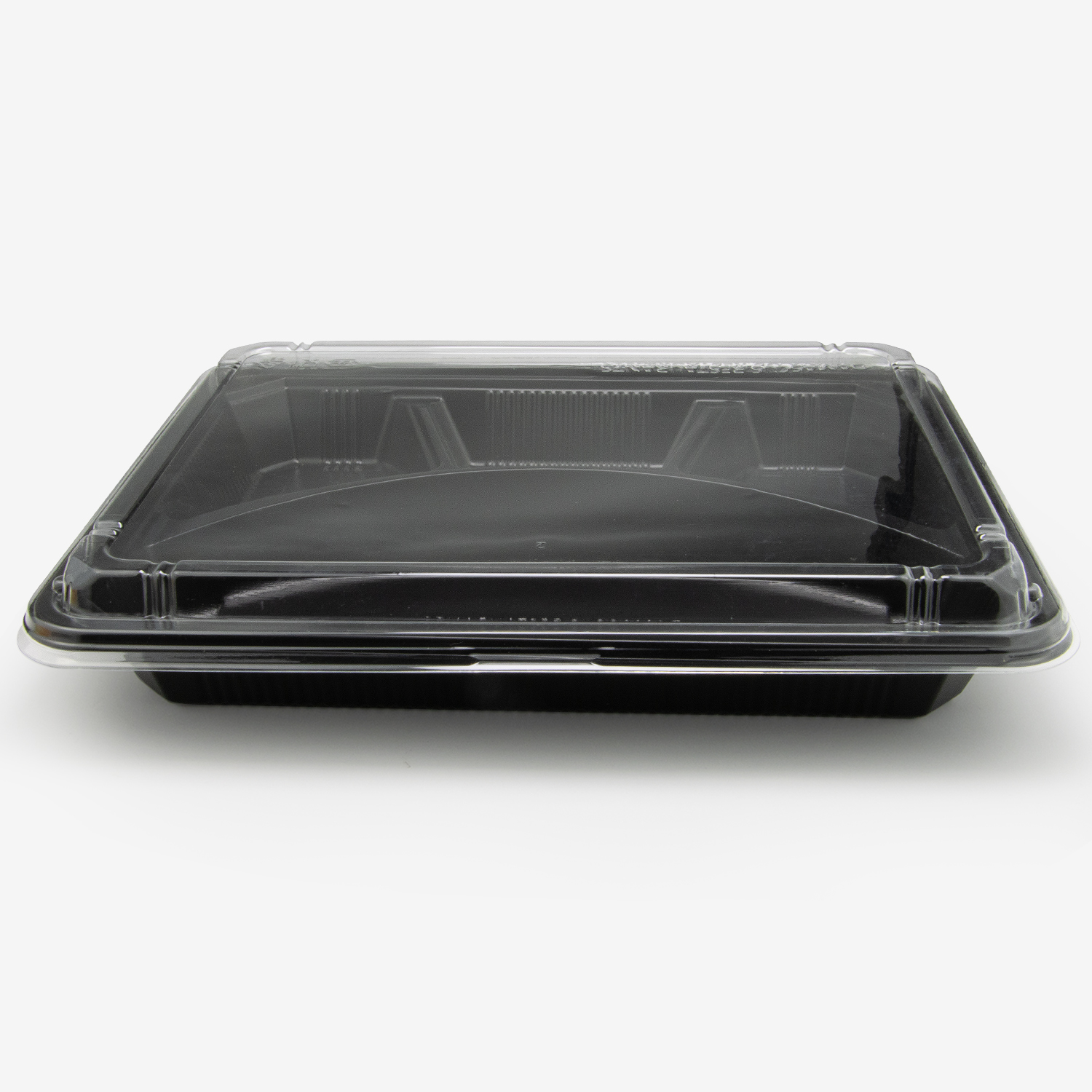
Plastic serving trays with covers are essential  tools for various  businesses  in the food service and hospitality industries. They provide an effective  solution for  transporting, displaying,  and protecting food  items.  However, selecting the  right plastic serving trays  can be challenging for purchasing  managers and  food  service operators due to concerns about  quality,  cost, and functionality. This  article will  guide you through evaluating  the quality, understanding cost factors,  exploring applications, addressing  common problems, and delving into the manufacturing insights of plastic serving trays with covers.
Our Products

How to Evaluate the Quality of Plastic Serving Trays for Your Business

Evaluating the quality of plastic serving trays  starts  with understanding the materials used in their construction. Common  materials include polypropylene  (PP) and polycarbonate, both known for their durability and  resistance to cracking. When assessing quality, consider the thickness of the tray; thicker trays typically offer better structural integrity and can withstand more weight without bending or breaking.

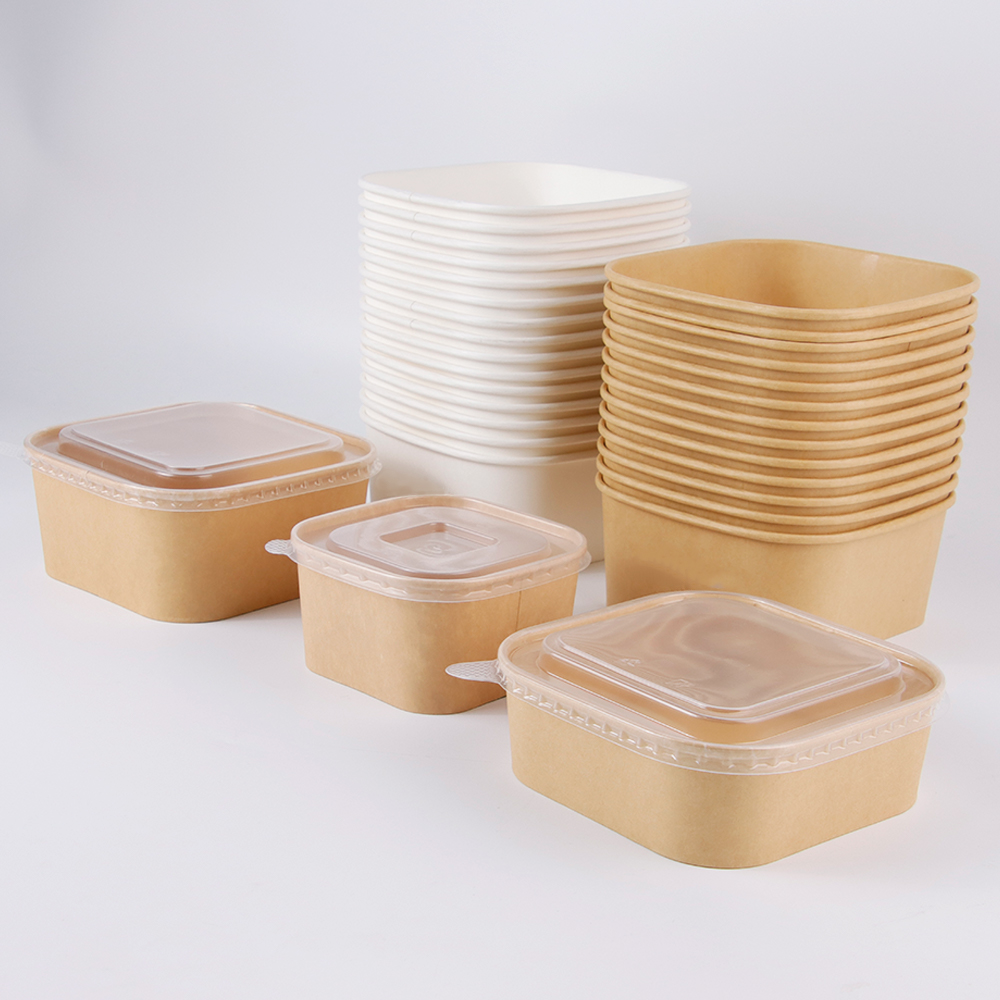
It's also essential to examine the design features of  the trays. Look  for trays with reinforced edges and non-slip surfaces, which enhance usability in busy environments. Additionally, check for any certifications the product may have, such as FDA compliance for food safety, which  assures buyers that  the materials used are safe for food contact. A  thorough  inspection  of  samples before placing  bulk  orders can help verify  these quality aspects  and  confirm that  the trays meet  your specific operational needs. For instance, you might consider the Factory wholesale food-grade EVOH paper trays for disposable packaging for their proven quality and functionality.

Get a Free Quote

Our representative will contact you soon.
Email
Name
Company Name
Message
0/1000

Related product categories

Cost Factors When Purchasing Plastic Serving Trays in Bulk Orders

Cost Factors When Purchasing Plastic Serving Trays in Bulk Orders

When it comes  to  purchasing plastic serving trays in  bulk, several cost factors play a crucial role. The unit price is typically lower  when buying in larger quantities; however, it’s important to consider additional  costs that may arise.  Shipping fees  can vary significantly based on tray  dimensions and weight, so understanding freight costs is essential for accurate budgeting.

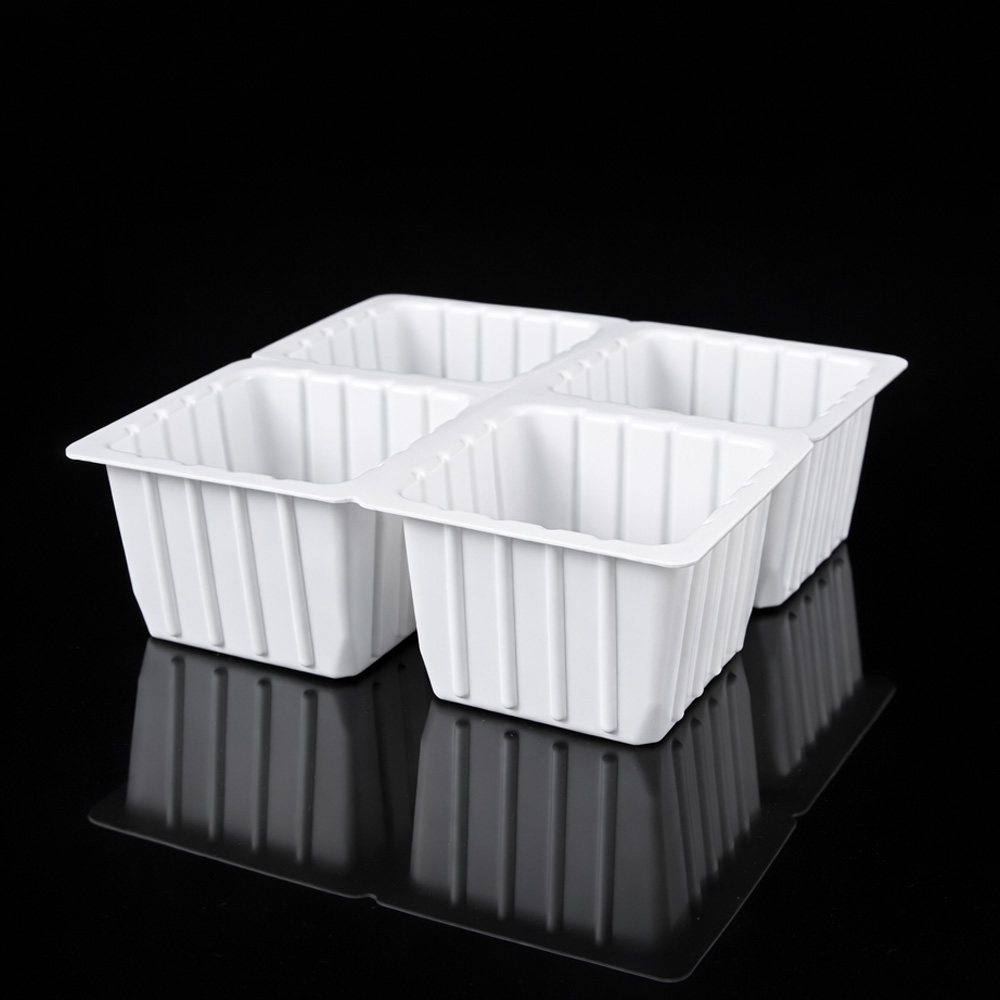
Customization options, such as printing  logos or using specific colors,  may also affect pricing. Custom designs often require additional setup fees, which can increase the overall cost  per unit. Moreover, consider the long-term value of the trays. Investing in higher-quality products may result in lower replacement costs over time, as they are  less likely  to  crack or warp  after  repeated use. For example, Customized wholesale 15-compartment white PP dumpling tray packaging offers excellent customization options that can enhance your brand's presentation.

Lastly, check the minimum order quantities (MOQs) set by suppliers. Some manufacturers may have strict  MOQs  that could  impact your purchasing decisions, especially if  your business has varying demand levels.
Applications of Plastic Serving Trays with Covers in Food Service Industries

Applications of Plastic Serving Trays with Covers in Food Service Industries

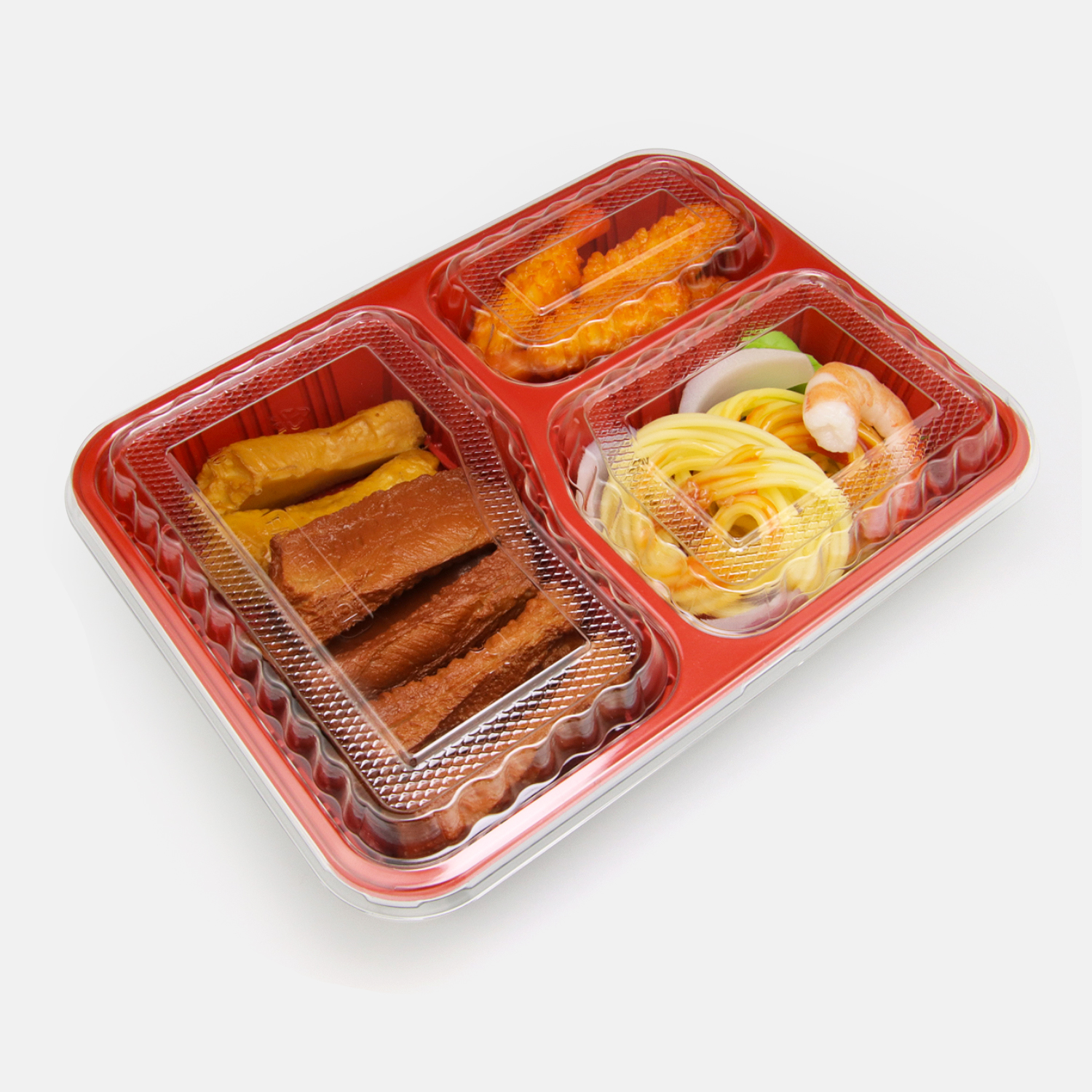
Plastic serving trays with covers  are versatile  and find applications across  various sectors  within the food service industry. In restaurants and catering services, they are often  used for buffet-style  presentations, allowing customers to see and choose  from multiple food options while keeping items protected from contamination.

In  institutional settings like schools and hospitals, these trays facilitate  the safe transport  of  meals from kitchens to  dining areas. The covers help maintain temperature and prevent spillage,  ensuring food arrives  in optimal condition. Additionally, their lightweight nature makes  them easy  for staff to handle,  improving efficiency during service.

Another application is in food  delivery services,  where trays with covers keep food items secure during transit. This functionality is especially important for maintaining quality and presentation, leading to  higher customer satisfaction.

Common Problems with Plastic Serving Trays and Effective Solutions

Common Problems with Plastic Serving Trays and Effective Solutions

Despite their benefits,  plastic serving  trays can encounter various issues that may affect their performance. One common problem is warping, which can occur due to exposure to  high temperatures, particularly in dishwashers or hot food items.  To  mitigate this, it is advisable to  select high-quality  trays made from heat-resistant materials  like polycarbonate.

Another issue is scratching, which can compromise the appearance  of the trays over time. Using trays with scratch-resistant  coatings or treating them with care during cleaning can help maintain their  aesthetic  appeal. Additionally, ensure that proper cleaning protocols are followed, as  abrasive materials can cause surface damage.

Lastly, some users may find  that  trays do not stack  well, leading to storage  issues. Choosing  trays designed with stacking  capabilities can provide a more efficient storage solution,  saving space in busy kitchens or service areas.

Technical Insights into the Manufacturing of Plastic Serving Trays with Covers

The  manufacturing process of  plastic serving trays typically involves injection molding, a method that allows for precise shaping and consistency in product output. In this process, heated plastic is injected into a mold, cooling to create the  desired tray shape. This method ensures that each tray meets the specified dimensions and quality standards.

Materials play a significant role in the  production  efficiency and final product quality. For example, choosing  high-grade polypropylene or polycarbonate can  enhance the  trays' durability and resistance to impact. Manufacturers should also adhere to strict quality control processes throughout production, including regular  inspections of raw materials and finished products to maintain  consistency.

Furthermore, customization capabilities can significantly enhance the product offering. Manufacturers  like XM XIEFA can  work with clients to develop  custom  designs that meet specific  branding or functional requirements, using advanced production techniques to ensure that these custom trays still  meet quality and safety standards. Consider options like the White sealable PP tray box with anti-slip stripes, suitable for supermarkets for a reliable choice.

By  understanding these aspects of  manufacturing, buyers can make informed decisions when selecting a  supplier that aligns with their quality expectations  and operational needs.