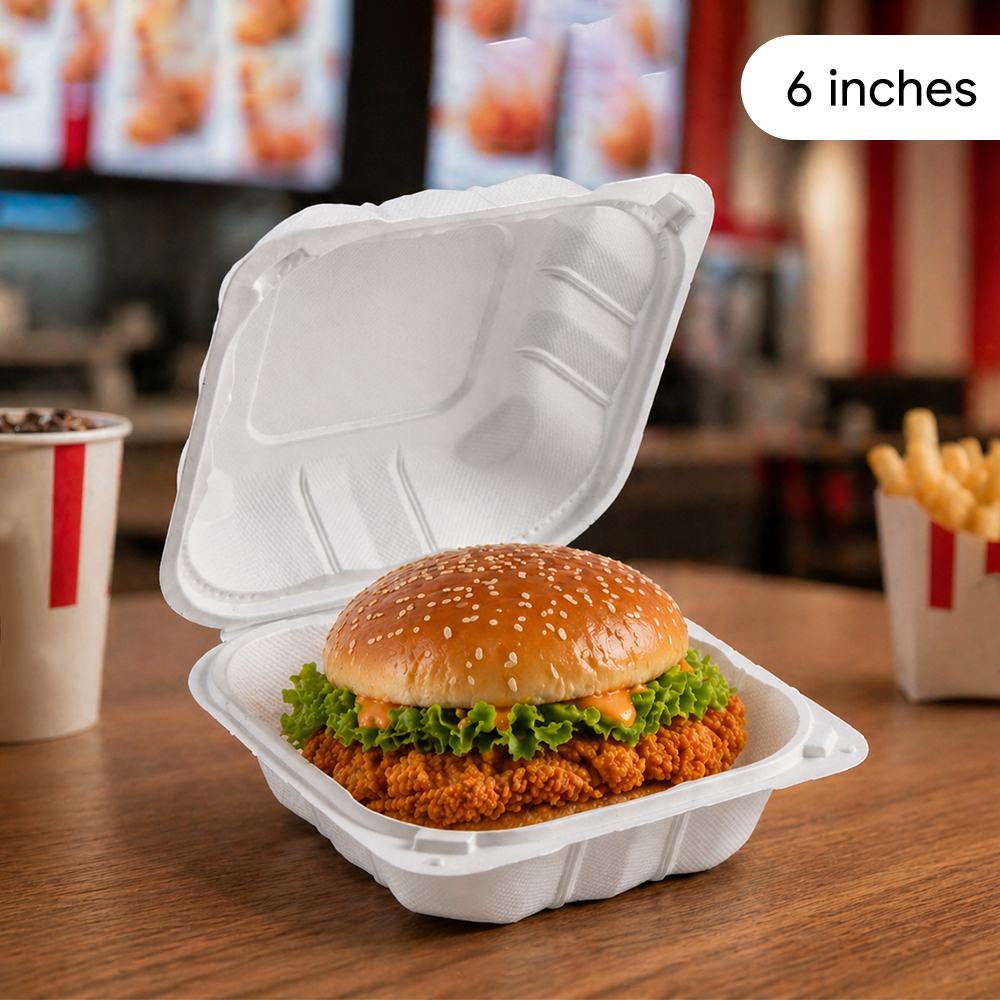
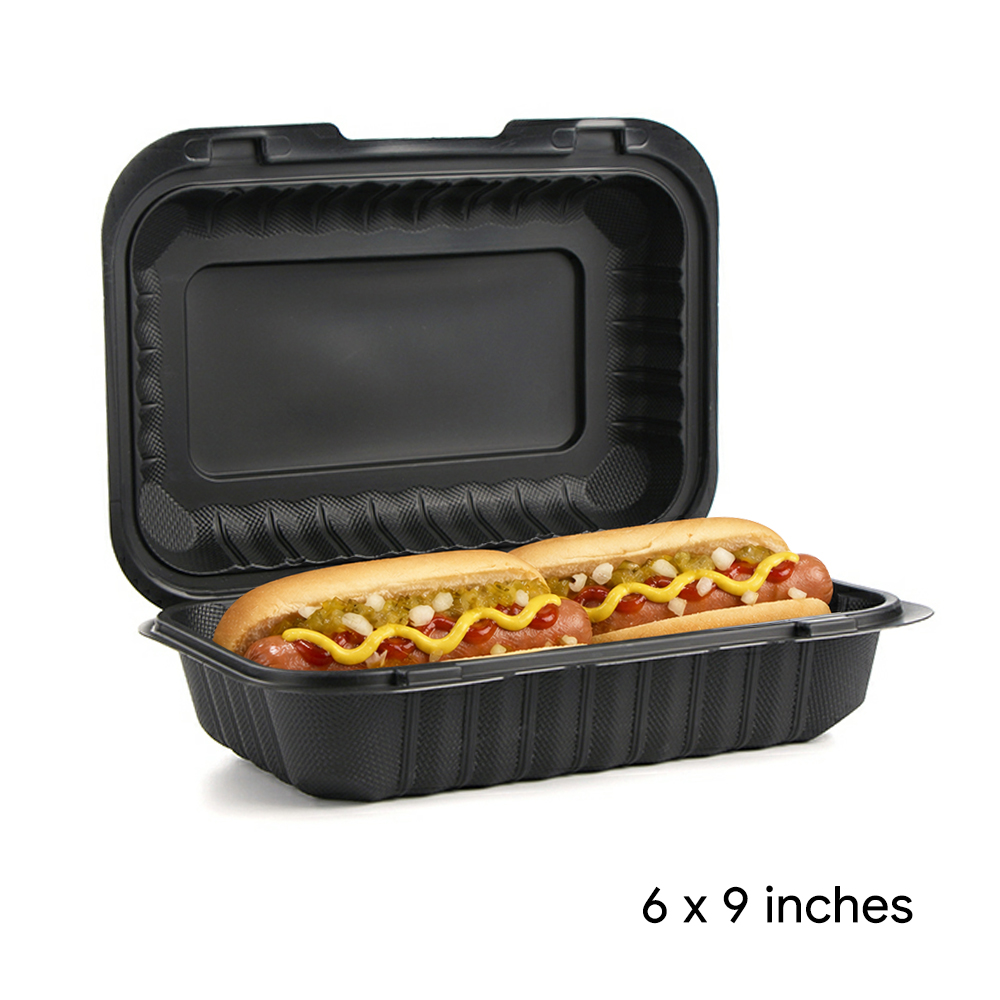
Plastic serving platters with lids are essential tools for food service operations, offering convenience and protection for various culinary presentations. In the competitive landscape of B2B food packaging, purchasing managers and distributors face critical concerns such as material durability, cost efficiency, and application suitability. This article will guide you through the process of selecting the right plastic serving platters with lids for your wholesale needs, detailing key specifications, cost factors, installation guidance, and their applications in the food service industry.
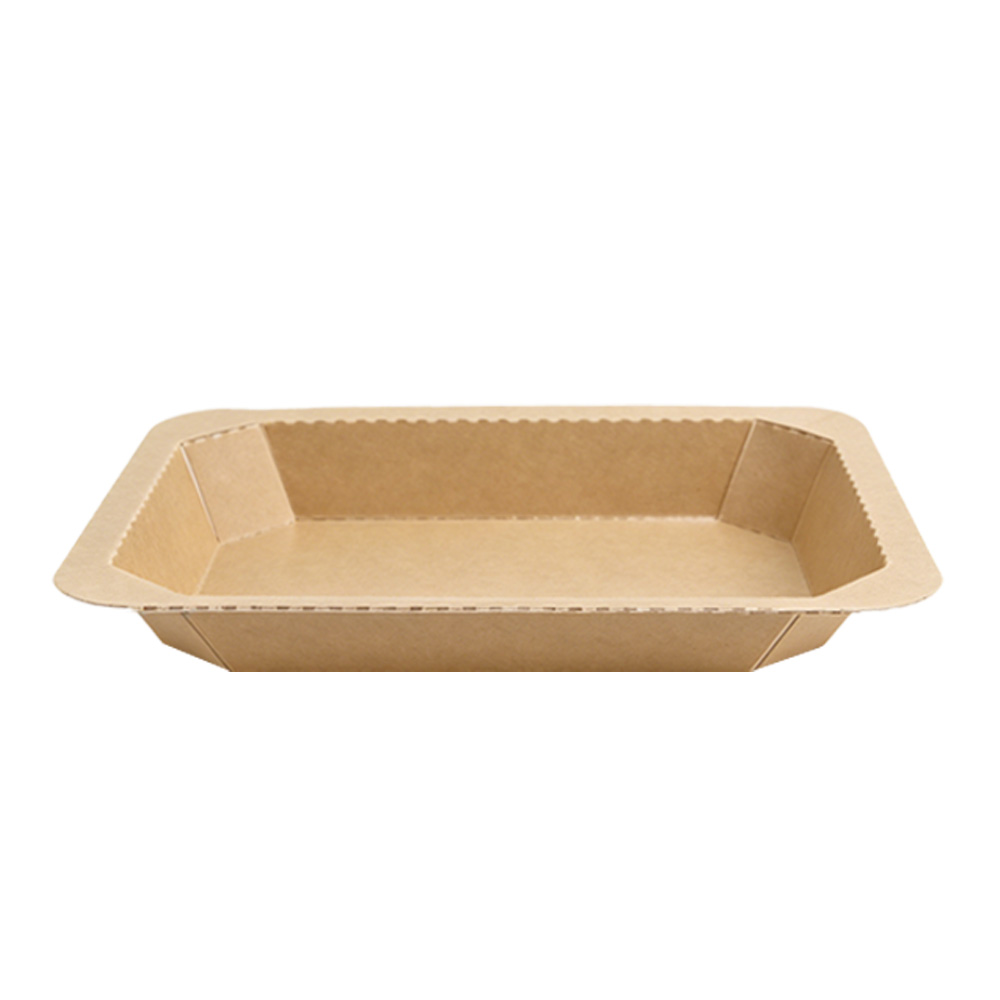
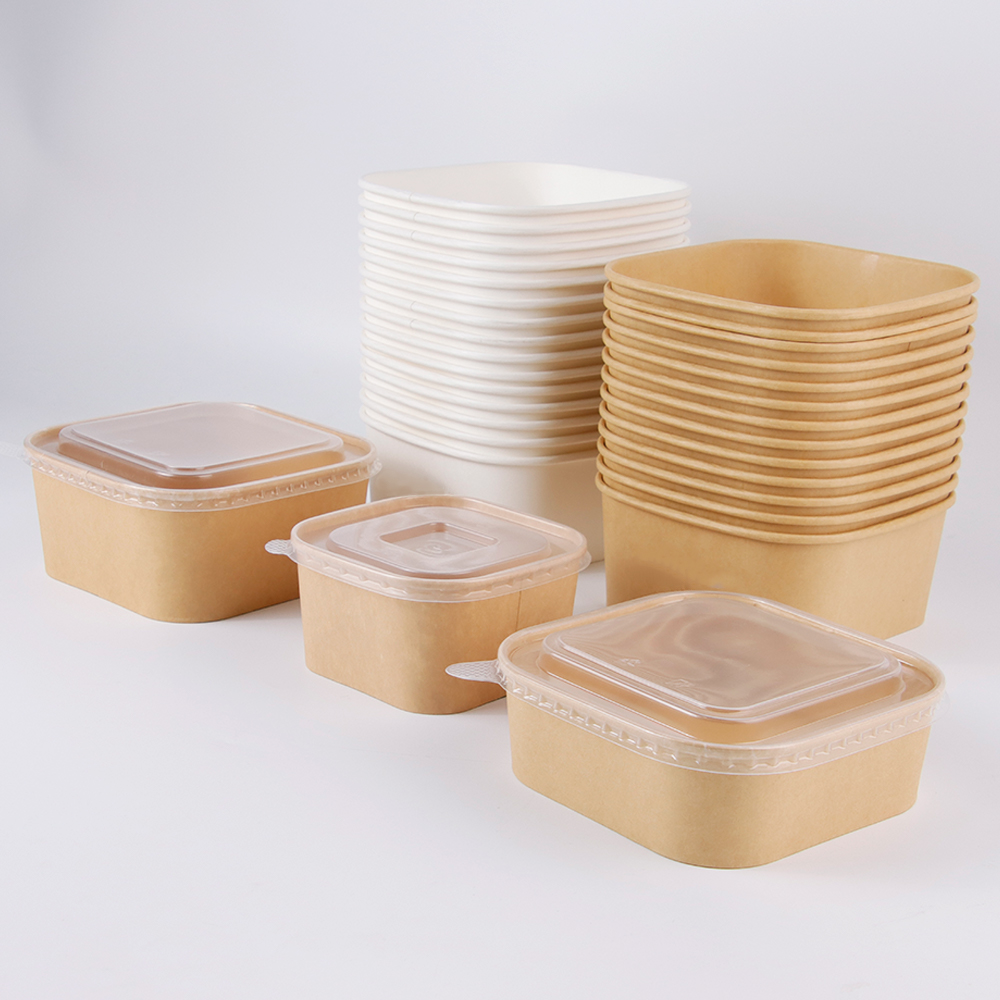
Essential Specifications for Plastic Serving Platters with Lids
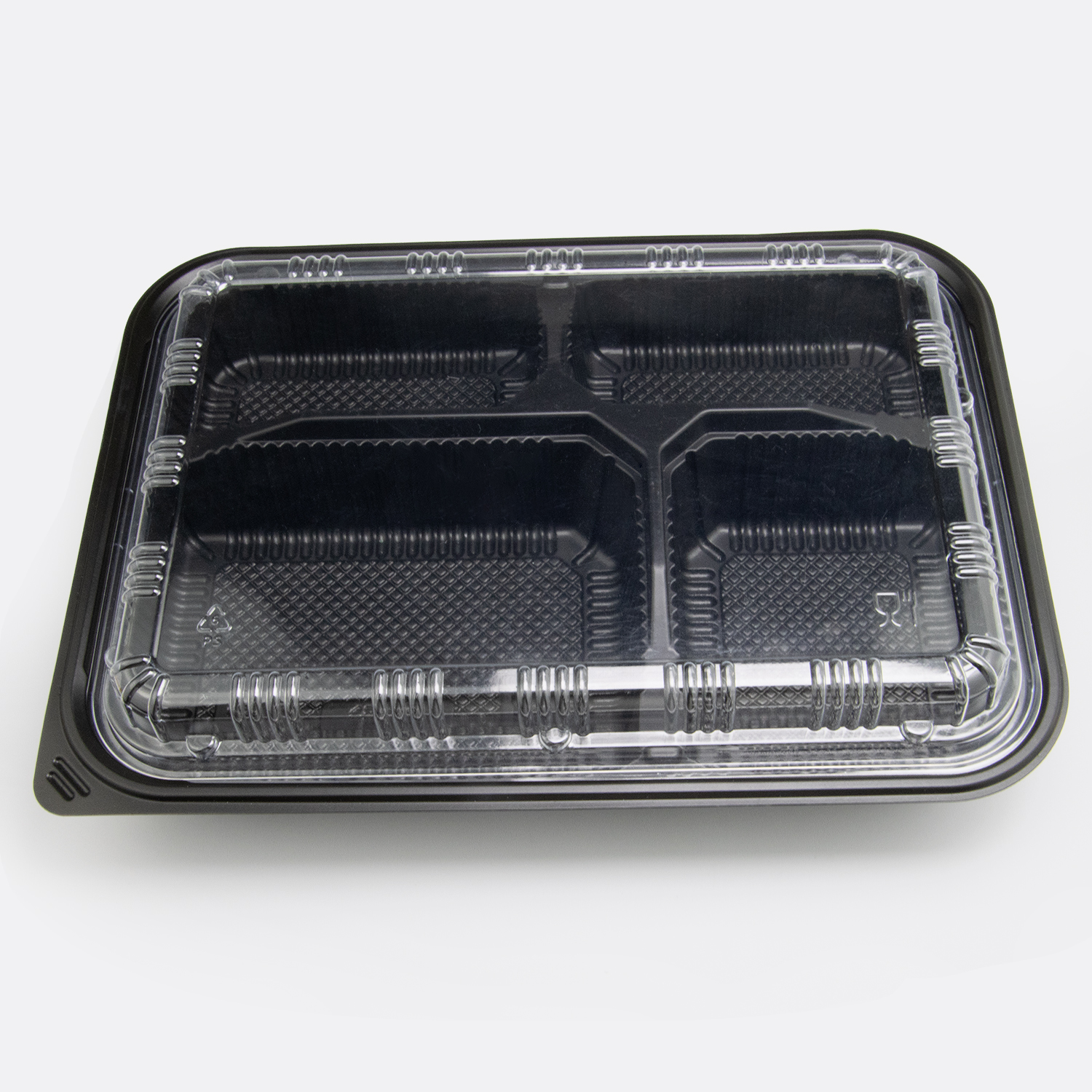
When examining plastic serving platters with lids, several specifications are critical to ensuring they meet your operational needs:
Material Thickness: The thickness of the plastic affects the platter's durability and load-bearing capacity. Thicker materials typically provide better strength and resistance to cracking, especially when transporting heavier food items.
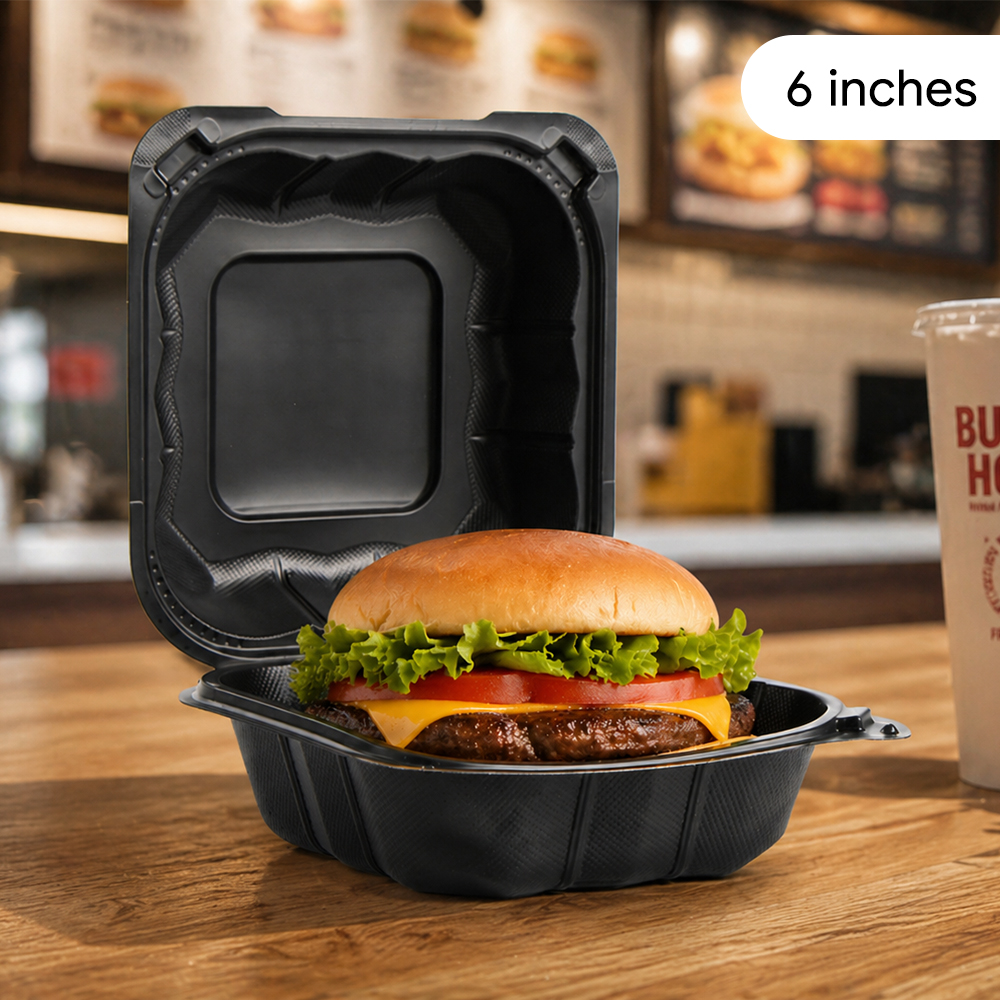
Dimensions: Size is paramount for effective presentation and service. Ensure the dimensions align with your serving requirements—platters that are too small may lead to overflow, while excessively large platters can be cumbersome.
Lid Design: A well-fitting lid is essential for maintaining food freshness and preventing contamination. Look for lids that seal securely but can be easily removed, as ease of use is vital in fast-paced food service environments.
Weight Capacity: Consider the maximum weight the platter can hold without bending or breaking. This is particularly important for catering and buffet services where food items can vary significantly in weight.
Understanding these specifications will help ensure that the plastic serving platters with lids you choose are suitable for your specific applications and can withstand the demands of your food service operations.