Greaseproof paper for food packaging is an essential material widely used in the food service and retail industries. As a B2B buyer, your primary concerns likely include the paper's barrier properties, durability, cost-effectiveness, and compliance with food safety standards. This article will provide you with detailed insights into greaseproof paper, covering its key specifications, cost factors, common problems, best applications, and installation guidance, ensuring that you make informed purchasing decisions.
Cost Factors to Consider When Purchasing Greaseproof Paper
The cost of greaseproof paper can vary significantly based on several factors. Here are key considerations that can impact pricing:
Material Quality: Higher-quality greaseproof papers generally cost more due to better barrier properties and durability. While it may be tempting to choose the least expensive option, consider the potential costs associated with product failure, such as food spoilage or customer dissatisfaction.
Order Quantity: Many suppliers offer tiered pricing based on order volume. Larger orders typically result in lower per-unit costs, making it beneficial to consolidate purchases whenever possible.
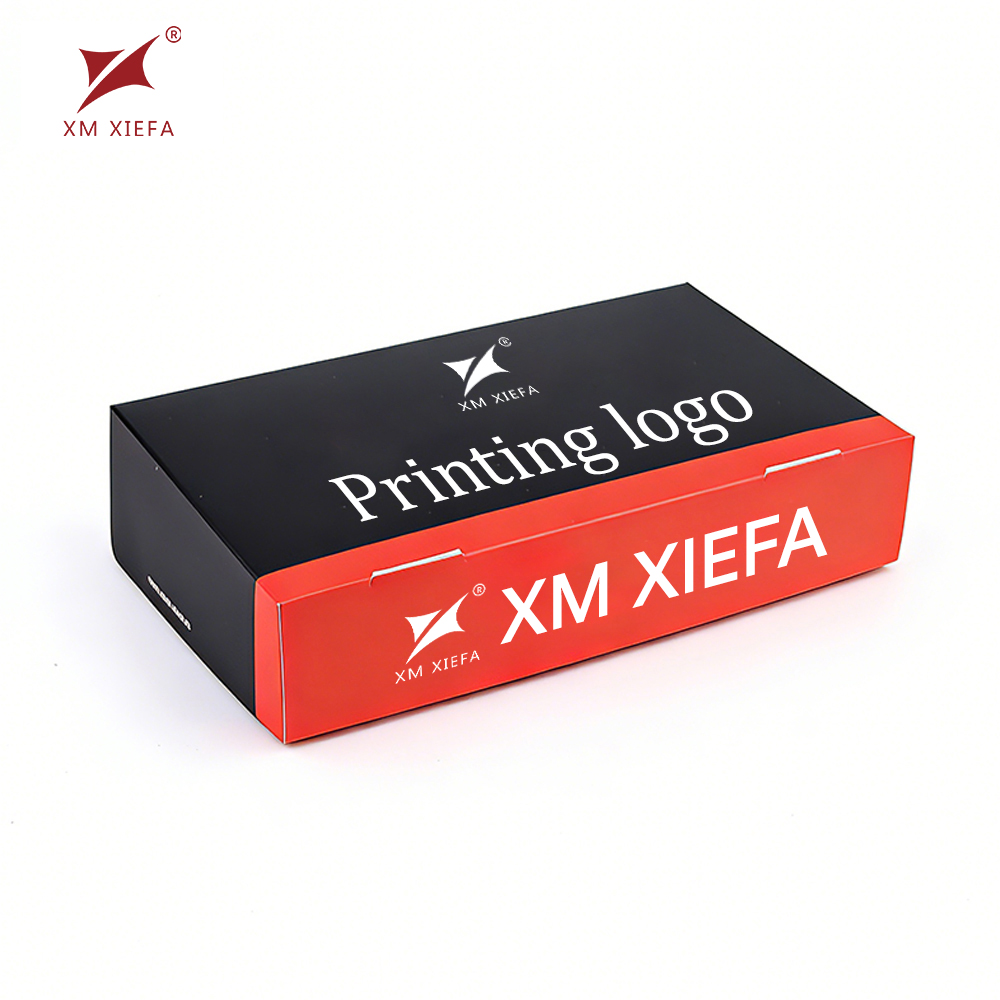
Customization: If you require specific sizes, shapes, or branding (such as printed logos), this customization can increase costs. It's essential to weigh the benefits of customized packaging against potential budget constraints.
Shipping and Logistics: Consider the total cost of acquiring the product, including shipping fees. Suppliers with efficient logistics may offer better rates or faster delivery times, which can enhance your overall supply chain efficiency.
Market Conditions: Fluctuations in raw material prices, such as pulp or coatings, can also affect the cost of greaseproof paper. Staying informed about market trends can help you plan your purchasing strategy effectively.
By understanding these cost factors, you can create a more accurate budget and make smarter purchasing decisions.