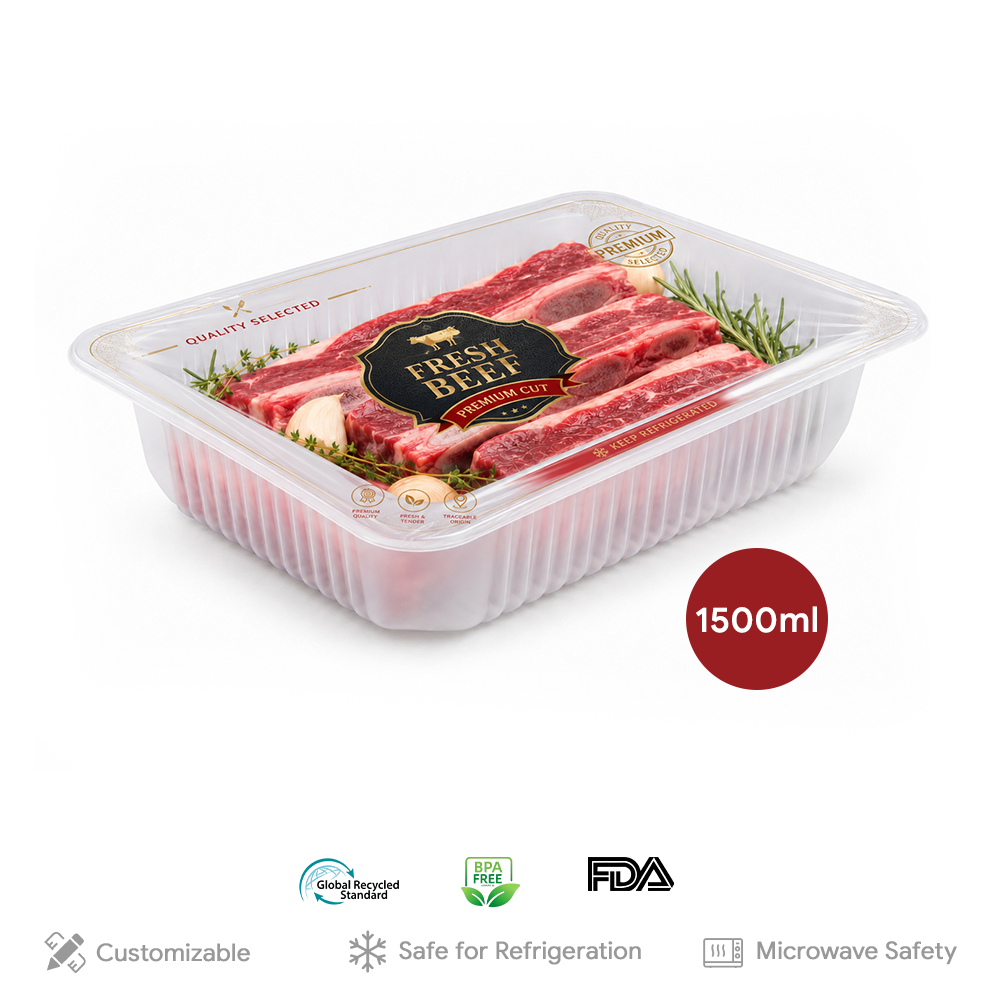
Essential Small Plastic Trays for Food Service

Contact Sales

Talk To Our Expert

Talk To Our Expert

Name
Email
Mobile
Message
0/1000

small plastic trays for food

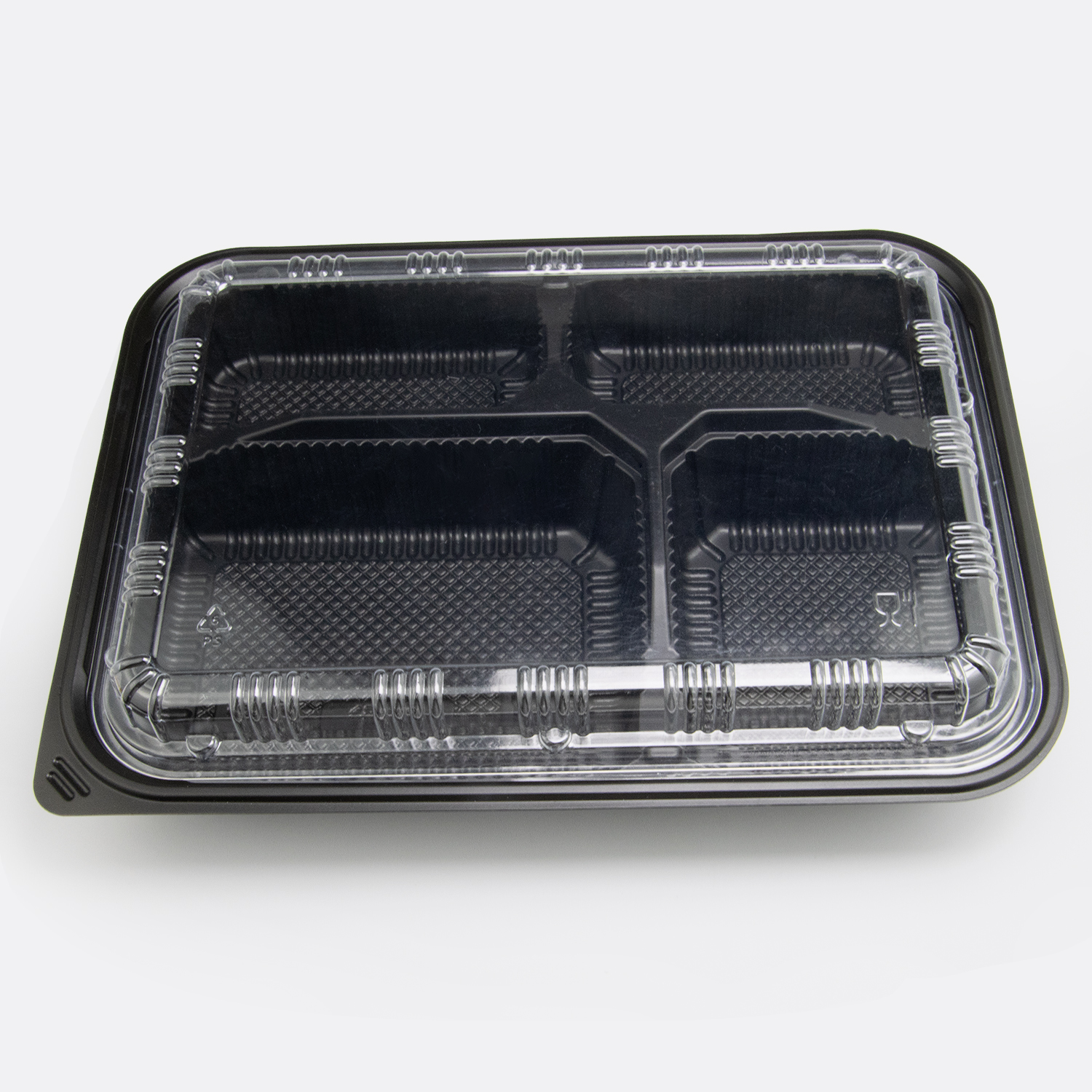
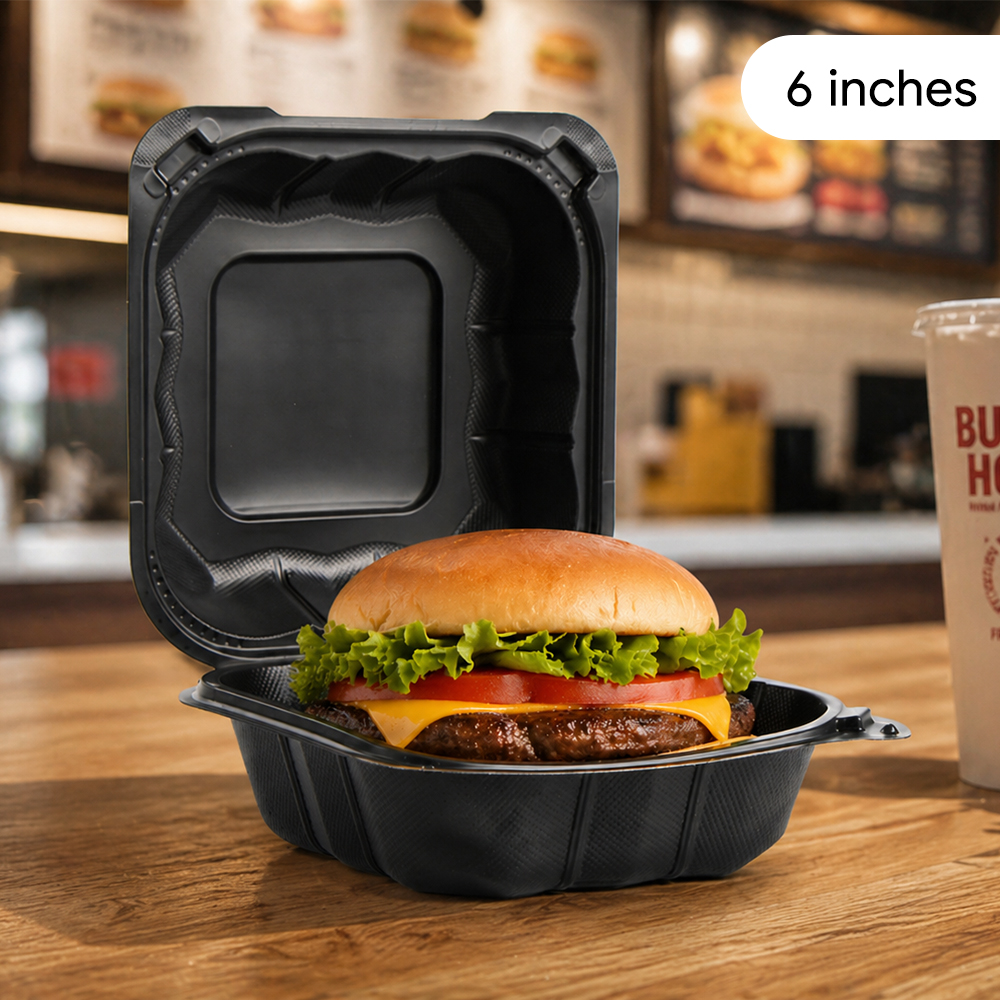
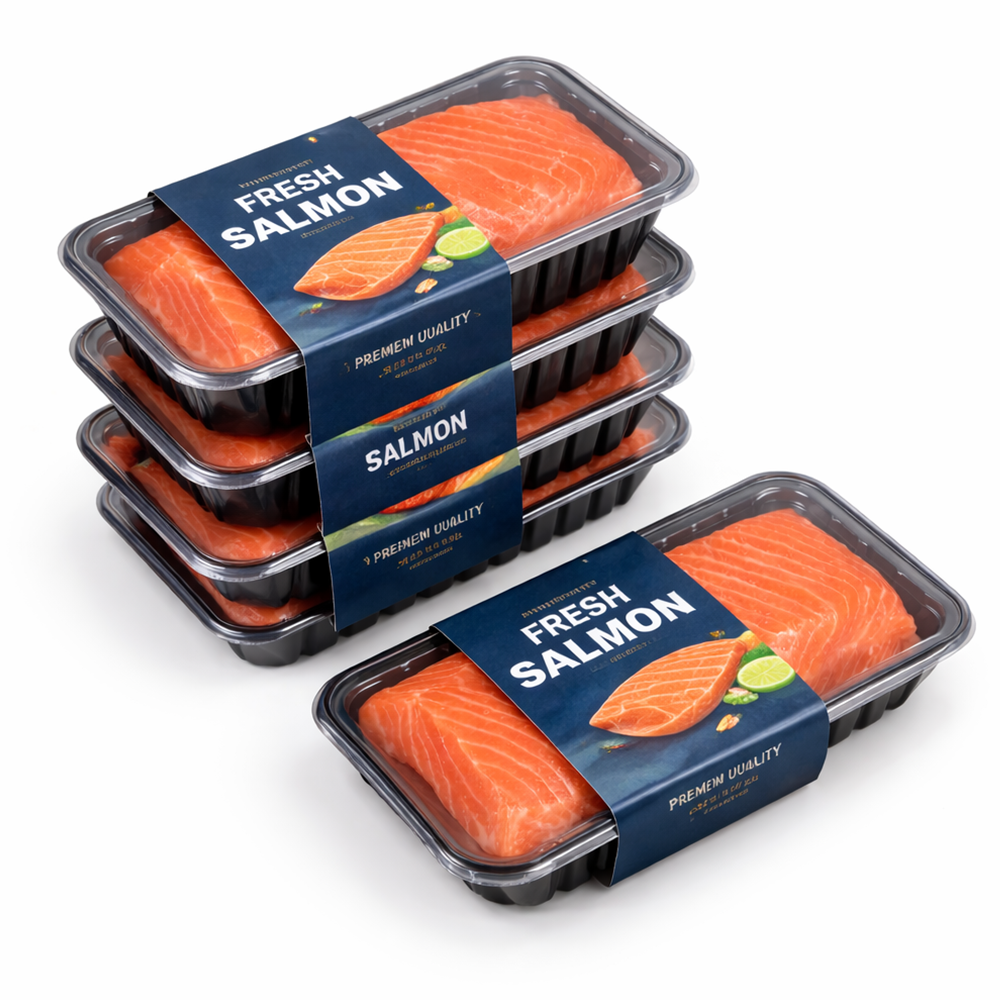
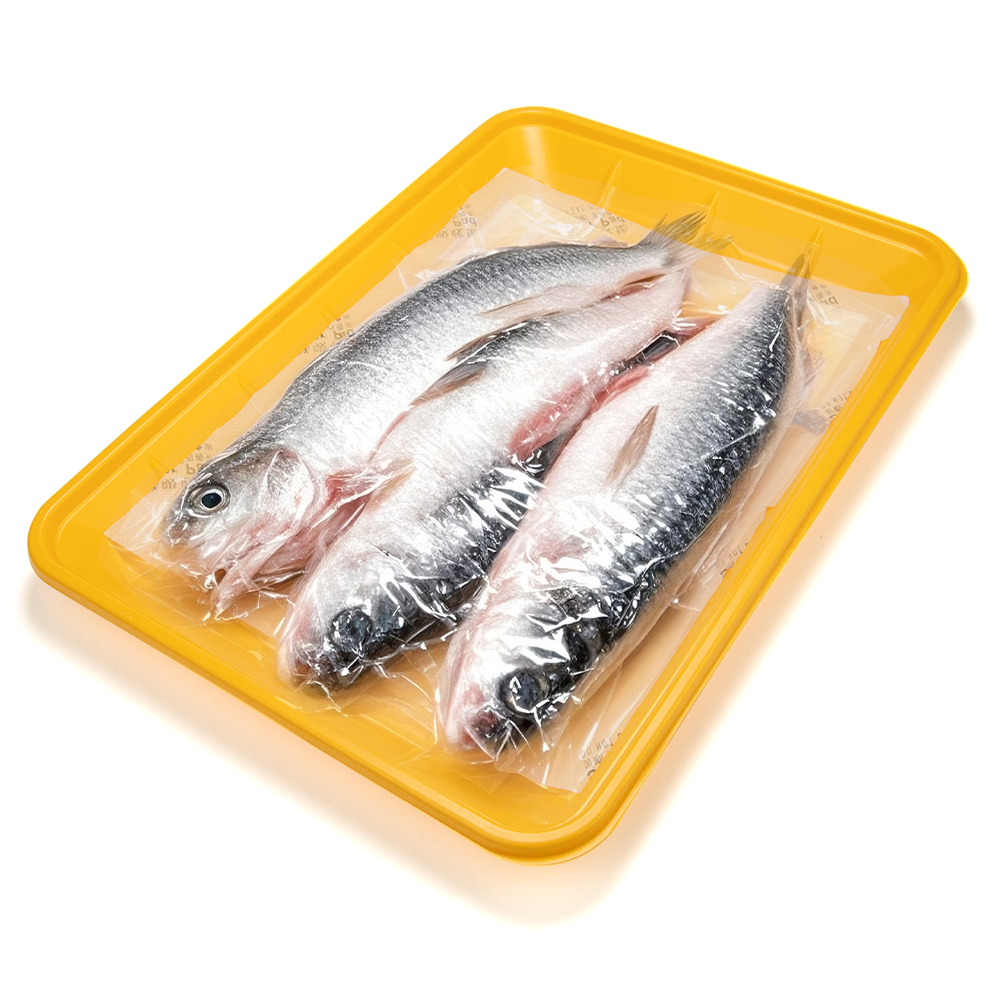
Small plastic trays for food are essential components in the food packaging industry, particularly for food service, retail, and  industrial  applications.  These trays provide  a practical solution for storing, displaying, and  serving various food items while ensuring hygiene and ease of  handling. As a B2B  buyer,  you  may have concerns regarding the quality, specifications, and application suitability of these trays. ,  we will explore key specifications for high-quality food  service plastic  trays, common problems  and solutions,  their  applications across various  food  industries, factors to  consider when choosing food packaging partners, and the  importance of understanding  the quality control process.
Our Products

Key Specifications for High-Quality Food Service Plastic Trays

When selecting small plastic trays for food,  several key specifications should be considered to  ensure they meet your operational needs:

Material Composition: Most food service  trays are made from polypropylene (PP) or polystyrene (PS), both of which are lightweight, durable, and resistant to moisture and chemicals. Polypropylene is often preferred for its higher temperature resistance, making it suitable for hot  food items.

Dimensions and Weight Capacity: The dimensions  of the trays should  align with the intended application, whether  for individual servings or bulk storage. It's  crucial to verify  the weight capacity to prevent deformation  or breakage under load.

Surface Treatment: Consider trays with smooth surfaces that  are  easy to clean and resistant to staining. Some trays may feature antimicrobial properties, which can enhance hygiene during food handling.

Stackability and  Storage Efficiency: Trays designed for stackability can optimize storage space, making them ideal for  commercial kitchens and food service areas where space  is limited.

Compliance and  Certifications: Ensure the trays comply with food safety regulations and standards, such as FDA approval for food contact. Certifications can indicate the reliability of the manufacturing process  and the safety of the materials used.

Understanding these specifications helps ensure that the  trays selected not only serve their intended purpose effectively but also align with  safety and operational requirements.

Get a Free Quote

Our representative will contact you soon.
Email
Name
Company Name
Message
0/1000

Related product categories

Common Problems with Food Trays and Effective Solutions

Common Problems with Food Trays and Effective Solutions

B2B buyers often encounter several common issues with small plastic trays for food, including:

Deformation Under Heat: Some trays may warp when exposed to high temperatures, particularly in microwave  or  oven settings. To mitigate this, choose trays made from  materials with higher heat resistance, such as polypropylene.

Brittleness: Trays made from lower-quality materials may become brittle over time, leading  to cracks or breaks during handling. To avoid this, source trays from reputable manufacturers  with stringent  quality control measures.

Difficult Cleaning: Trays that  retain stains or odors  can  be problematic, especially in food service environments. Opt for trays with smooth surfaces  that facilitate easy cleaning and are dishwasher safe.

Incompatibility with Food Types: Certain trays may not be suitable  for specific food items, such as oily  or acidic foods. Conduct thorough testing of  trays  with the intended food types to prevent contamination or tray  degradation. For instance, White sealable PP tray box with anti-slip stripes, suitable for supermarkets is designed to handle a variety of food types effectively.

By identifying these issues  and implementing proactive solutions, you can enhance the reliability and longevity of the trays, ultimately improving operational efficiency.

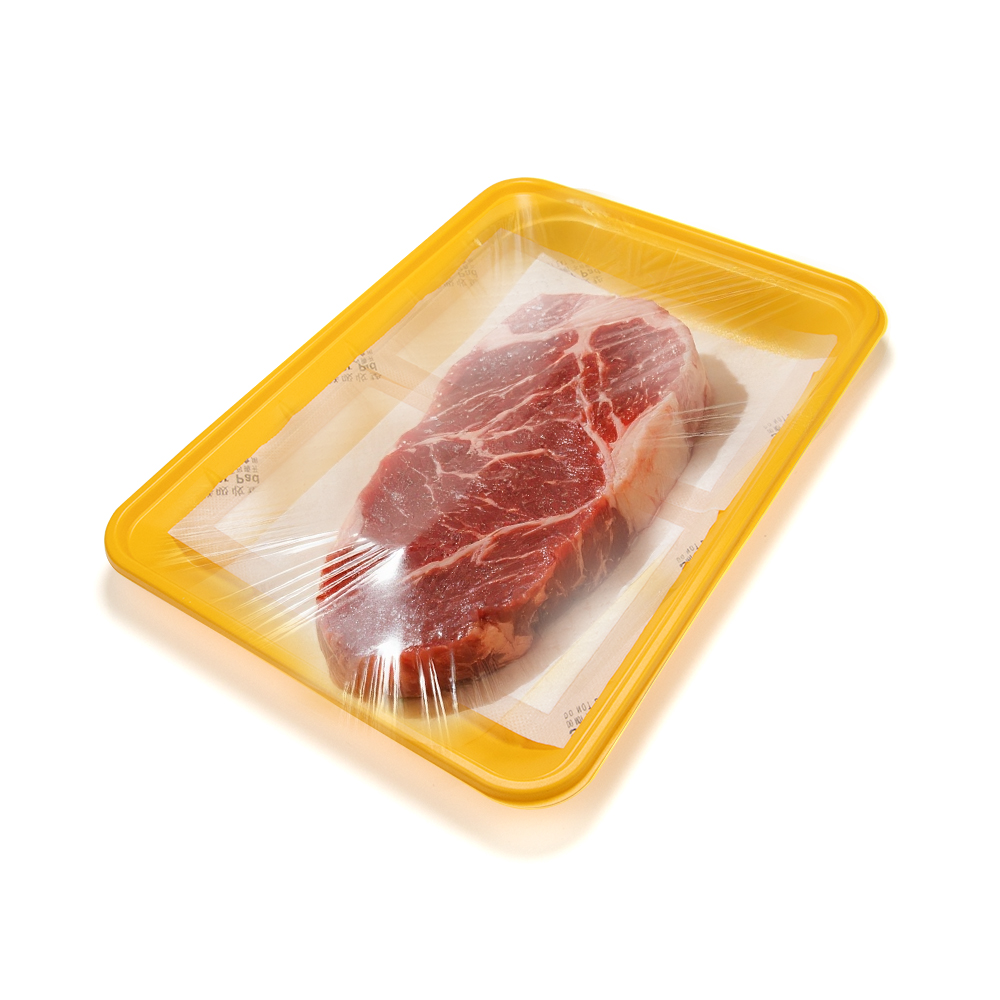
Applications of Small Plastic Trays in Various Food Industries

Applications of Small Plastic Trays in Various Food Industries

Small plastic trays for food are  versatile  and widely used across  several sectors, including:

Food  Service: Restaurants and catering services utilize these trays for serving individual meals, appetizers, or desserts. Their lightweight design  allows for easy handling during service.

Retail: Grocery stores and  delis often employ small trays for showcasing prepared foods,  fruits, or  pastries. The transparency of  some trays can  also enhance product visibility, attracting customers. For example, consider using Customized wholesale 15-compartment white PP dumpling tray packaging for efficient presentation of various food items.

Hospitality: Hotels and event venues use trays for  buffet services or room service, where presentation and hygiene are  paramount.

Industrial: In food processing, small trays are used for transporting ingredients or  finished products. Their durability ensures they can  withstand the rigors of processing environments.

Understanding the specific applications of these trays  can aid in selecting the right product for your industry needs, ensuring functionality  and  compliance.

What to Look for in Food Packaging Partners

What to Look for in Food Packaging Partners

Choosing the right food packaging partner is critical to ensuring the quality and reliability of your small plastic trays for food. Consider  the following factors:

Experience and Expertise: Evaluate the supplier’s experience in manufacturing food packaging solutions. A partner like XM XIEFA, with a strong history in  food packaging, can provide valuable  insights and innovative solutions tailored to your needs.

Customization Capabilities: Depending on your branding and operational requirements, the ability  to customize tray sizes, colors, and designs can  be essential. Ensure your partner has  the flexibility to meet these needs.

Quality Control Processes: Investigate the  quality  control measures your potential  partner has in  place. This includes material sourcing,  production monitoring, and final inspection  protocols to guarantee that the trays meet your  specifications.

Logistics and Delivery: Assess the supplier's  logistics  capabilities,  including lead times and shipping options. Timely delivery is crucial in maintaining your supply chain efficiency.

By carefully  evaluating these aspects, you can establish a  partnership that enhances your operational success and product quality.

Understanding the Quality Control Process for Plastic Food Trays

Quality control  is  vital in the production of small  plastic trays for food to ensure they meet  safety and performance standards. The quality control process generally includes the following key steps:

Material Inspection: Before production begins, raw materials are tested for  compliance with food safety standards. This step ensures that the materials used are safe  for food contact.

Production Monitoring: During manufacturing,  regular checks are conducted to assess dimensions, weight, and appearance  to ensure consistency across batches. This can include monitoring the production environment to prevent contamination.

Sample Testing: Before full-scale  production, manufacturers often produce samples for client approval. Testing these  samples under real-world  conditions can help identify any potential issues, such as compatibility with food types or heat  resistance.

Final Inspection: After production, a thorough inspection is conducted to confirm that each tray meets the agreed-upon specifications.  This  may involve checking for defects, ensuring stackability, and verifying that hygiene standards are met.

Documentation and Certification: Finally, appropriate documentation and certifications should be provided to verify compliance with industry  standards, offering peace of mind to buyers.

Understanding the quality  control process helps buyers  ensure  they are sourcing reliable and compliant products,  ultimately supporting  their operational success.