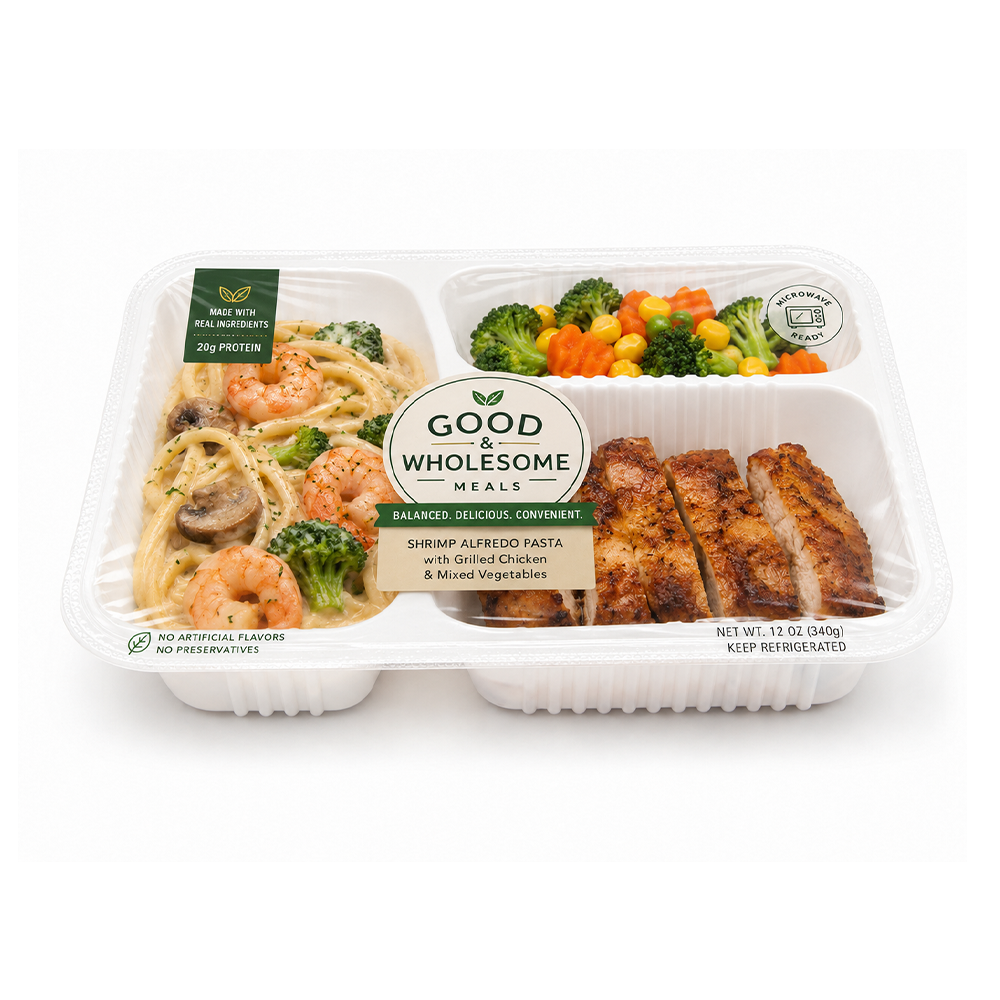
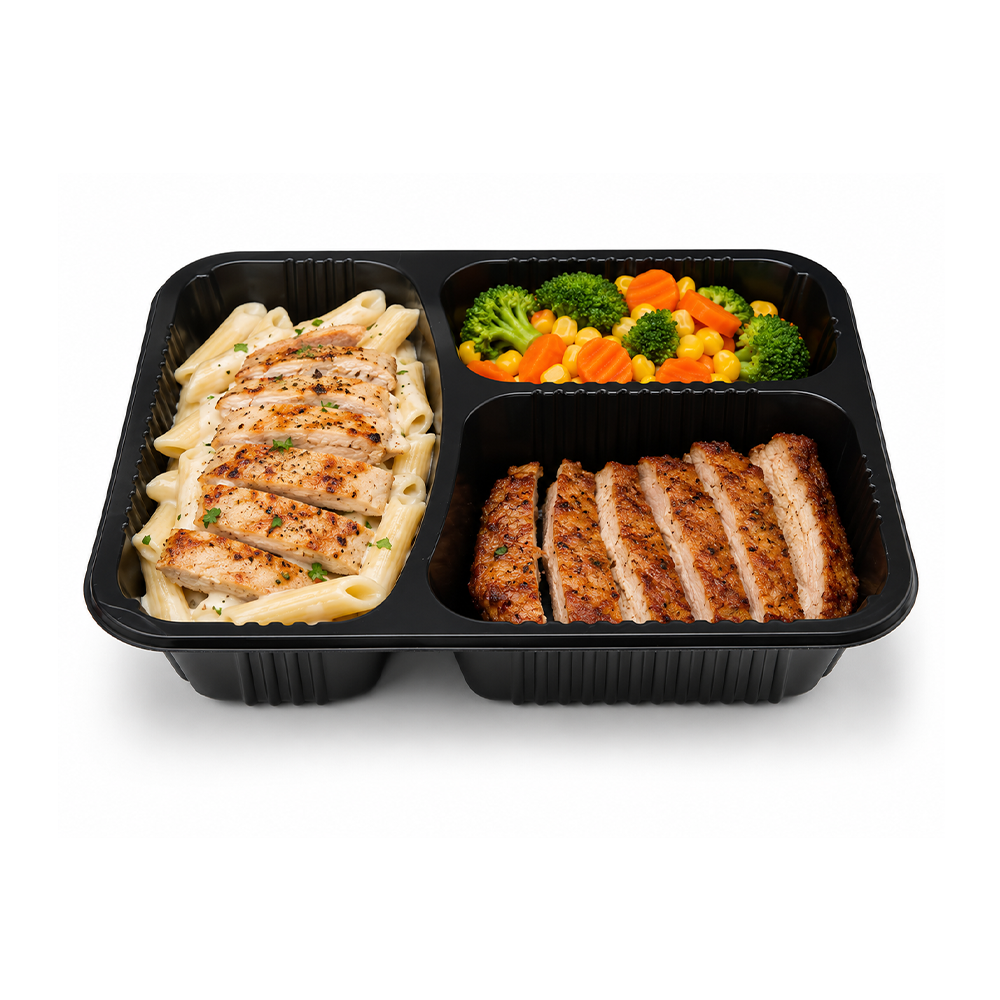
Plastic takeaway trays are essential components in the food service, retail, and hospitality industries, offering a convenient way to package and transport food items. As a B2B buyer, understanding the variety of options available, their specifications, and potential challenges will help you make informed purchasing decisions. This article aims to provide a comprehensive guide on plastic takeaway trays, addressing key considerations for selecting the right products for your business needs.
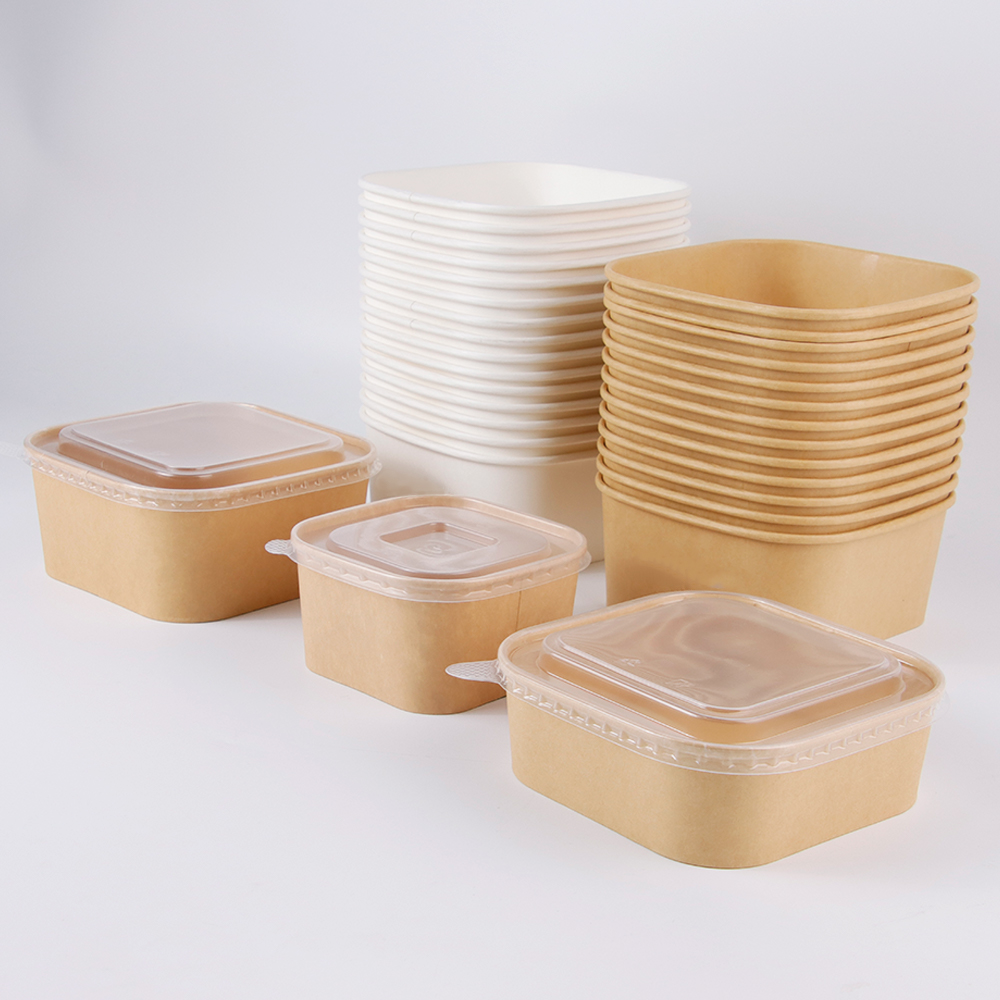
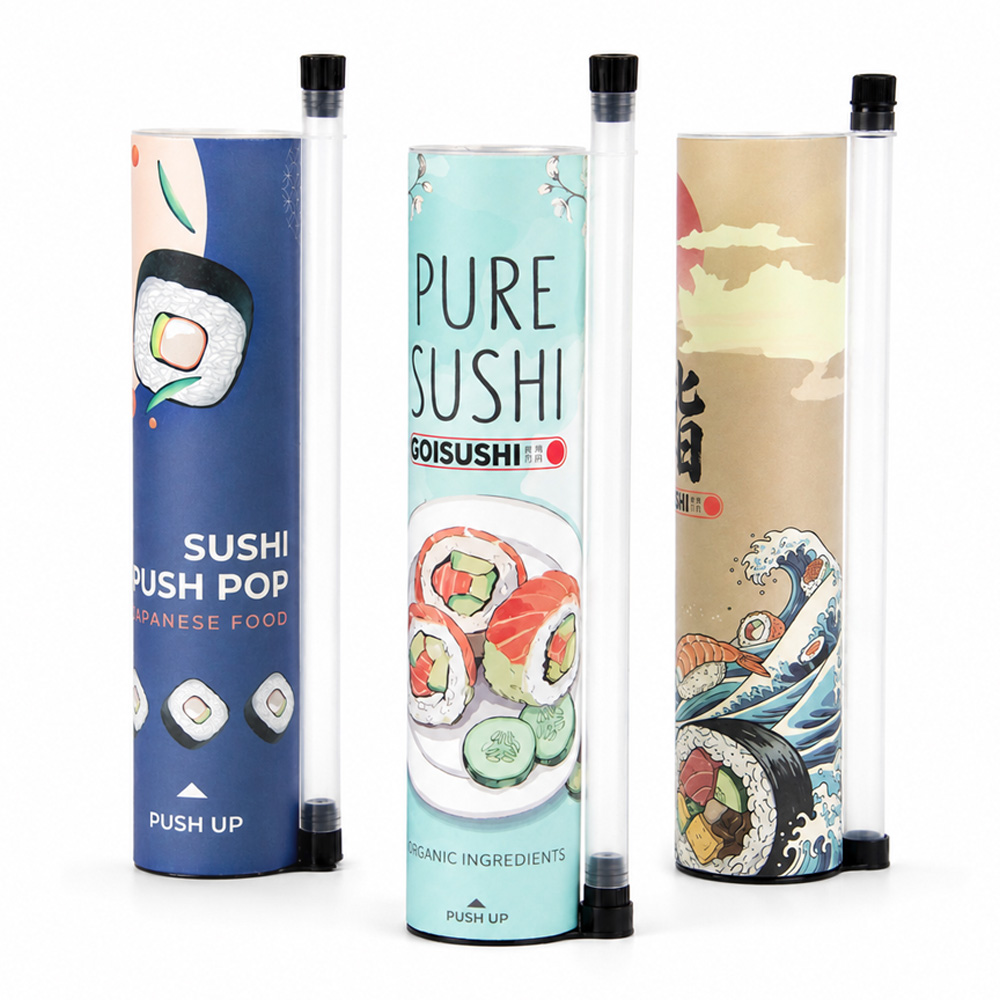
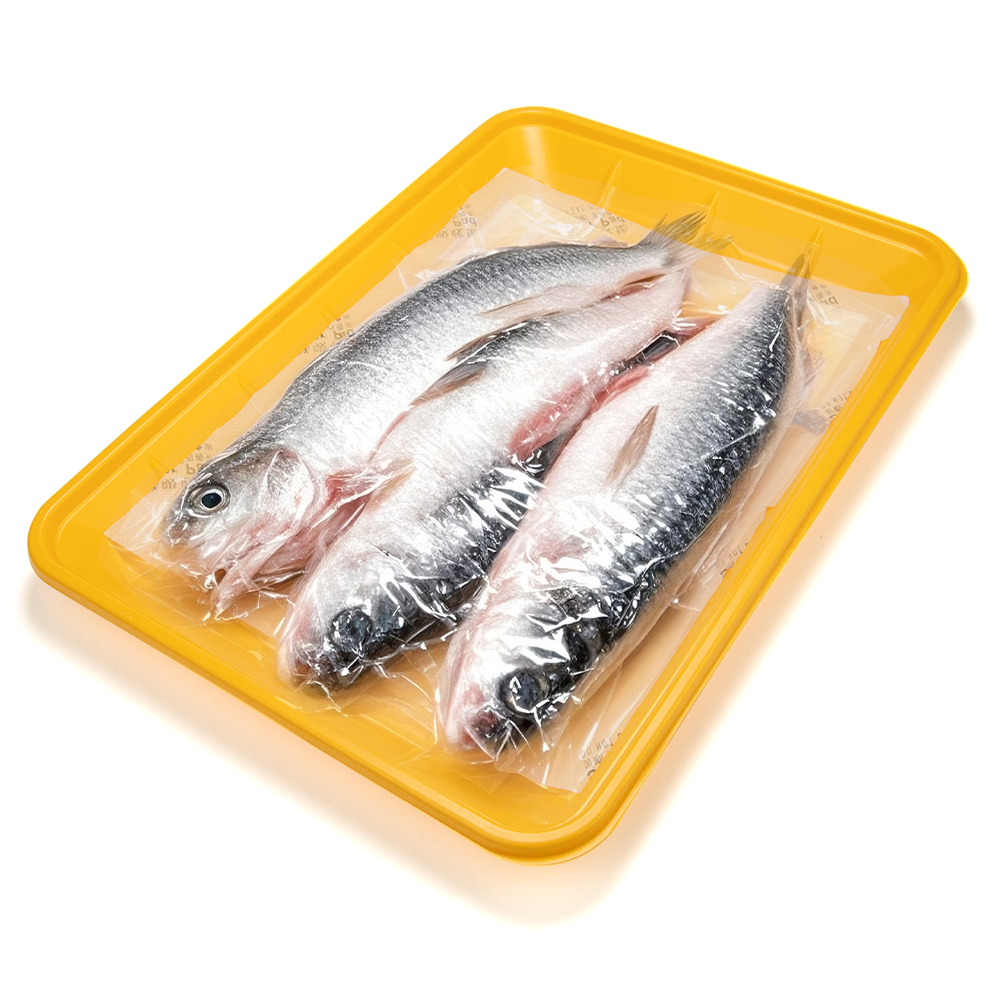
Key Specifications for High-Quality Plastic Takeaway Trays
When assessing plastic takeaway trays, several key specifications should be considered:
Material Composition: Look for trays made from high-grade plastic, such as polypropylene (PP) or polyethylene terephthalate (PET). These materials offer durability, flexibility, and resistance to moisture, making them suitable for various food items.
Thickness and Strength: The thickness of the tray can impact its strength and load-bearing capacity. A thicker tray often provides better rigidity and protection during transport. Assess the strength requirements based on the food's weight and type.
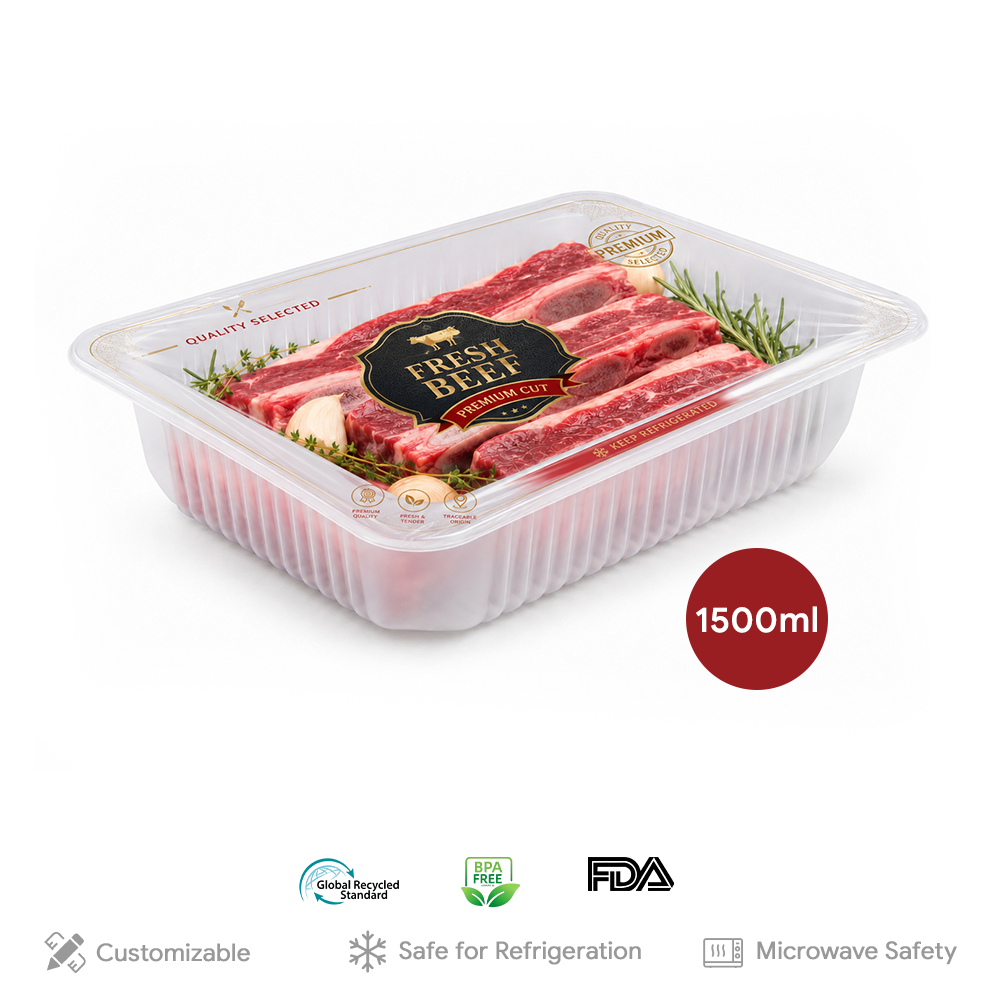
Temperature Resistance: Ensure that the trays are suitable for the temperature range required for your food items. Some trays are designed for freezer use, while others can withstand higher temperatures for hot foods.
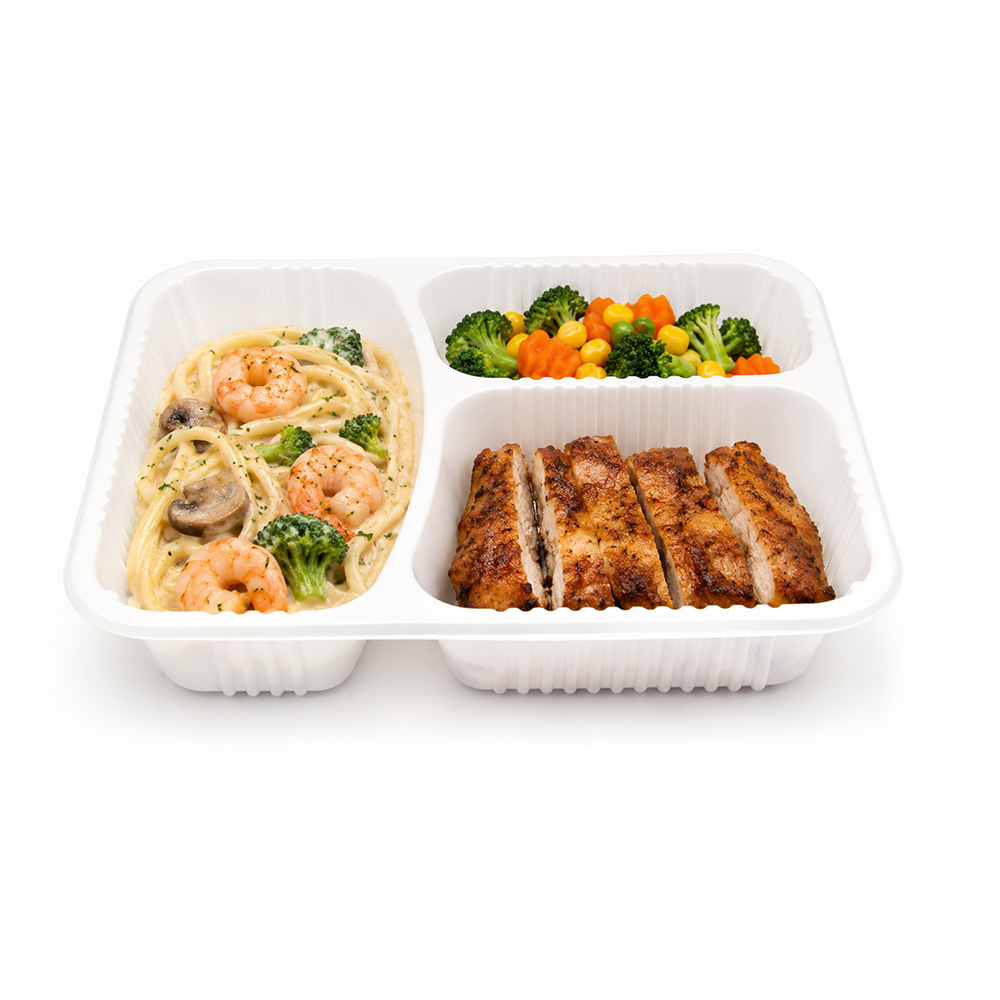
Sealing Options: Consider whether you need trays with sealing capabilities. Trays that can be sealed tightly can improve food safety and increase shelf life, which is particularly important for pre-packaged meals. For instance, the White sealable PP tray box with anti-slip stripes, suitable for supermarkets is an excellent choice in this regard.
Recyclability: Sustainability is becoming increasingly important in the food packaging industry. Opt for trays that are recyclable or made from recycled materials to align with eco-friendly practices.