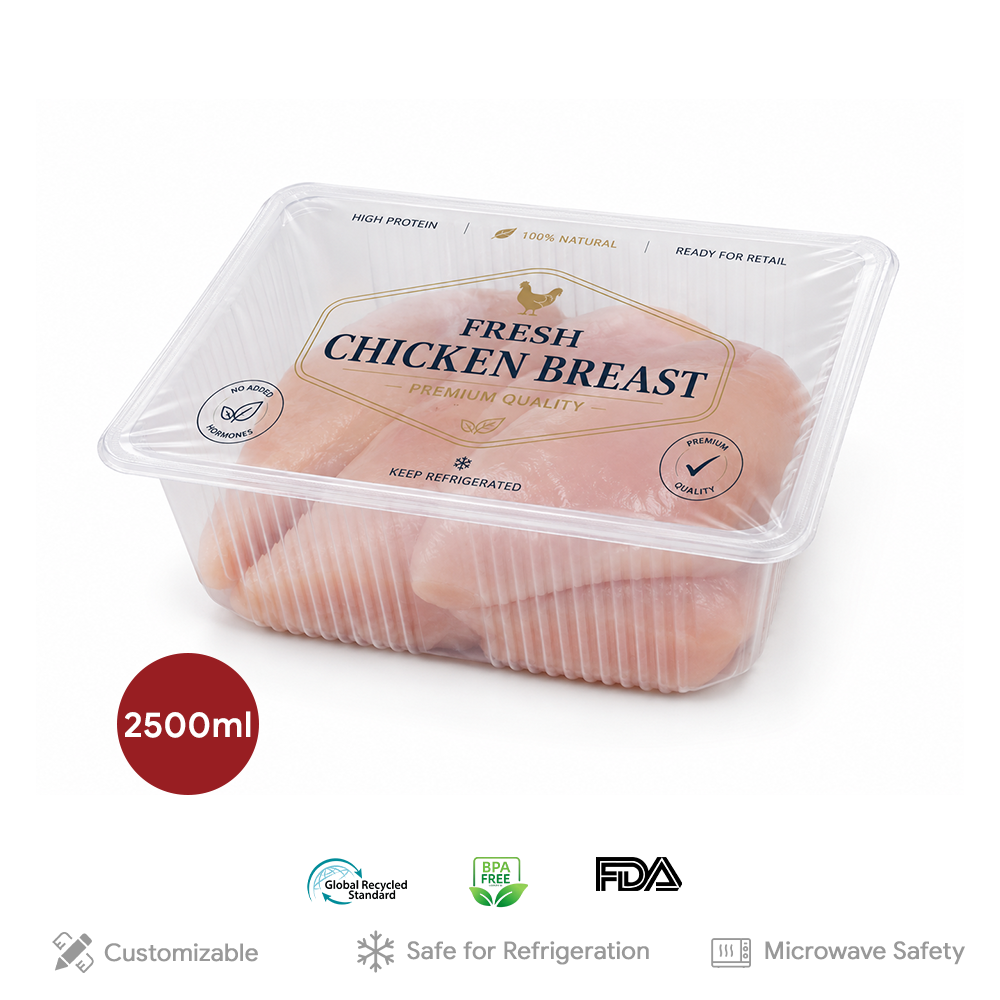
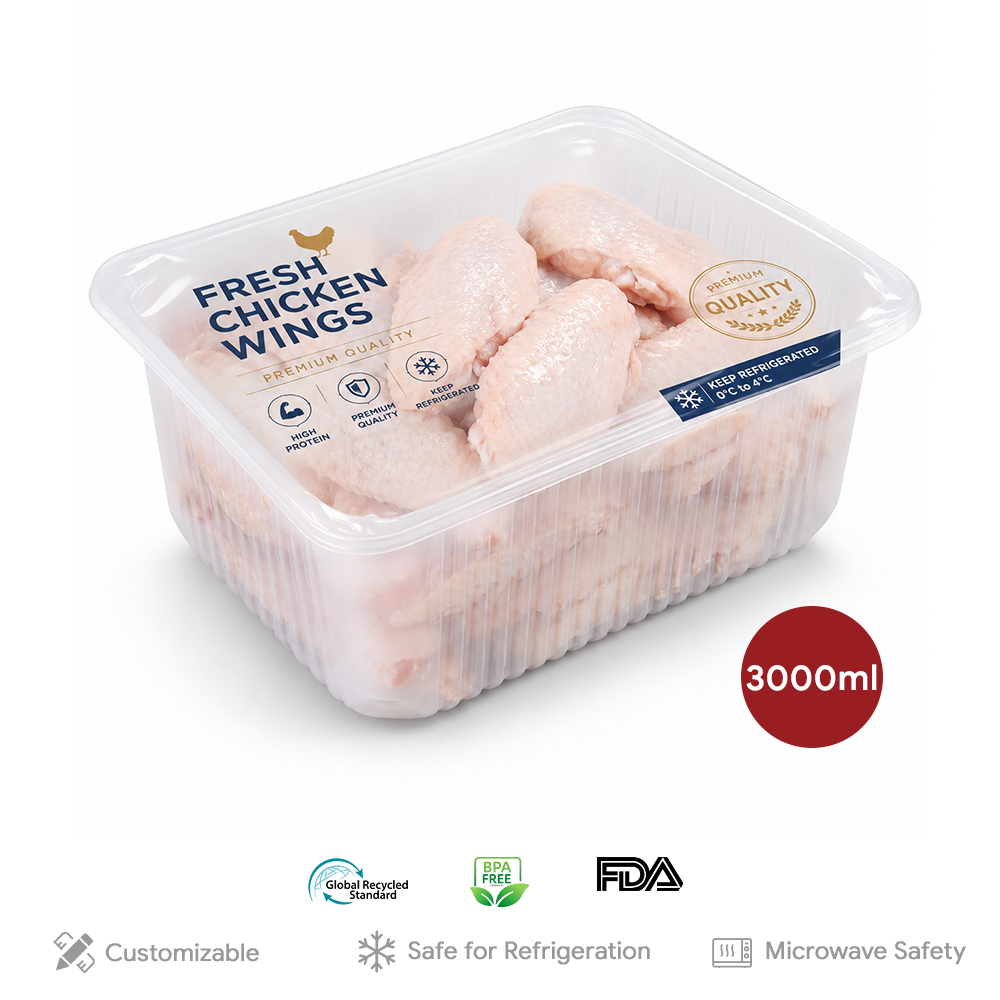
Plastic platter containers are essential for various food service applications, providing a practical solution for packaging, transporting, and serving food items. As a B2B buyer, understanding the specifications, quality factors, and cost considerations associated with plastic platter containers is crucial for making informed purchasing decisions. This article will guide you through key aspects of selecting the right containers, addressing common challenges, and finding reliable suppliers to meet your business needs.
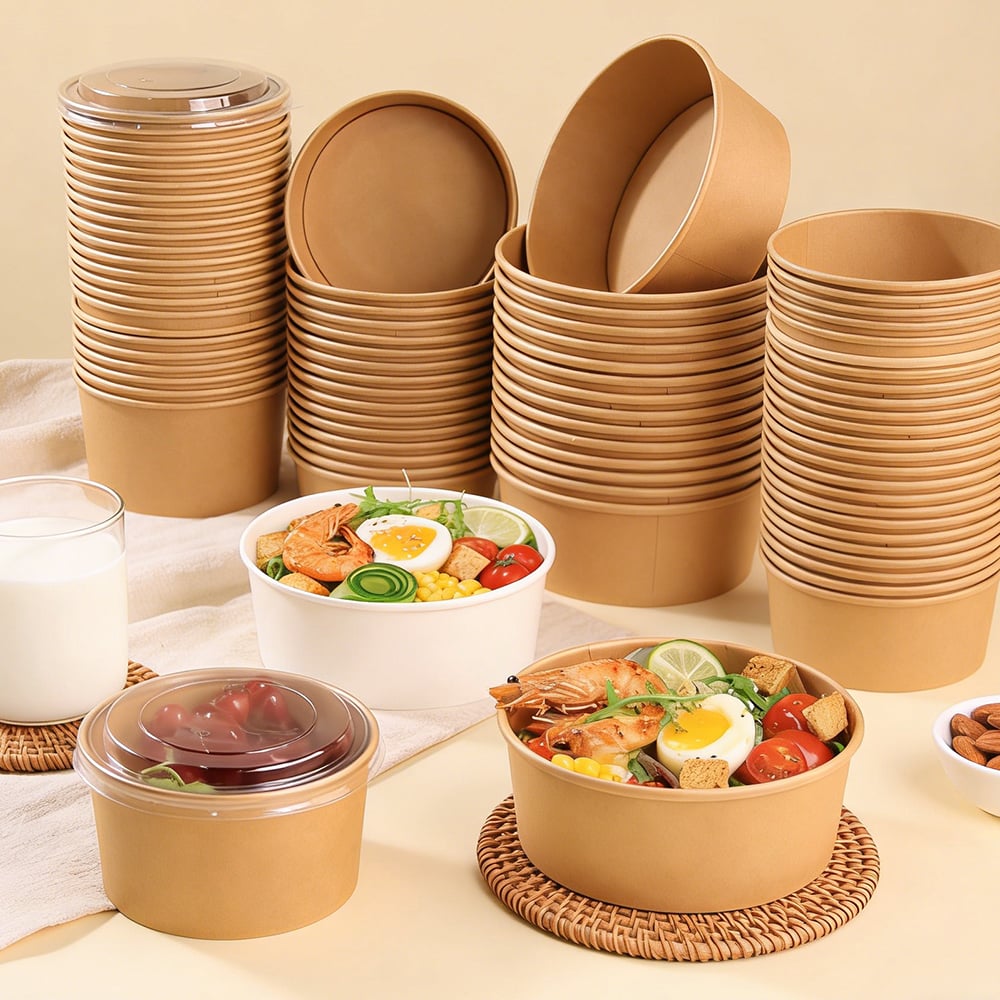
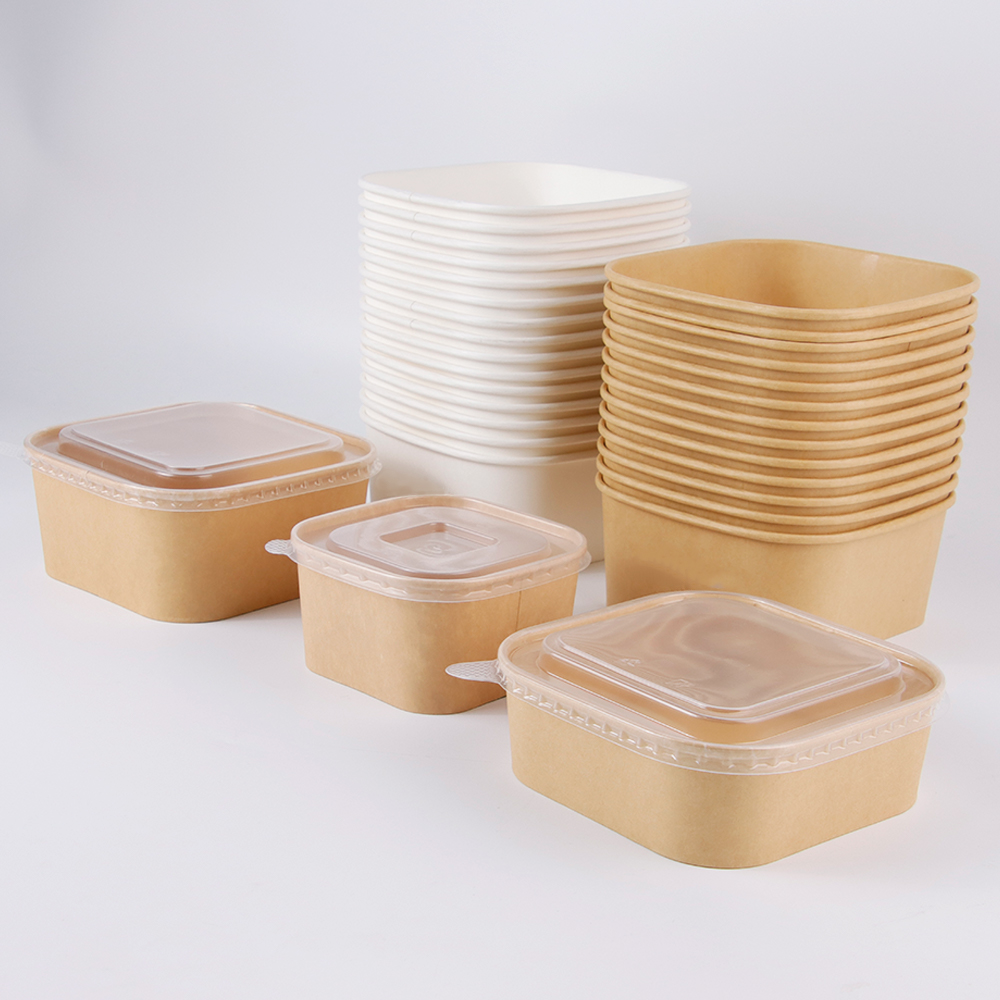
Understanding the Quality Standards of Plastic Platter Containers
Quality assurance is paramount when selecting plastic platter containers, as it directly impacts food safety and customer satisfaction. Here are the primary quality factors to consider:
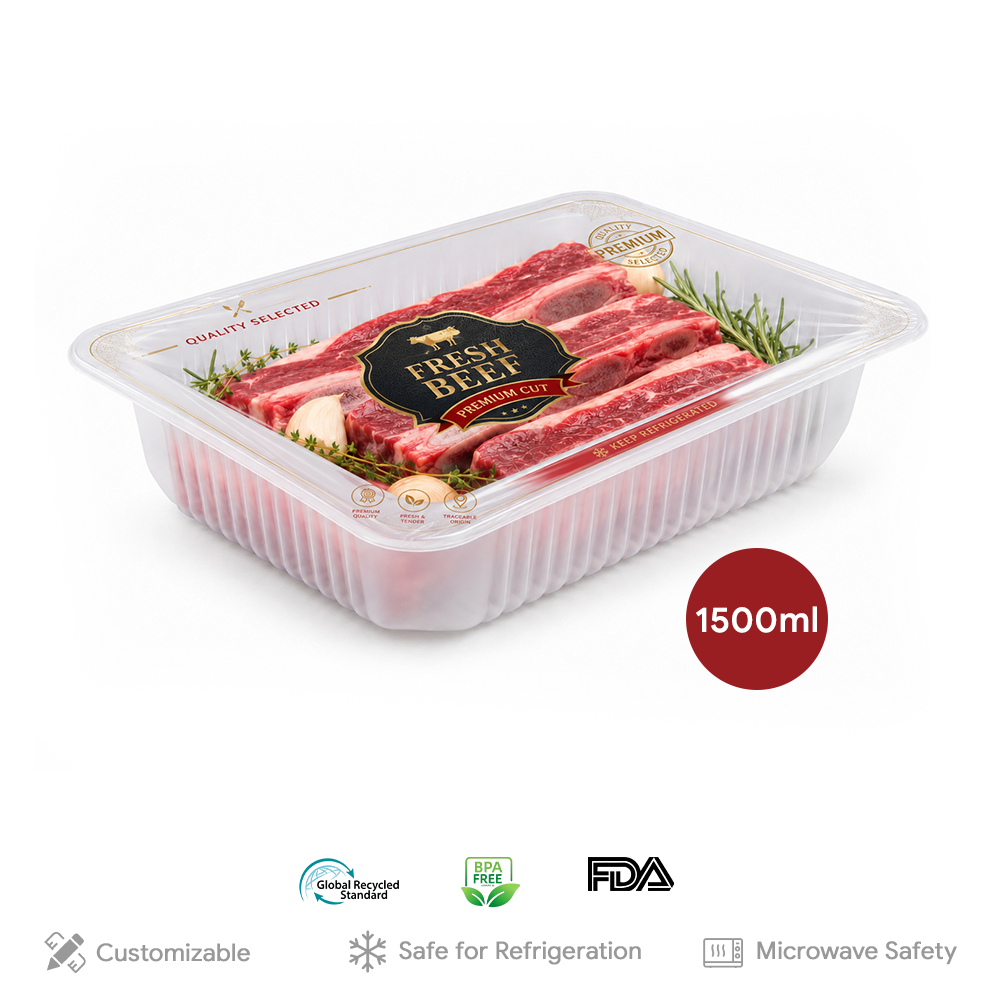
Certifications and Compliance: Ensure that the containers comply with relevant food safety regulations, such as FDA or EU standards. Certifications from recognized bodies can give you confidence in the materials used and their safety for food contact.
Manufacturing Processes: Understanding the manufacturing processes can provide insights into the quality of the containers. For instance, injection molding is commonly used for producing durable containers, while thermoforming may be used for lighter, more cost-effective options.
Quality Control: Ask potential suppliers about their quality control processes. Robust inspection methods during production can help identify defects early and ensure consistency across batches.
Testing Procedures: Inquire whether the containers undergo any specific testing, such as drop tests or temperature cycling tests, to evaluate their performance under different conditions.
Sample Approval: Before committing to a large order, it’s advisable to request samples. Testing these samples under actual usage conditions can help verify that they meet all your expectations.