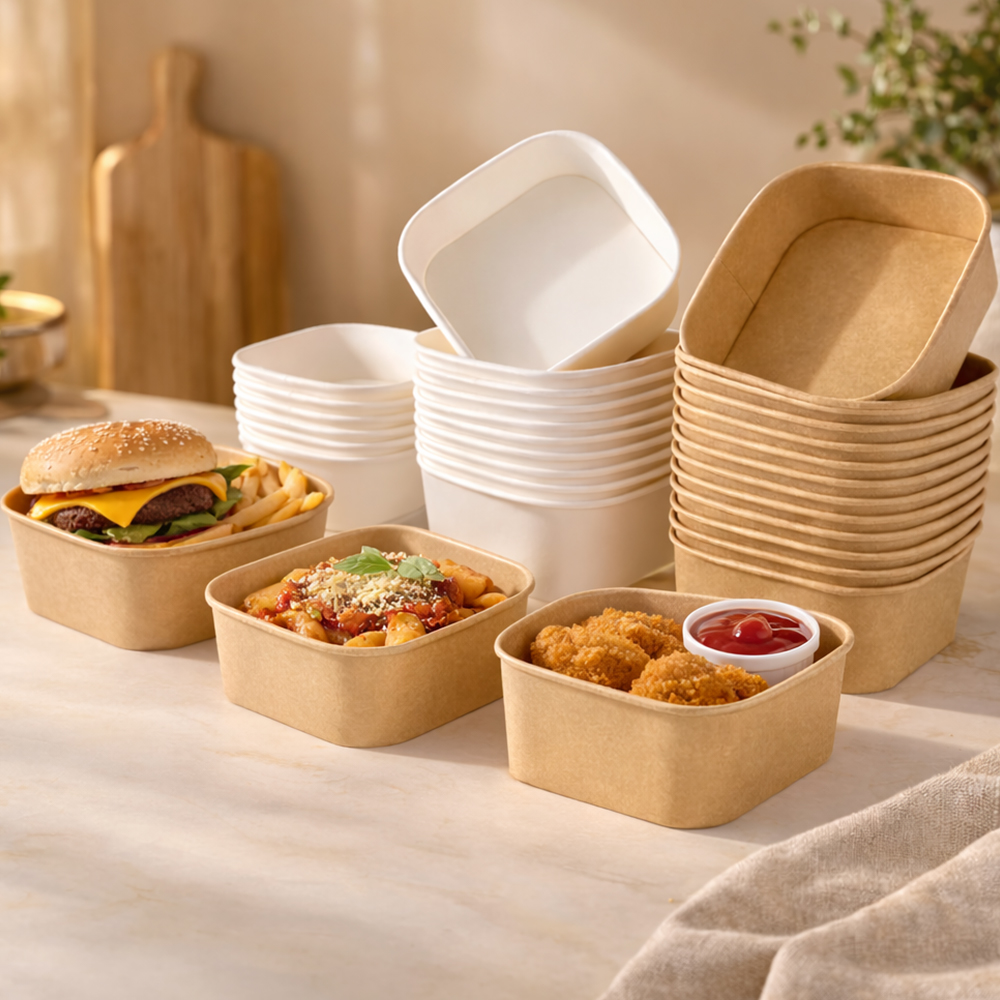
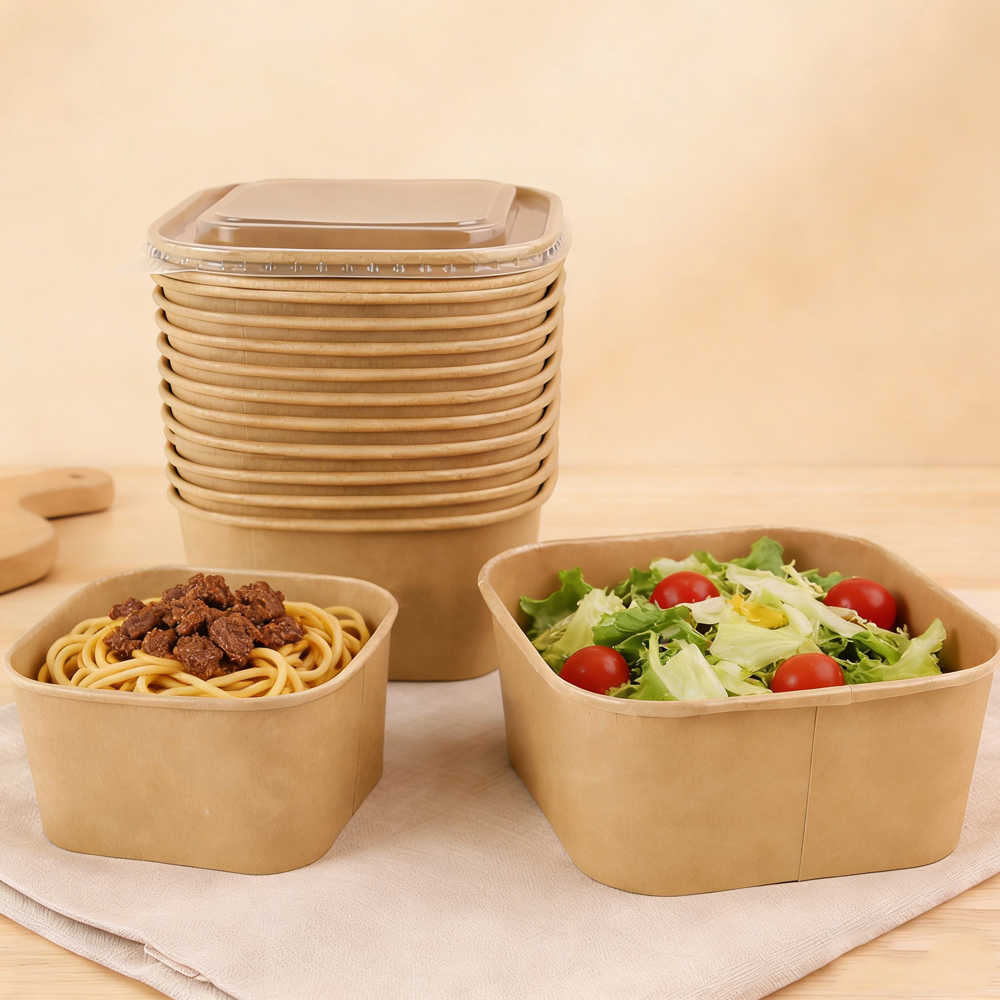
Pet plastic cups are a popular choice in various industries, including food service, retail, and hospitality, due to their durability, lightweight nature, and cost-effectiveness. As a B2B buyer, understanding how to effectively source these products is crucial for making informed purchasing decisions. This article will address key considerations, cost factors, common issues, supplier evaluation, and the material advantages of pet plastic cups, providing actionable insights tailored for purchasing managers, distributors, and product managers.
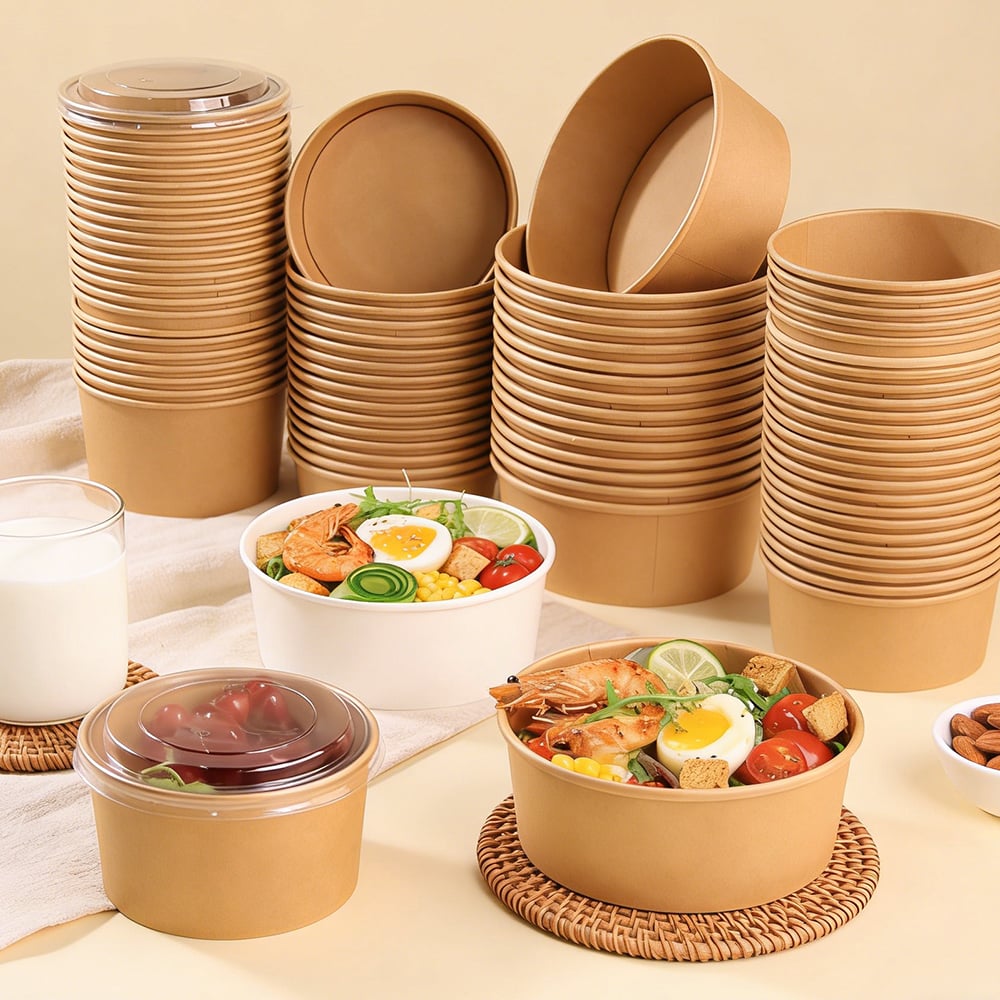
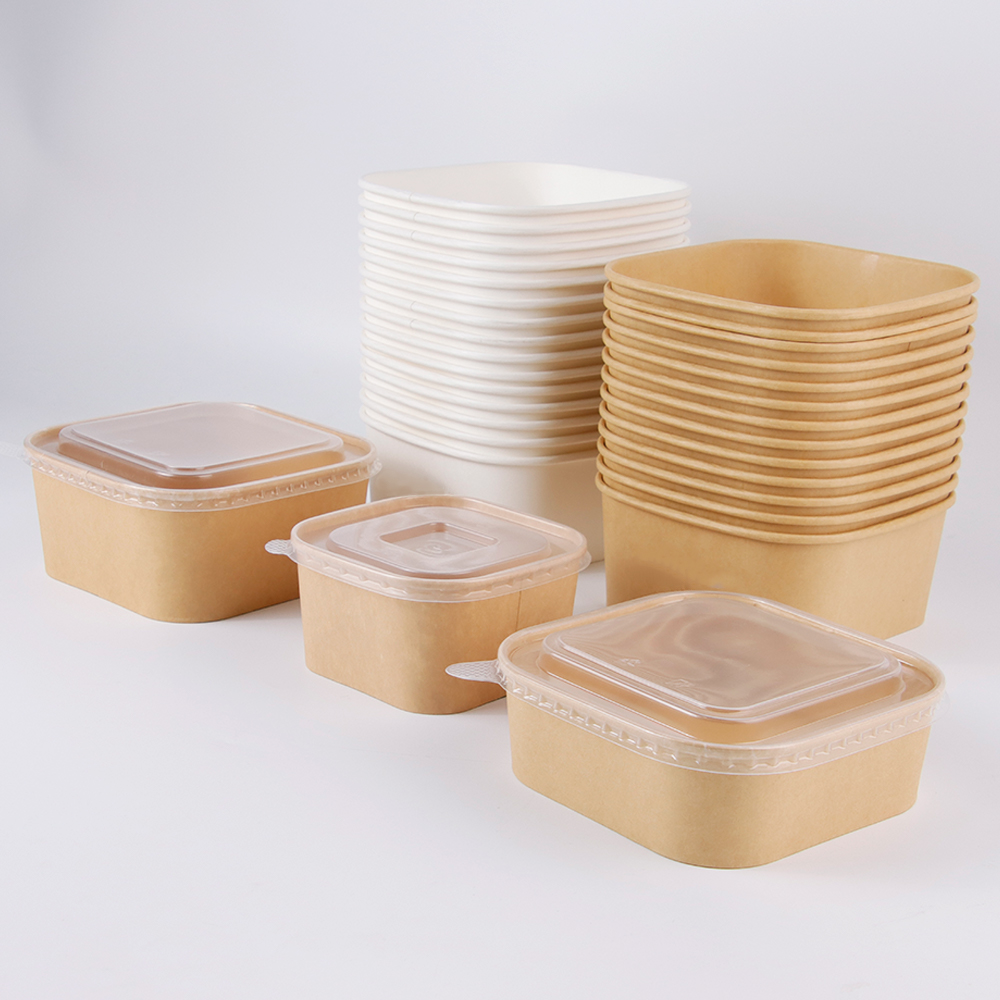
Evaluating the Cost Factors of Pet Plastic Cups for Distributors
Cost evaluation is a critical step in the procurement process. Several factors influence the pricing of pet plastic cups, including material costs, production methods, and order quantities. Typically, purchasing in bulk can lead to significant cost savings, but understanding the pricing structure is essential.
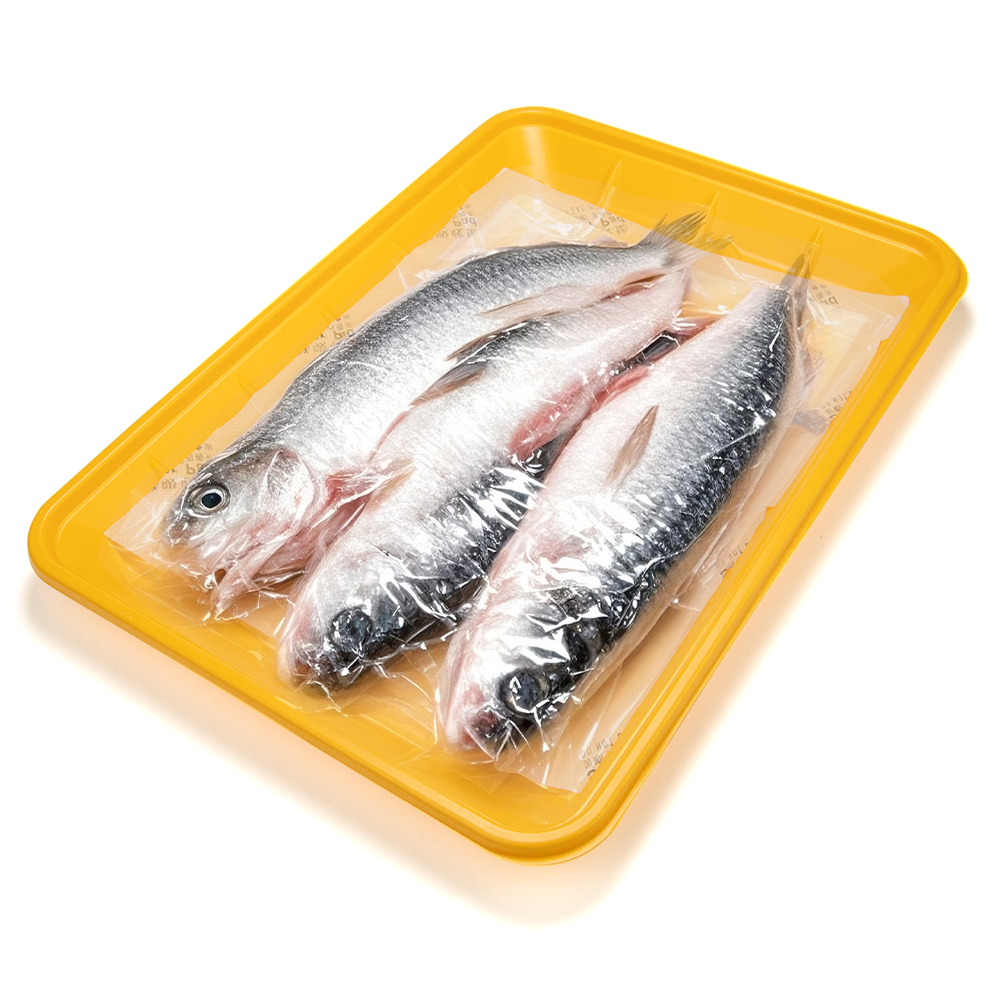
Material quality plays a significant role in the final cost. High-grade PET materials, while more expensive, offer better clarity and strength, which can enhance customer perception and reduce breakage during handling. Additionally, consider the production capabilities of your supplier. Manufacturers with advanced machinery can offer competitive pricing due to lower production costs. Products like Factory Customization Yellow PP Meat Food Trays are an example of high-quality materials.
It's also important to factor in shipping costs and potential tariffs, especially if sourcing from international suppliers. Evaluating the total landed cost—including production, shipping, and potential import duties—will provide a clearer picture of the overall expense.