Microwavable Food Trays: Key Factors for B2B Buyers

Contact Sales

Talk To Our Expert

Talk To Our Expert

Name
Email
Mobile
Message
0/1000

microwavable food trays

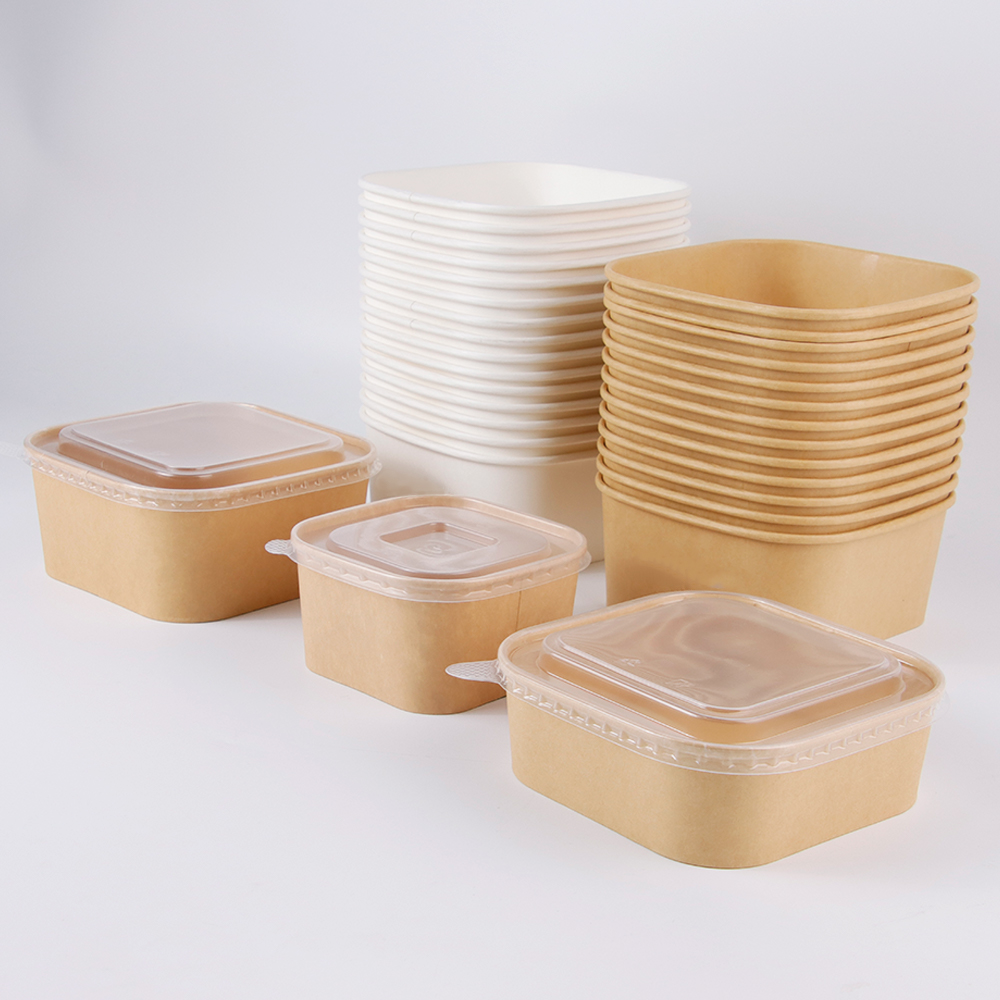
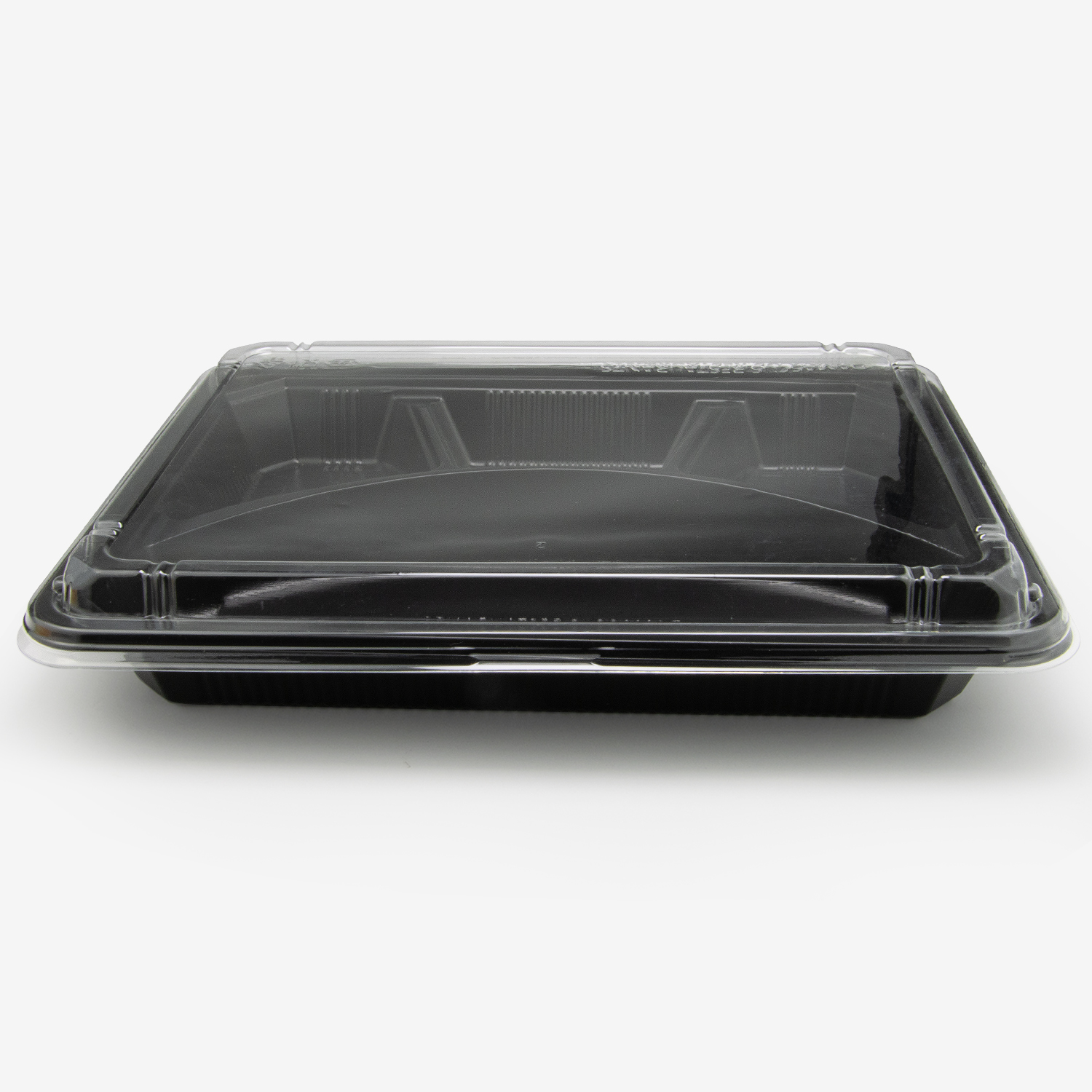
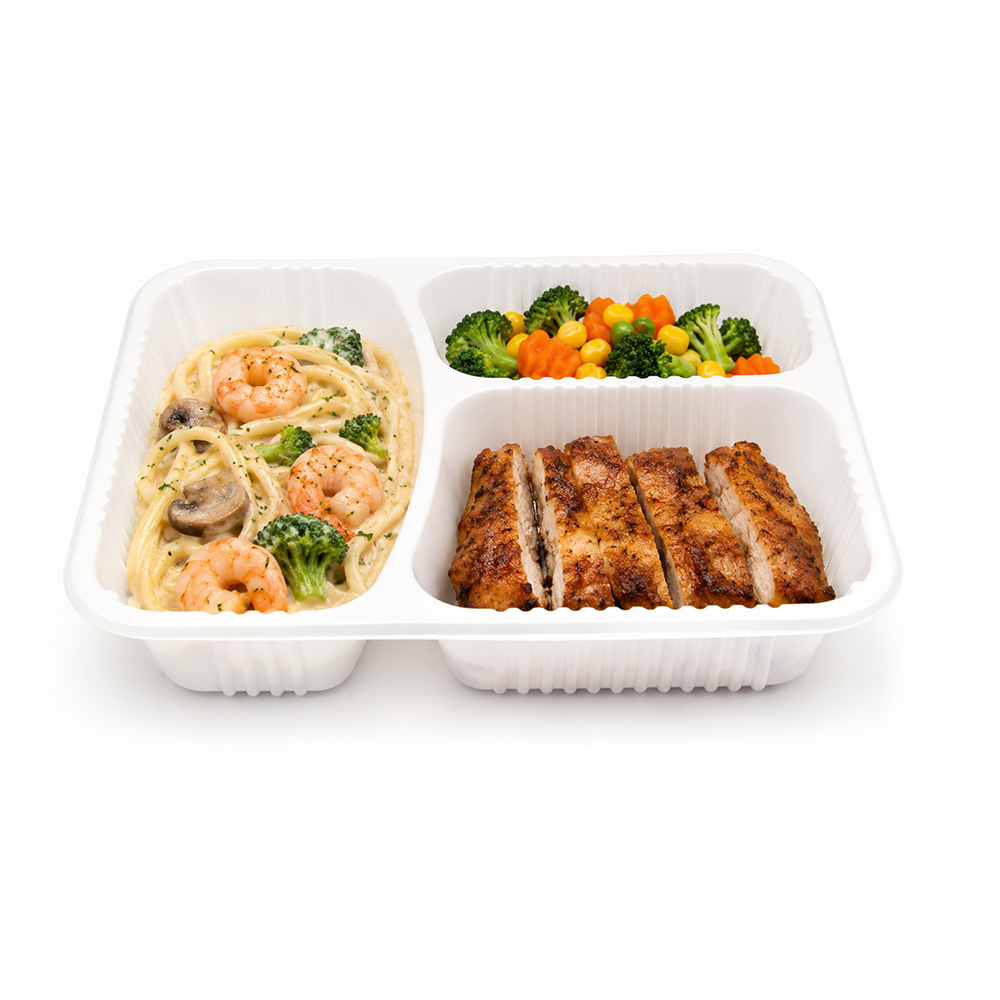
Microwavable food trays  are essential products in the food packaging  industry, designed to withstand high temperatures while maintaining the integrity  of  the food inside.  For  B2B buyers, such as  purchasing  managers and distributors, understanding the nuances of  these  trays is  crucial for making informed decisions that  impact cost,  quality, and  usability. This article will delve into several key aspects of microwavable food trays, answering common buyer concerns and  providing insights that  can help  optimize  sourcing  and application.
 

Our Products

Understanding the Cost Factors of Microwavable Food Trays in Bulk

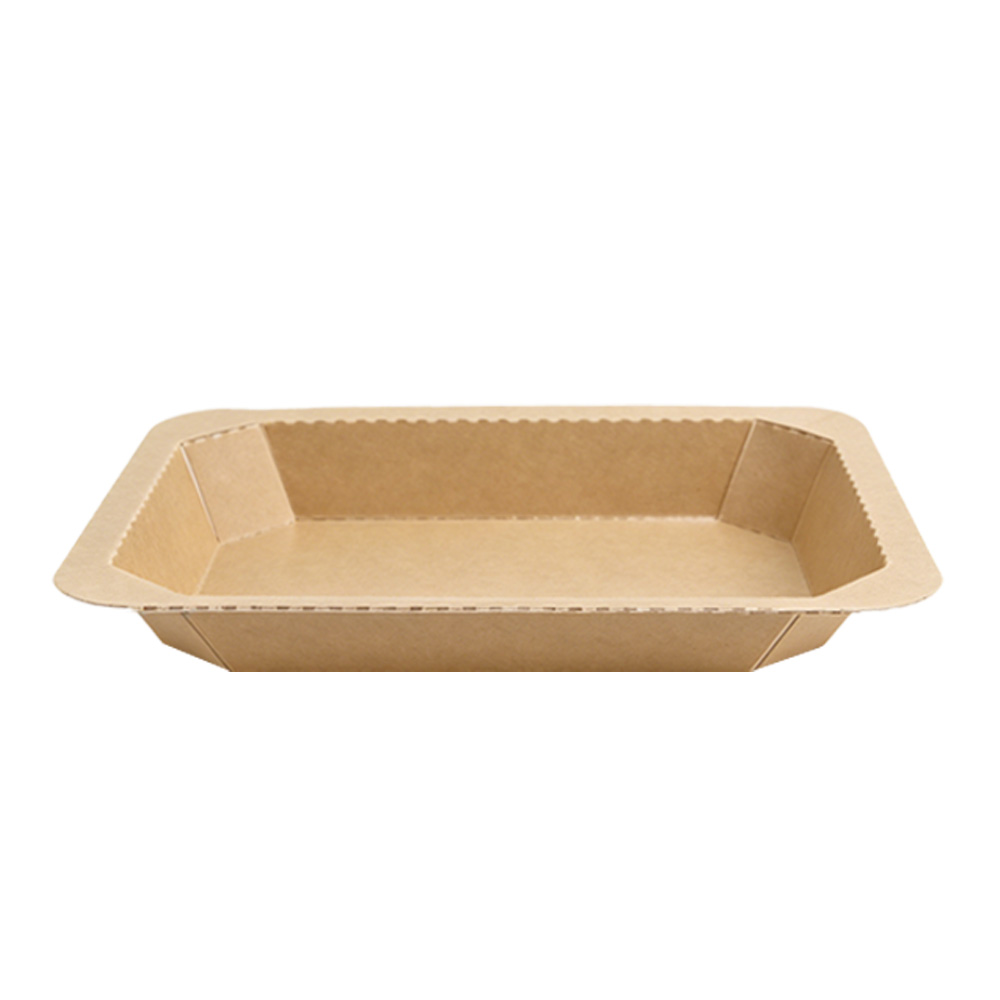
When purchasing microwavable food  trays in bulk, several cost factors come into play. The material used significantly influences the  price;  common options include polypropylene and polyethylene, each offering different benefits in terms of durability and heat resistance. Additionally, the manufacturing process, including injection  molding or thermoforming,  affects  the final cost due to varying energy inputs and production times. Buyers should also consider minimum  order  quantities  (MOQ) and how they  align with  their operational needs. Larger orders typically result in lower per-unit costs, but it's essential to balance inventory  levels with  demand to avoid excess stock. Shipping  and logistics  costs are  another critical factor, especially for international orders where tariffs and freight charges can  significantly  increase overall  expenses. Understanding  these elements can help buyers negotiate better pricing and ensure that they are getting the best value for their investment. For instance, a good option for effective packaging is the Factory wholesale food-grade EVOH paper trays for disposable packaging.

Get a Free Quote

Our representative will contact you soon.
Email
Name
Company Name
Message
0/1000

Related product categories

How to Evaluate the Quality of Microwavable Food Trays for Distribution

How to Evaluate the Quality of Microwavable Food Trays for Distribution

Quality evaluation of microwavable food trays  involves examining several key specifications. The thickness of the material is crucial; a thicker tray generally offers better structural integrity  and heat  resistance, thereby  preventing warping or leaking during  microwaving. Buyers should also look for trays that are tested for microwave  safety,  ensuring they won't release harmful substances  when heated.

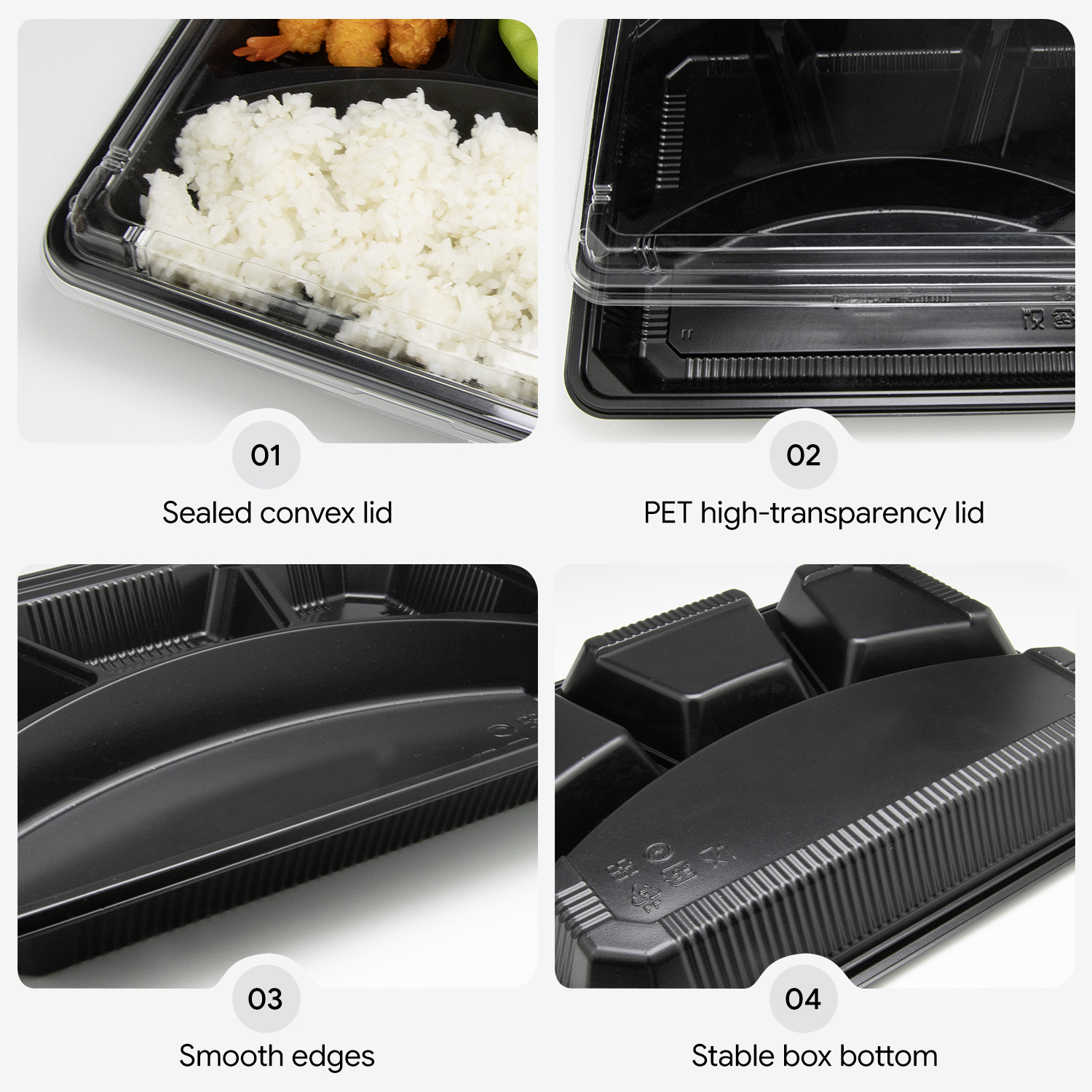
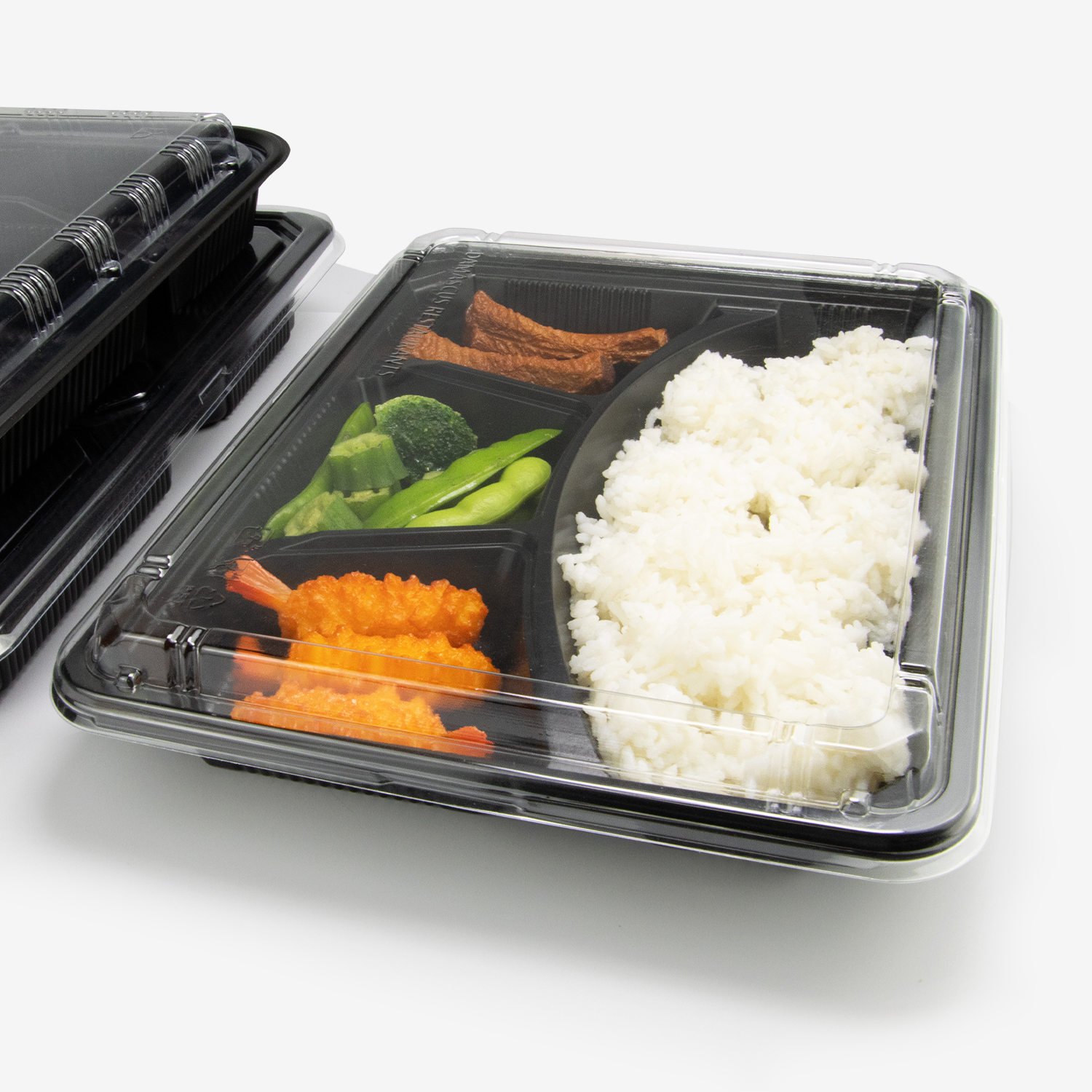
Another aspect to consider is the sealing  mechanism. Trays with secure seals help maintain food  freshness  and prevent contamination. It’s advisable to request samples prior to placing bulk orders, allowing for real-world  testing under actual operating conditions. This  step can help identify any potential issues  with compatibility with existing  packaging or distribution processes.

Quality Control Considerations

Buyers should inquire about the manufacturer's quality  control processes. Certifications such as ISO 9001 can indicate  a commitment  to quality management practices. Furthermore, understanding the manufacturer's capability for consistent  production and any historical issues  with defects can provide further reassurance of the product's reliability.
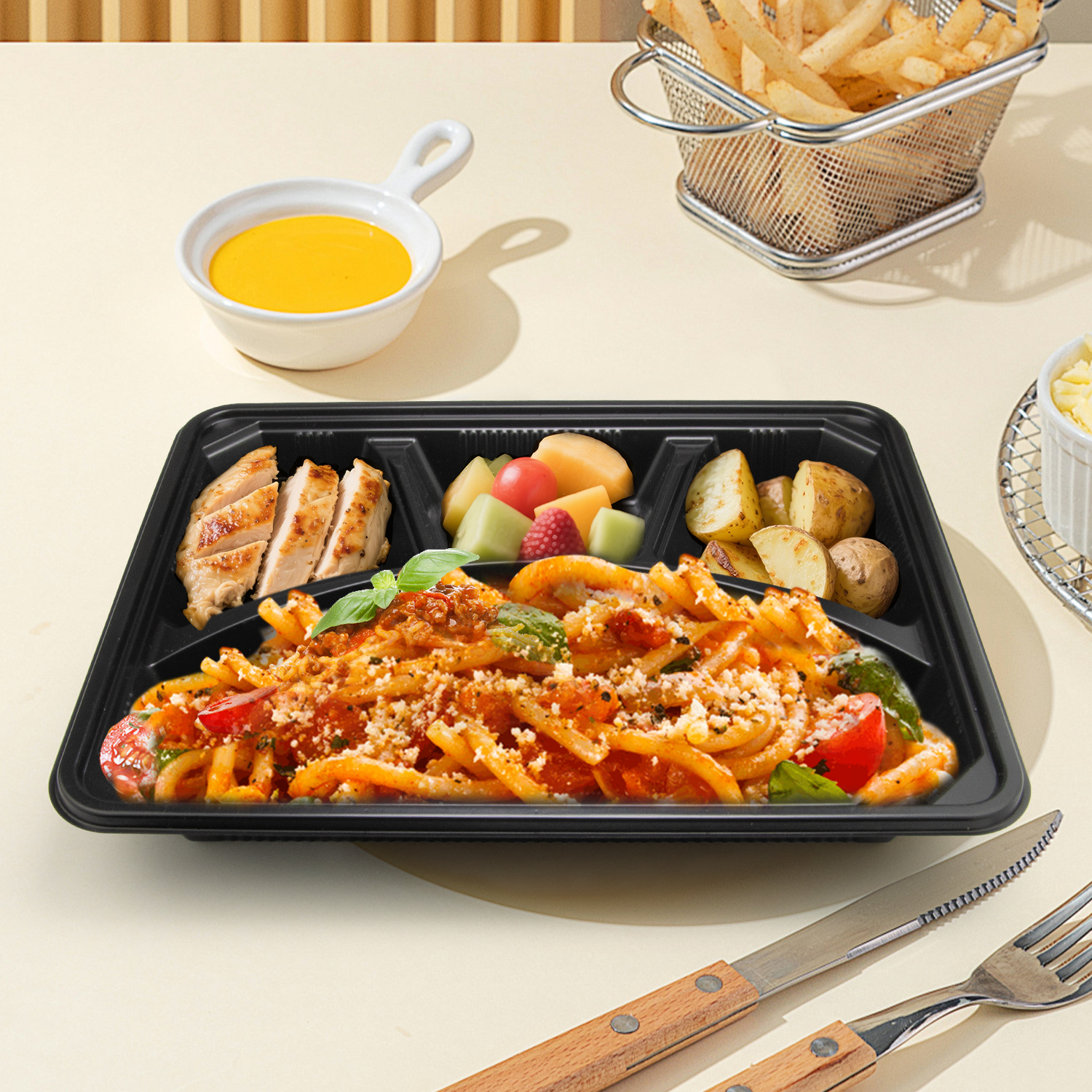
Where to Source Reliable Microwavable Food Trays for Your Projects

Where to Source Reliable Microwavable Food Trays for Your Projects

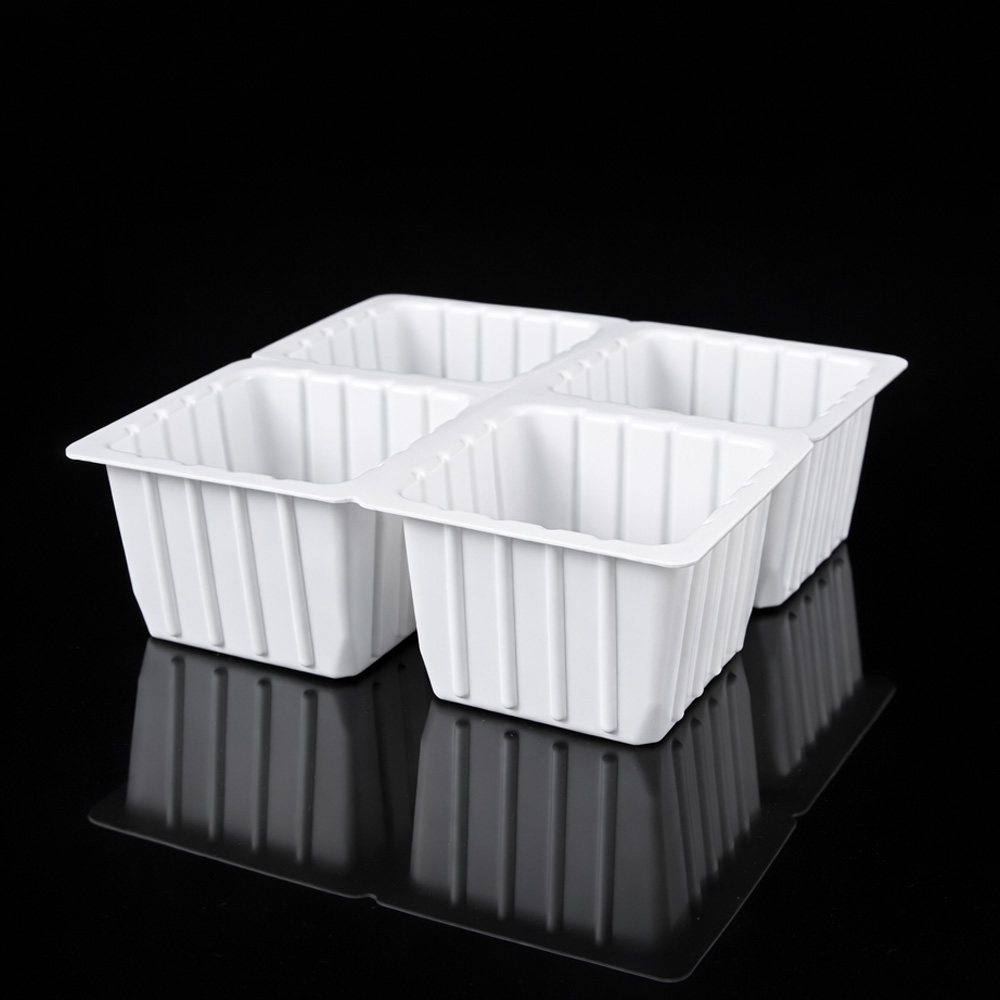
Sourcing microwavable food trays requires considering both  suppliers’ reputations and their  manufacturing capabilities. Start by identifying  suppliers with  proven experience in food  packaging,  as  they are  more likely to understand industry-specific regulations and requirements. XM XIEFA, for instance, specializes in  innovative food packaging solutions and  has  a robust global sourcing network that can meet diverse project needs. For those looking for specific packaging solutions, options like the Customized wholesale 15-compartment white PP dumpling tray packaging can be particularly useful.

Engaging in  supplier  evaluations should also focus on their flexibility in customization. Whether you need unique dimensions, branding options, or  specific materials,  a capable supplier can  accommodate these requests. Additionally,  verifying their lead times for  production and shipping is essential for  ensuring that your supply chain remains  uninterrupted.

Common Problems with Microwavable Food Trays and Effective Solutions

Common Problems with Microwavable Food Trays and Effective Solutions

Several common issues  can arise  with microwavable food trays, and understanding  these can  help buyers avoid  pitfalls.  One frequent problem is tray deformation during microwaving, which can compromise food safety  and  presentation. To mitigate this, buyers should choose  trays that meet specific temperature resistance standards  and conduct thorough testing  with their food products.

Another  issue is the potential for leaks or spills, especially with  liquid-heavy  foods. Selecting trays with adequate sealing technology helps prevent this problem. If leaks are detected during testing, buyers should consult with the manufacturer for insights into material properties and possible redesign options.

Maintenance and Operational Concerns

Proper handling during transportation and storage  is  vital to  maintaining tray quality. Ensuring that trays are stored in a climate-controlled environment can  help preserve their integrity before use. Moreover, training staff on proper usage can further  minimize  the risk of operational issues.

Applications of Microwavable Food Trays in Food Service and Retail

Microwavable food trays serve a wide range of applications across food service and  retail sectors. In food service, they are ideal for meal prep,  catering, and ready-to-eat meals, allowing  for convenient heating and serving. Their  ability to withstand high temperatures makes them suitable for reheating a  variety of foods without compromising safety or quality.

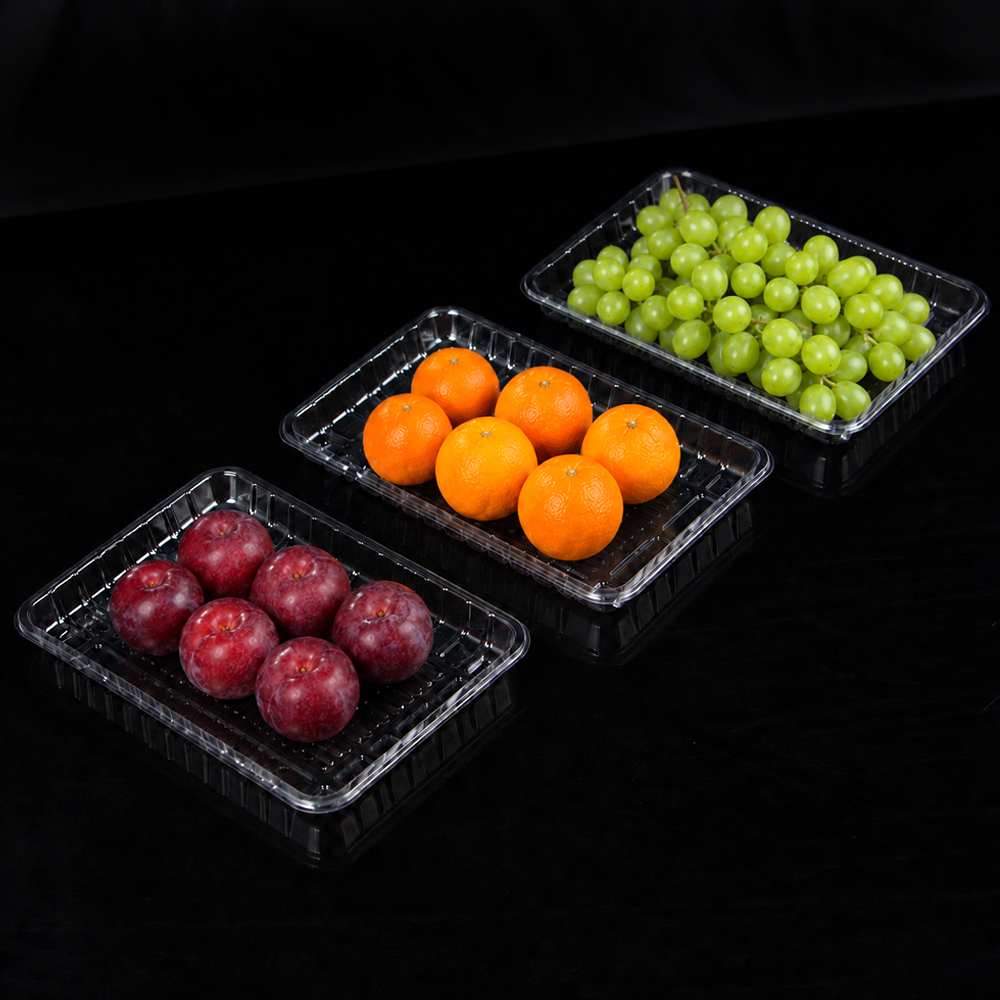
In retail, these trays are essential  for packaging frozen meals or  fresh  produce.  Their design can enhance product visibility while ensuring that items remain secure and uncontaminated. Buyers should consider the specific application  when selecting trays, as factors such as size, shape, and material will affect performance. For example, the White sealable PP tray box with anti-slip stripes, suitable for supermarkets is a great choice for retail settings.

Customization for Specific Needs

Custom designs  can also cater to  specific branding needs, where unique shapes or colors  can make products stand out on shelves. Collaborating with a  supplier that offers customization options  can position your  products  more attractively in the market.

In summary, understanding the intricacies of microwavable food trays—such as cost factors, quality evaluation, sourcing  strategies, common challenges, and applications—can empower B2B  buyers to make informed decisions. By  focusing on these elements, purchasing managers and distributors can optimize their procurement processes and enhance the efficiency of their operations.