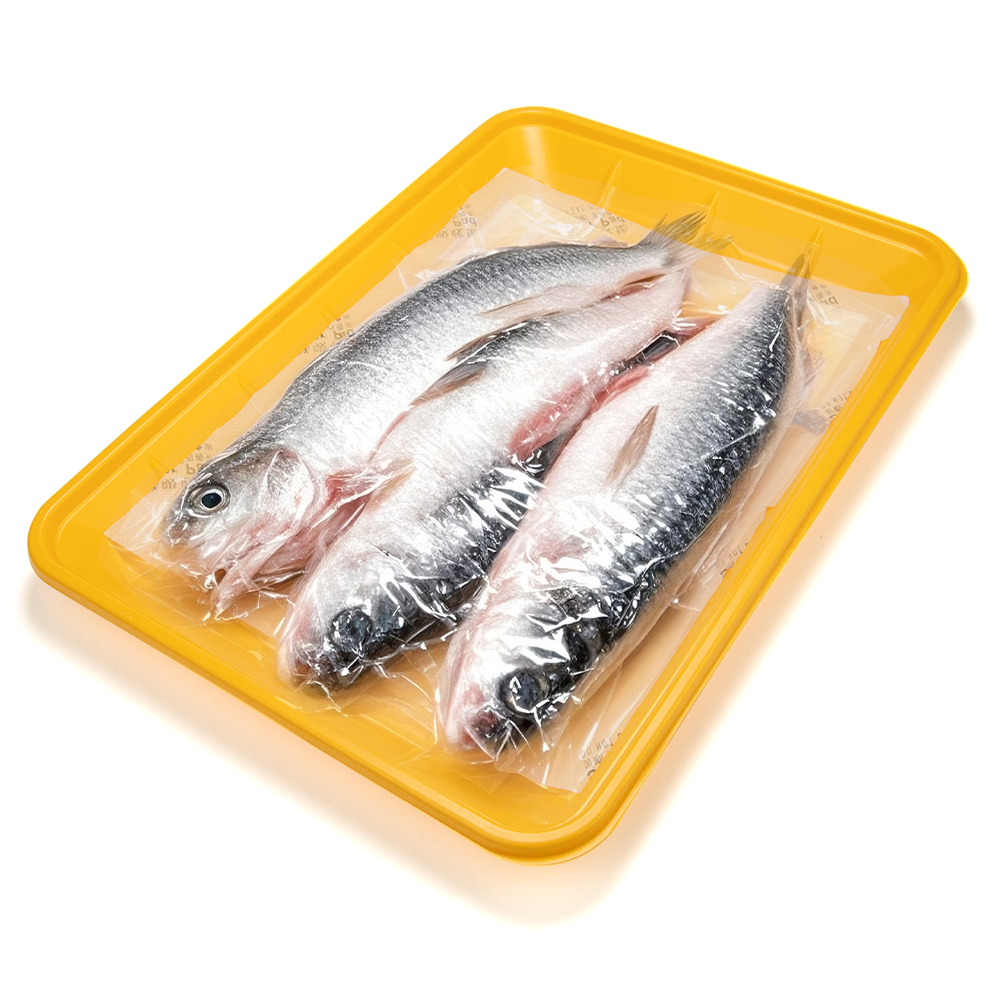
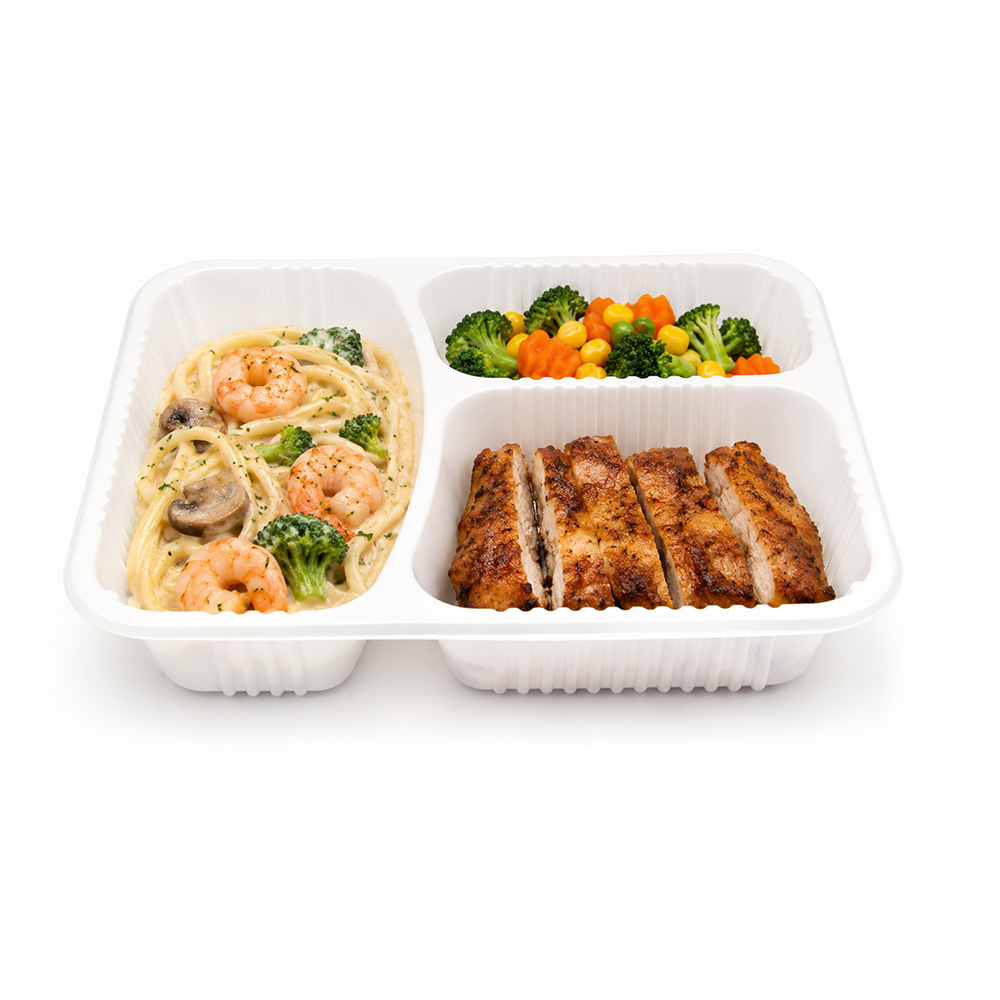
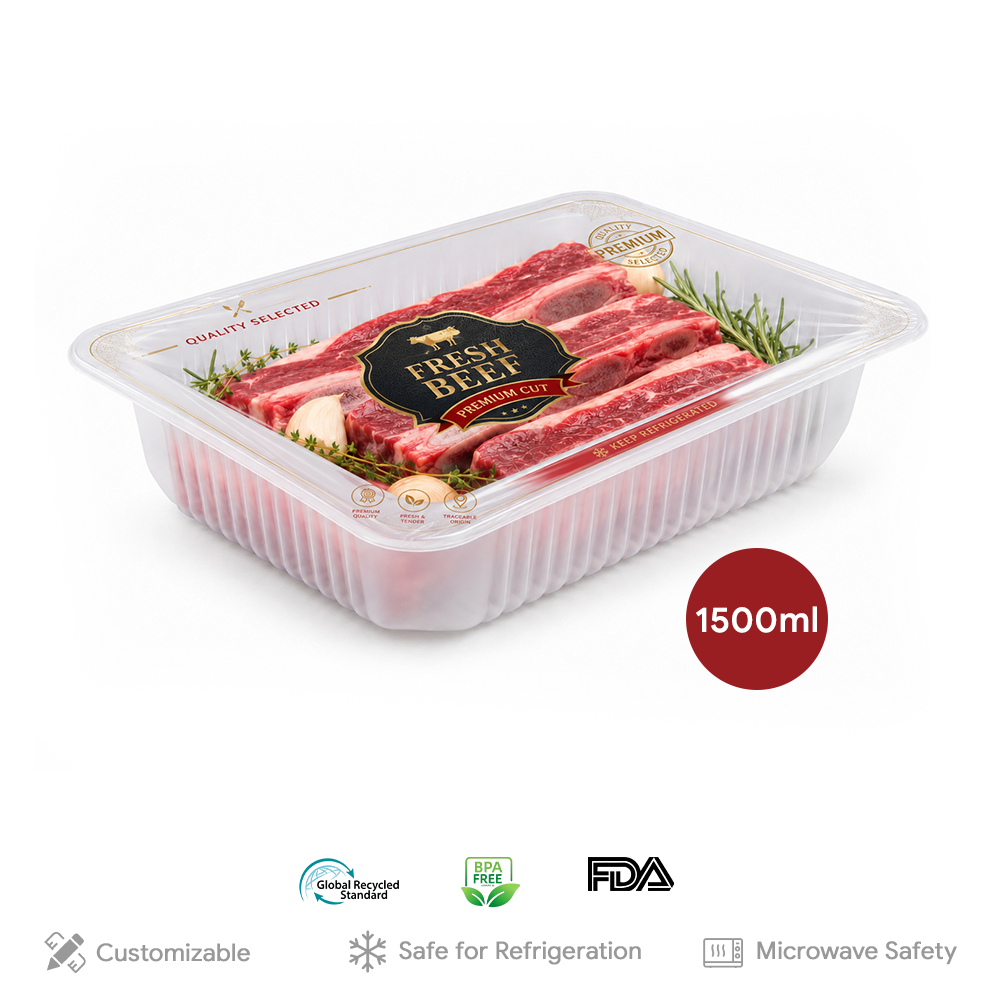
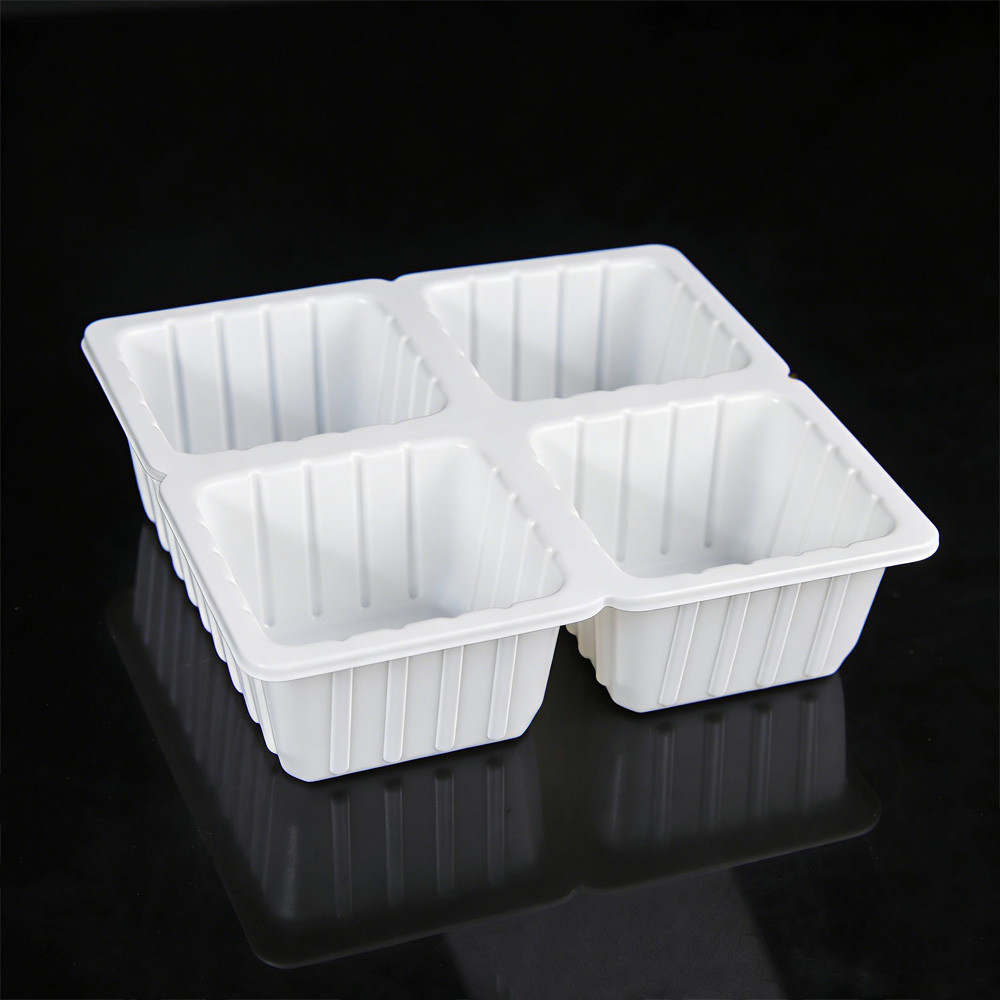
Specifications for Disposable Food Packaging Trays

Contact Sales

Talk To Our Expert

Talk To Our Expert

Name
Email
Mobile
Message
0/1000

disposable food packaging tray

Disposable food packaging trays are essential  components in the food  service and retail industries, providing  a practical solution  for serving, storing,  and transporting food products.  As a purchasing manager or  product manager, your primary concerns often  revolve around  the quality, specifications, and cost-effectiveness of these  trays. This article  will help you navigate the critical  aspects  of  disposable food  packaging  trays, including specifications,  cost factors, applications across various industries, the  benefits of eco-friendly  materials, and the importance  of supplier reliability.
Our Products

Specifications You Need for Disposable Food Packaging Trays

When evaluating disposable food packaging trays, several key specifications should be considered to ensure they meet  your operational needs. These specifications include:

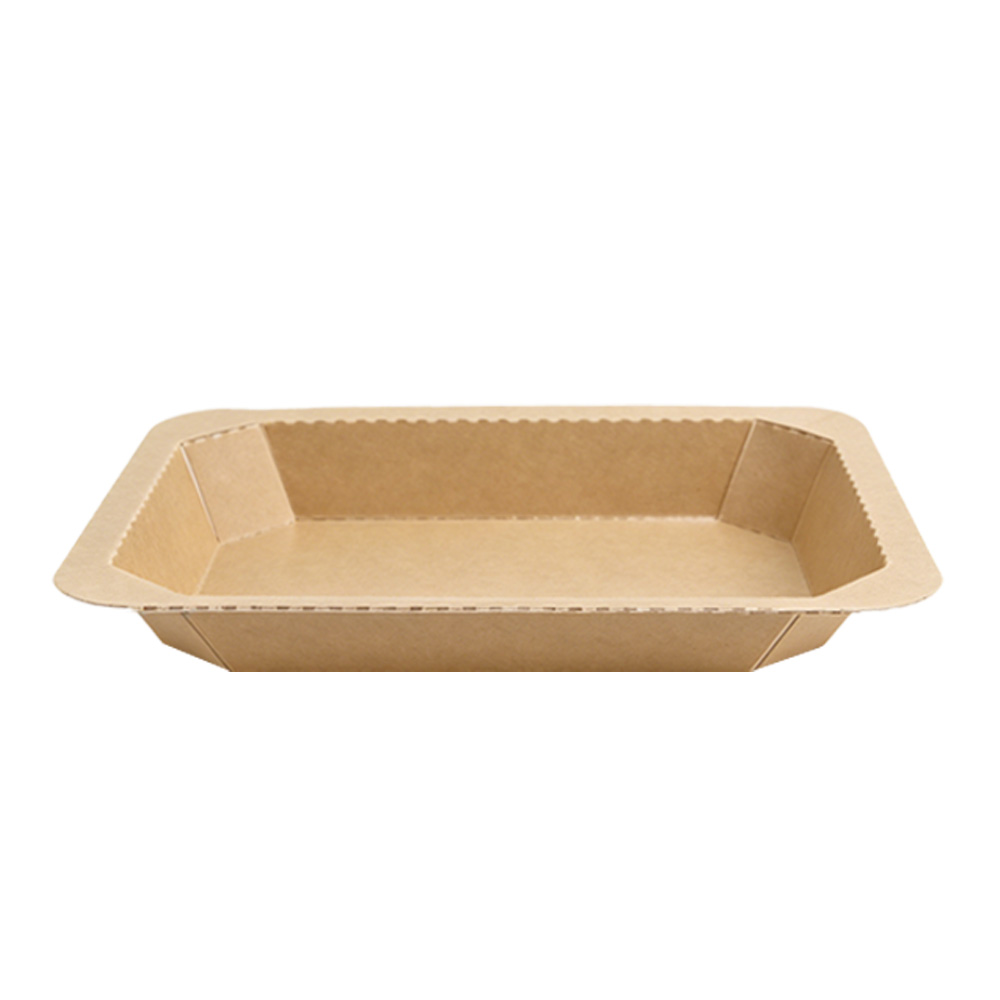
Material Composition: Common materials for disposable trays include plastic (such as PET or PS), paper, and biodegradable options. Each material  offers distinct advantages; for instance, plastic provides excellent moisture resistance, while  biodegradable trays support sustainability initiatives. If you are interested in eco-friendly choices, consider our Paper food takeout containers as a viable option.

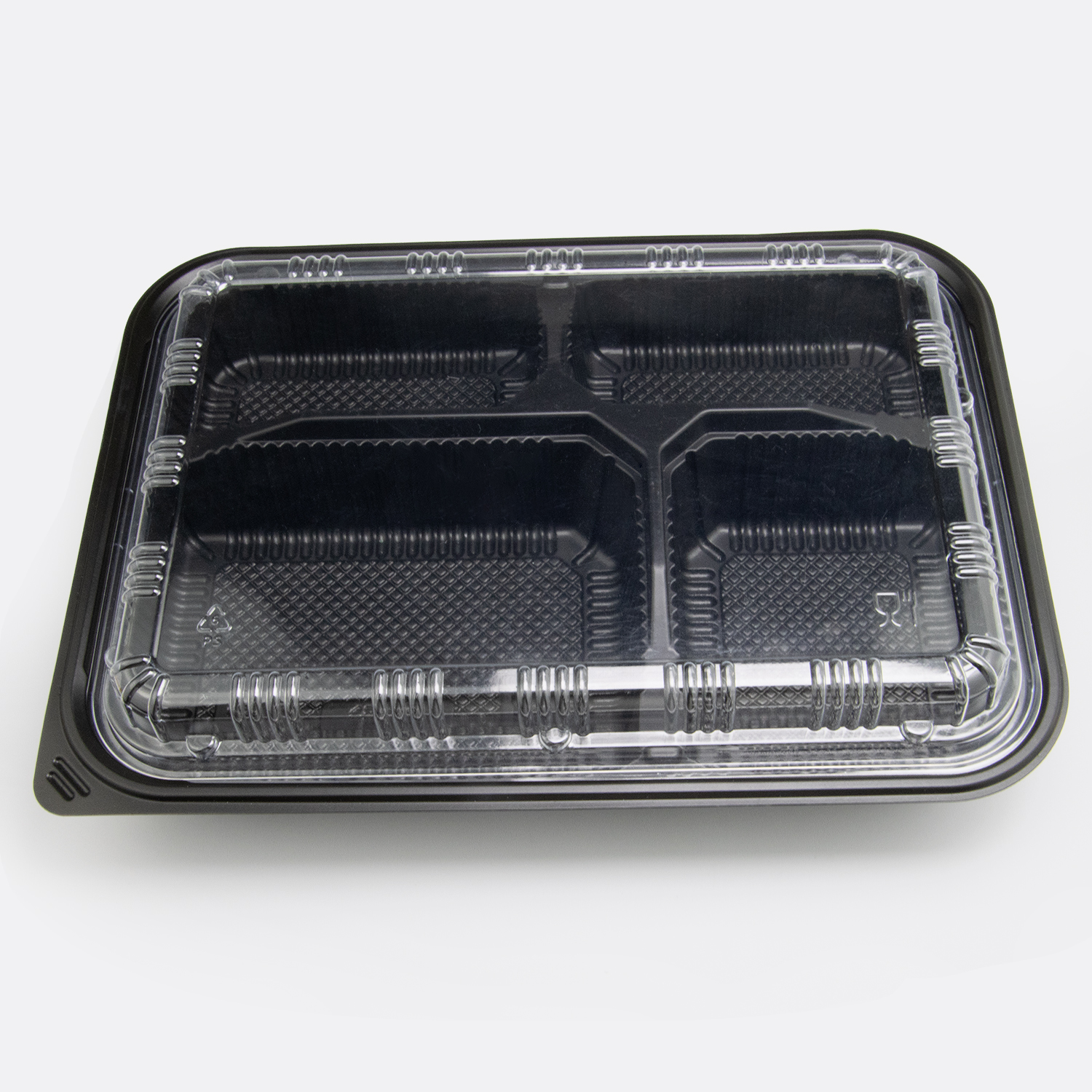
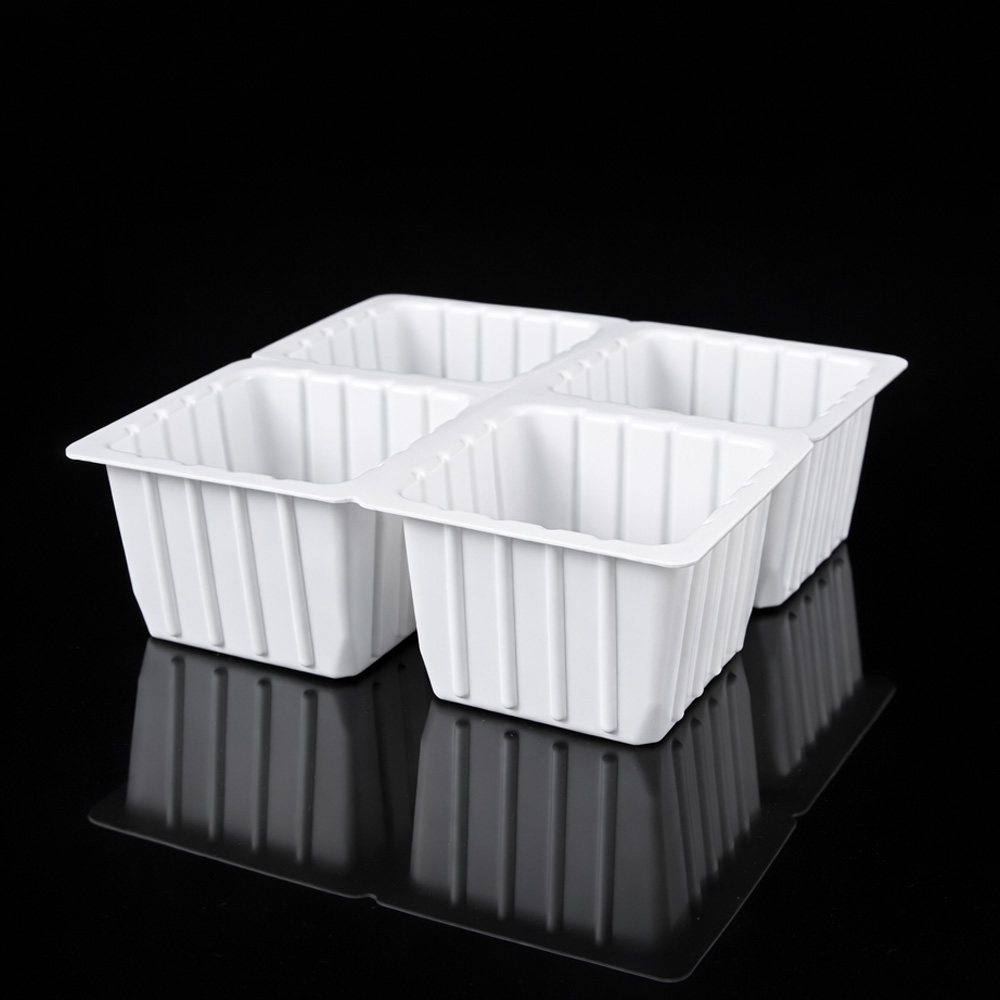
Dimensions and Capacity: The size of the tray should align with portion sizes and the type of food being  served. Standard  dimensions might  include shallow or deep designs, which  affect how well  they hold food items and how they stack during storage and transport.

Weight and Thickness: A thicker tray  generally provides better durability and support for heavier food items. Buyers should verify the weight capacity  to  ensure it matches the expected usage scenario.


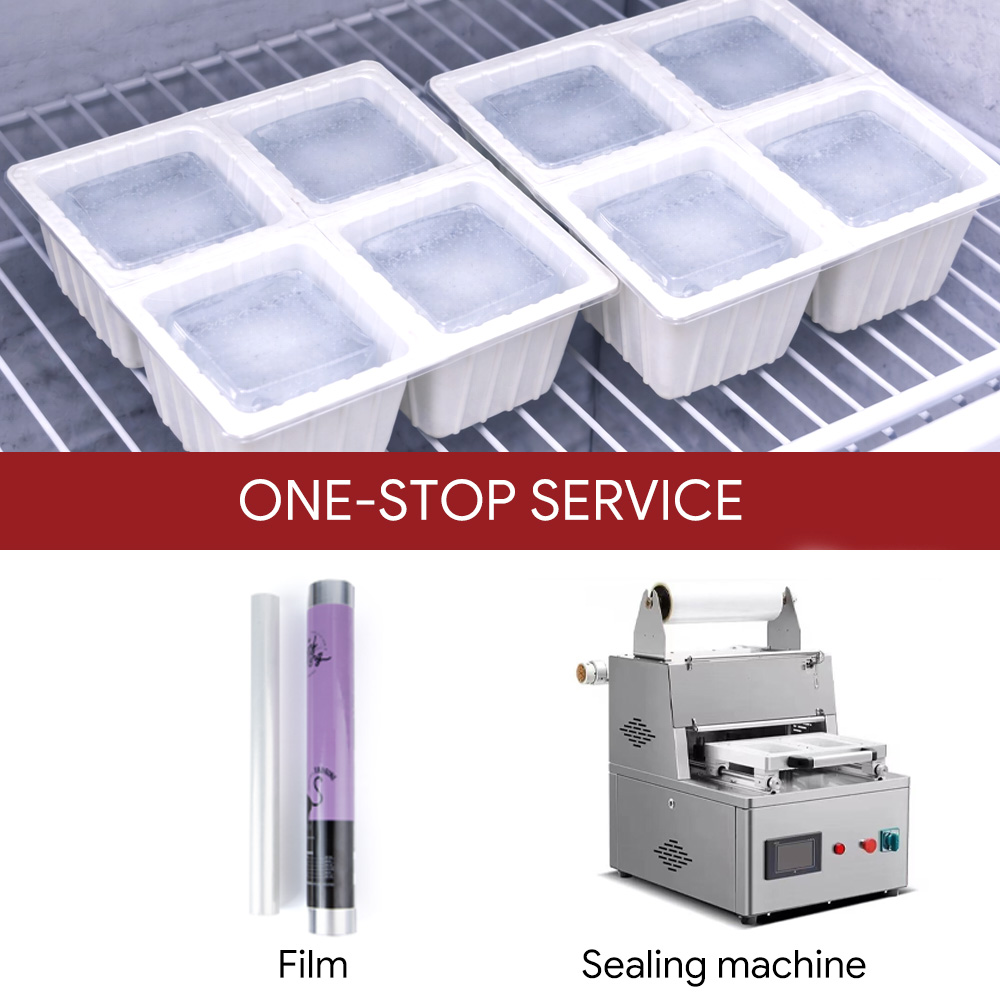
Sealing and Closure Options: Some trays come with lids or sealing features that enhance their functionality, especially for  takeout  applications. Understanding the sealing mechanism is essential  for maintaining food freshness and preventing spills.


Compliance and  Certifications: Depending on your  market, you  may require trays that meet specific food safety standards. Certifications, like FDA approval for food contact materials, are crucial for ensuring regulatory compliance.

By confirming these specifications, you can make informed choices  that align with your quality requirements and operational needs.

Get a Free Quote

Our representative will contact you soon.
Email
Name
Company Name
Message
0/1000

Related product categories

Understanding Cost Factors for Bulk Disposable Food Packaging Trays

Understanding Cost Factors for Bulk Disposable Food Packaging Trays

Pricing  for disposable food packaging trays  can vary significantly based on several factors:

Material Selection: The choice of material directly impacts cost. For example, biodegradable materials  may be more expensive than standard plastics due to  the manufacturing processes involved and the supply chain for eco-friendly materials. If you're looking for alternatives, explore our Plastic food takeout containers.

Order Volume: Purchasing in bulk typically  reduces the per-unit  cost. Understanding the minimum order quantity (MOQ) is essential for budget  planning. Manufacturers often offer tiered pricing based on volume.

Customization Requirements: Custom designs, colors, or branding can increase costs. If you require specific printing or shapes, be sure to discuss these needs upfront to receive accurate quotations.

Supply Chain Logistics: Shipping costs can also  affect overall pricing. Consider  the delivery location and whether the supplier has additional  charges for freight, especially for  international orders.

Lead  Time:  Rush orders may  incur additional costs. It’s essential to factor in lead times when planning your supply chain to  avoid production  delays.

By understanding these cost factors,  you can better negotiate  with  suppliers and make informed purchasing decisions.
 
Applications of Disposable Food Packaging Trays in Various Industries

Applications of Disposable Food Packaging Trays in Various Industries

Disposable food packaging trays serve a variety of applications across  multiple sectors:

Food Service: Restaurants and catering  services use these trays  to serve takeout and delivery meals.  Their ability to maintain food temperature  and presentation is  crucial in this industry.

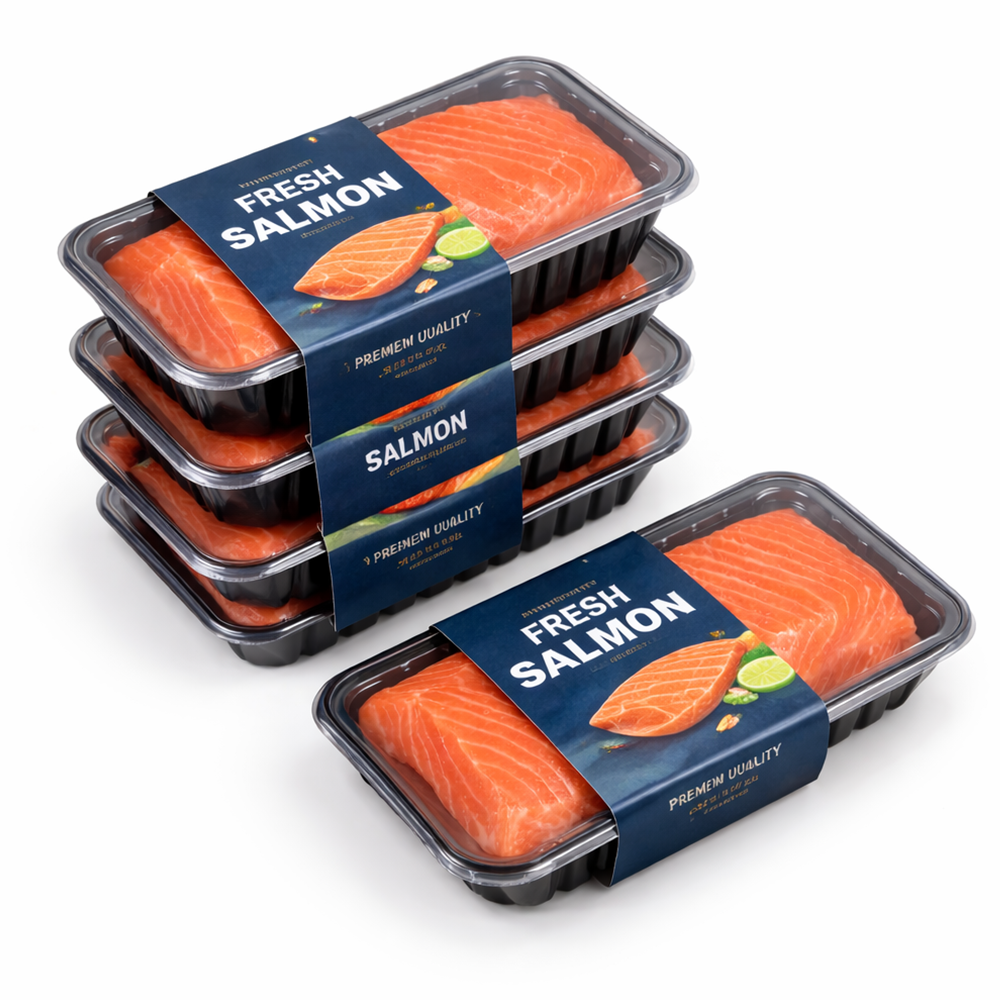
Retail: Grocery stores and food markets utilize  disposable trays for pre-packaged meals, salads, and  other food items. The aesthetics of the tray can influence consumer  purchasing decisions.

Food  Manufacturing: In industrial settings, disposable trays are used for portioning, transporting, and storing ingredients. Their durability  is  vital for safe  handling during production processes.

Hospitality: Hotels and event  venues rely  on disposable trays for buffets,  banquets, and  room service. These trays facilitate easy  cleanup while providing a professional appearance.

Each industry has unique requirements for packaging solutions, and selecting the right disposable food  packaging  trays can enhance operational efficiency and customer satisfaction.

Benefits of Using Eco-Friendly Materials in Disposable Food Packaging

Benefits of Using Eco-Friendly Materials in Disposable Food Packaging

Shifting towards eco-friendly materials in disposable food  packaging trays offers numerous advantages:

Sustainability: Using biodegradable or compostable materials helps reduce environmental impact. This can enhance  your brand’s reputation and appeal to environmentally conscious consumers.

Compliance  with Regulations: Many regions  are  enacting stricter regulations  on single-use plastics. Adopting eco-friendly options can ensure  compliance and  prevent potential fines or restrictions.

Consumer Preference: There is a growing  demand  for sustainable products among consumers. Offering  eco-friendly packaging can differentiate your brand and attract  new customers.


Cost-Effective in the  Long Run: While eco-friendly materials may have a  higher initial cost, they can lead to savings through reduced waste disposal costs and improved brand loyalty.

Enhanced Marketing Opportunities:  Brands that promote their commitment to sustainability can leverage this in their marketing strategies, potentially increasing sales and customer  loyalty.

Investing in eco-friendly disposable food  packaging  trays not only addresses consumer expectations but also aligns with global sustainability  goals.

Why Supplier Reliability Matters for Disposable Food Packaging Trays

Choosing a reliable supplier for disposable food  packaging trays  is  crucial for ensuring consistent quality and timely delivery. Key considerations include:

Quality Assurance: A trustworthy supplier will have established quality control processes to  ensure that all products meet required specifications  and safety standards. Inconsistent quality can lead  to operational disruptions and customer complaints.

Production Capacity: Understanding a supplier’s production capabilities helps ensure they can meet your demand, especially  during peak seasons. Inquire  about their lead  times and ability to handle bulk orders.

Communication: A reliable supplier should maintain open lines of communication, providing updates on order status  and addressing concerns promptly. Good communication can mitigate issues before they escalate.

Experience and  Expertise: Suppliers with proven experience in the food  packaging industry are more likely to  understand the challenges and requirements unique to your business. Their expertise can guide  you in selecting the right products.

Customization Options: If your business requires specific designs or features, a  reliable supplier should  offer customization services to accommodate  your needs.

By prioritizing supplier reliability, you can build  strong partnerships that enhance your operational efficiency and  product  quality.