Choosing the Right Disposable Cake Container

Contact Sales

Talk To Our Expert

Talk To Our Expert

Name
Email
Mobile
Message
0/1000

disposable cake container

Disposable cake containers are essential  tools for  the food packaging industry, allowing businesses to transport and display cakes securely while maintaining  their freshness  and appearance.  As  a purchasing manager or distributor, your primary  concerns likely include ensuring product  quality, material suitability,  and  cost-effectiveness. This article will guide you  through the critical aspects  of  selecting the right disposable  cake container, evaluating their quality,  identifying common issues, and  providing wholesale  buying  tips, all aimed  at  enhancing your purchasing decision.
Our Products

Choosing the Right Disposable Cake Container for Your Needs

When selecting a disposable cake container, consider the specific requirements of  your application.  Key factors include the size and  shape of the cake, the material  composition of  the container, and the intended use, whether for retail display  or  transport.

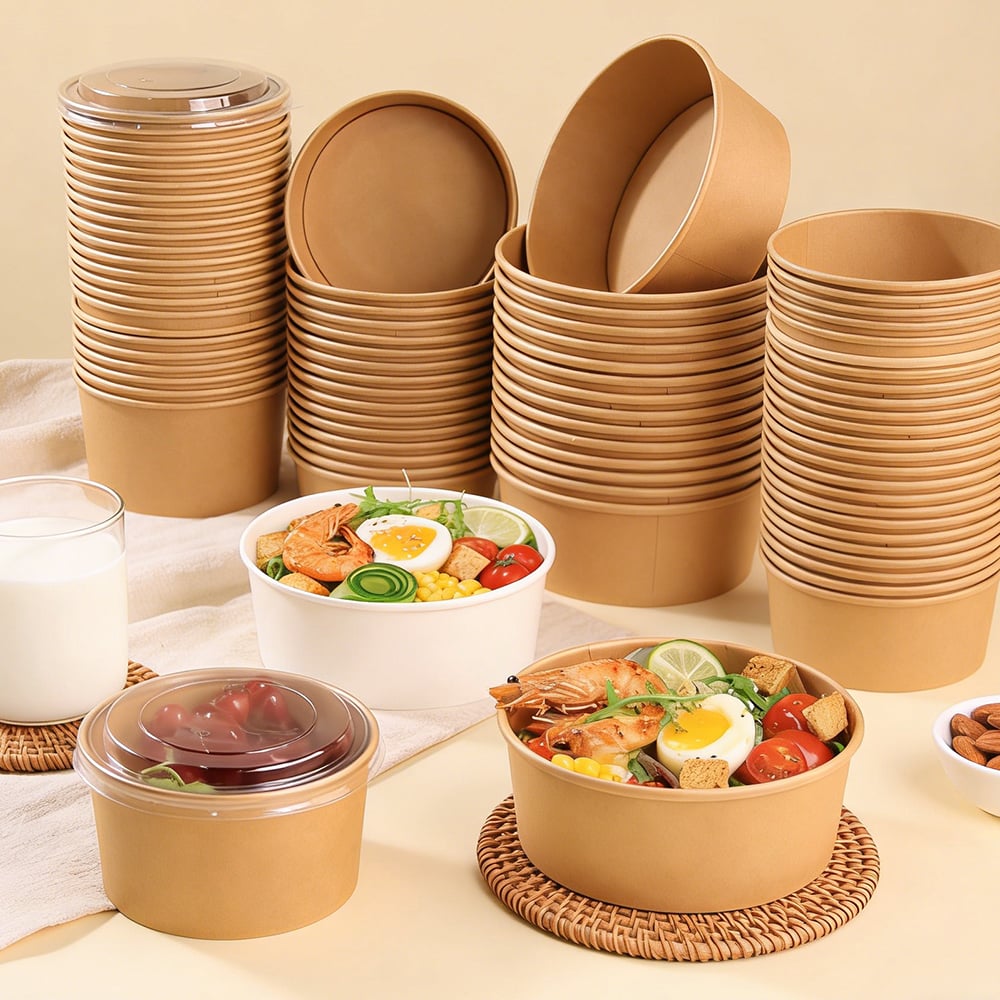
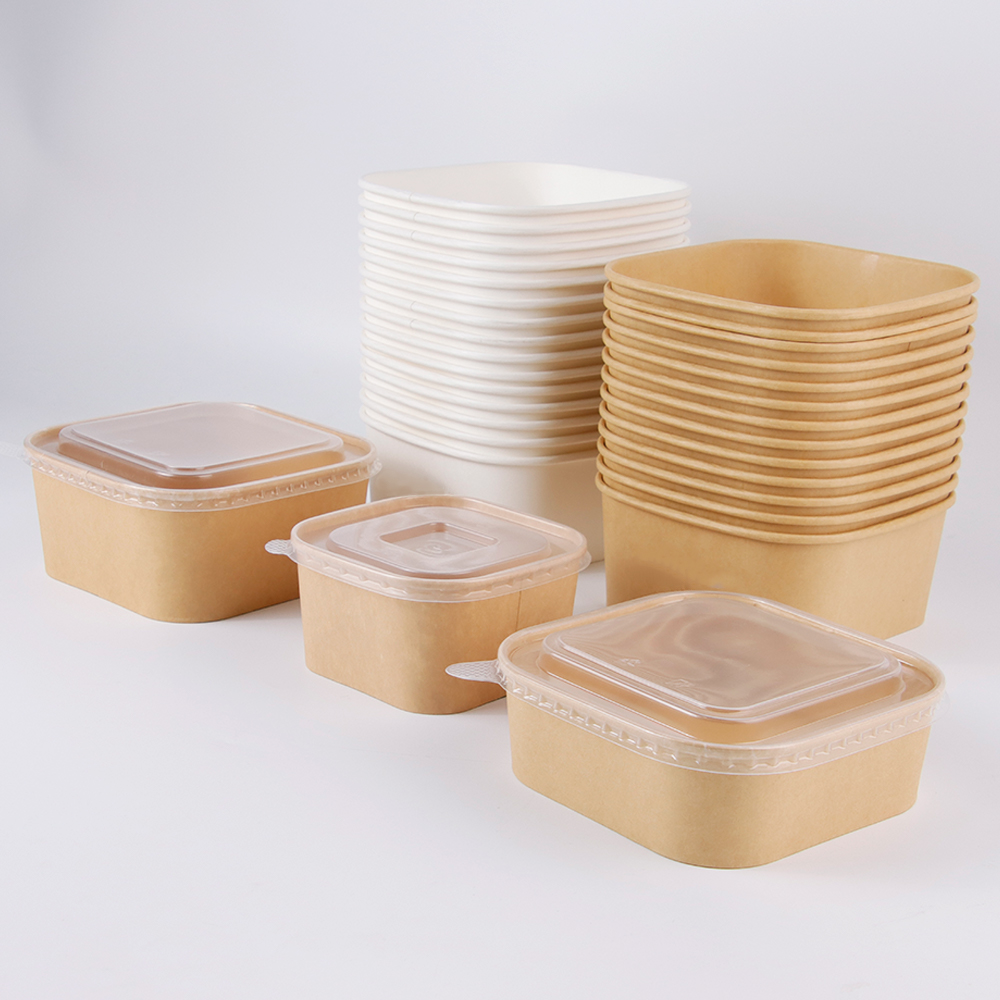
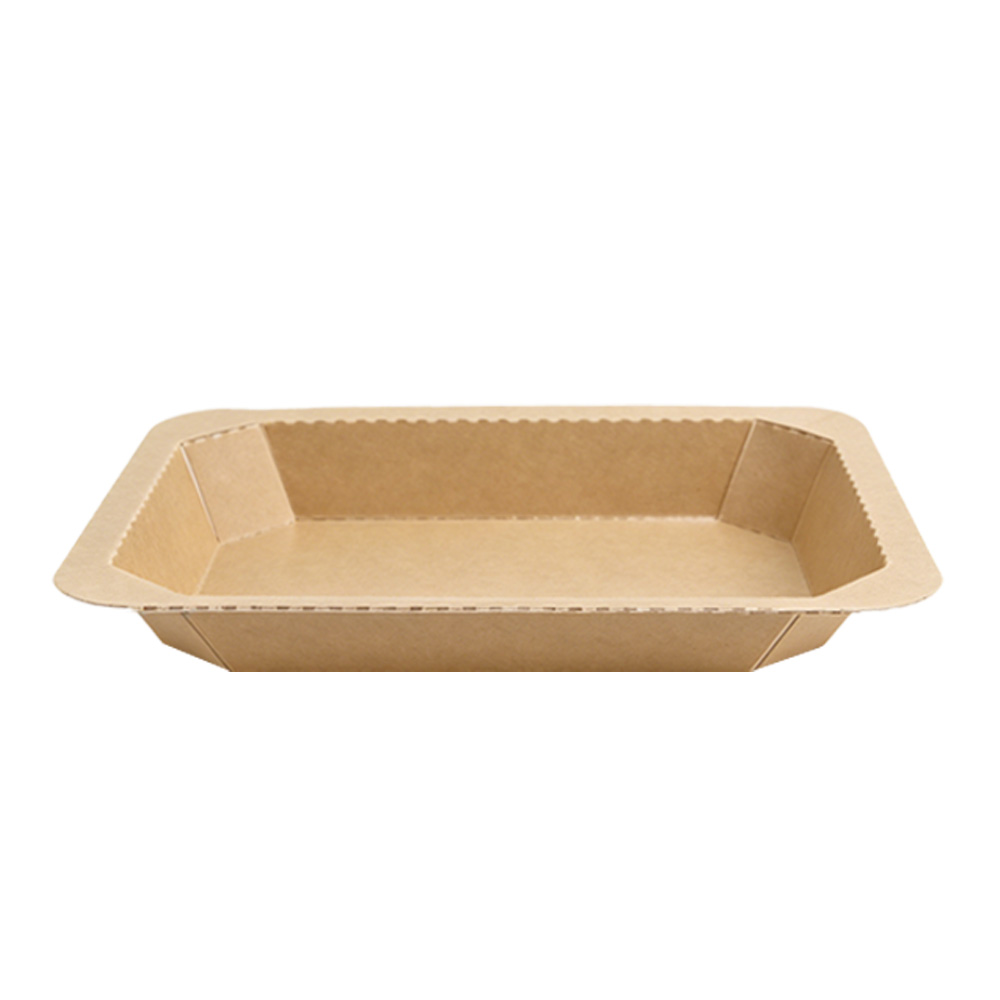
Material  Selection: Disposable cake  containers are typically  made from  plastic, paperboard, or eco-friendly materials. Plastic containers offer durability and moisture resistance, making them suitable for moist cakes, while paperboard may provide a more appealing aesthetic for display purposes. Eco-friendly  options are  increasingly popular, catering to businesses aiming to reduce their  environmental footprint. For instance, consider our biodegradable kraft paper bowls with lids for takeaway food containers as an eco-friendly choice.

Size and Shape: Ensure the  container's dimensions match the cake's size to avoid damage during transport. It's also essential to consider  the height  of the container, especially for multi-layer cakes. Custom  sizes may be available, providing flexibility for unique cake designs.

Ventilation and Sealing: Some containers  feature ventilation holes to prevent condensation, which can compromise the cake's integrity. Additionally, secure sealing mechanisms, such as  snap-on lids or locking tabs, help maintain freshness and prevent spills.

Get a Free Quote

Our representative will contact you soon.
Email
Name
Company Name
Message
0/1000

Related product categories

Key Specifications to Consider in Disposable Cake Containers

Quality evaluation of disposable cake containers is crucial to ensure they meet your operational standards. Here are key criteria to consider:

Material Integrity: Examine the  container for  any signs of brittleness or weakness, especially at the seams and edges. High-quality containers should  withstand handling without cracking  or breaking.

Weight Capacity: Assess the weight capacity of the  container, particularly  for heavy cakes. A  container that  cannot support the cake's weight may lead  to failures during transportation.

Barrier Properties: The container material should provide adequate barriers against moisture  and air, which is vital for preserving the cake's freshness.  Testing the container under actual  operating conditions can yield  insights into its performance.

Certifications and Compliance: Verify  if the containers  meet industry standards  and safety  regulations, particularly if they  will come into contact with  food. Certifications can indicate adherence  to quality control processes.

Evaluating the Quality of Disposable Cake Containers for Bulk Orders

Several common problems can arise with disposable cake containers, impacting their  effectiveness and usability:

Sealing Issues: A  poorly sealed container can lead to exposure to air and moisture, affecting the cake’s quality.  Ensure that  the  chosen container has a reliable  sealing mechanism. If you  notice frequent issues, consider containers with tamper-evident features to  maintain product integrity.

Structural Failures: Containers may collapse  under  the weight of heavy cakes. Opt for containers designed with reinforced  bases or consider using additional support structures, like  cake boards, to distribute weight evenly.

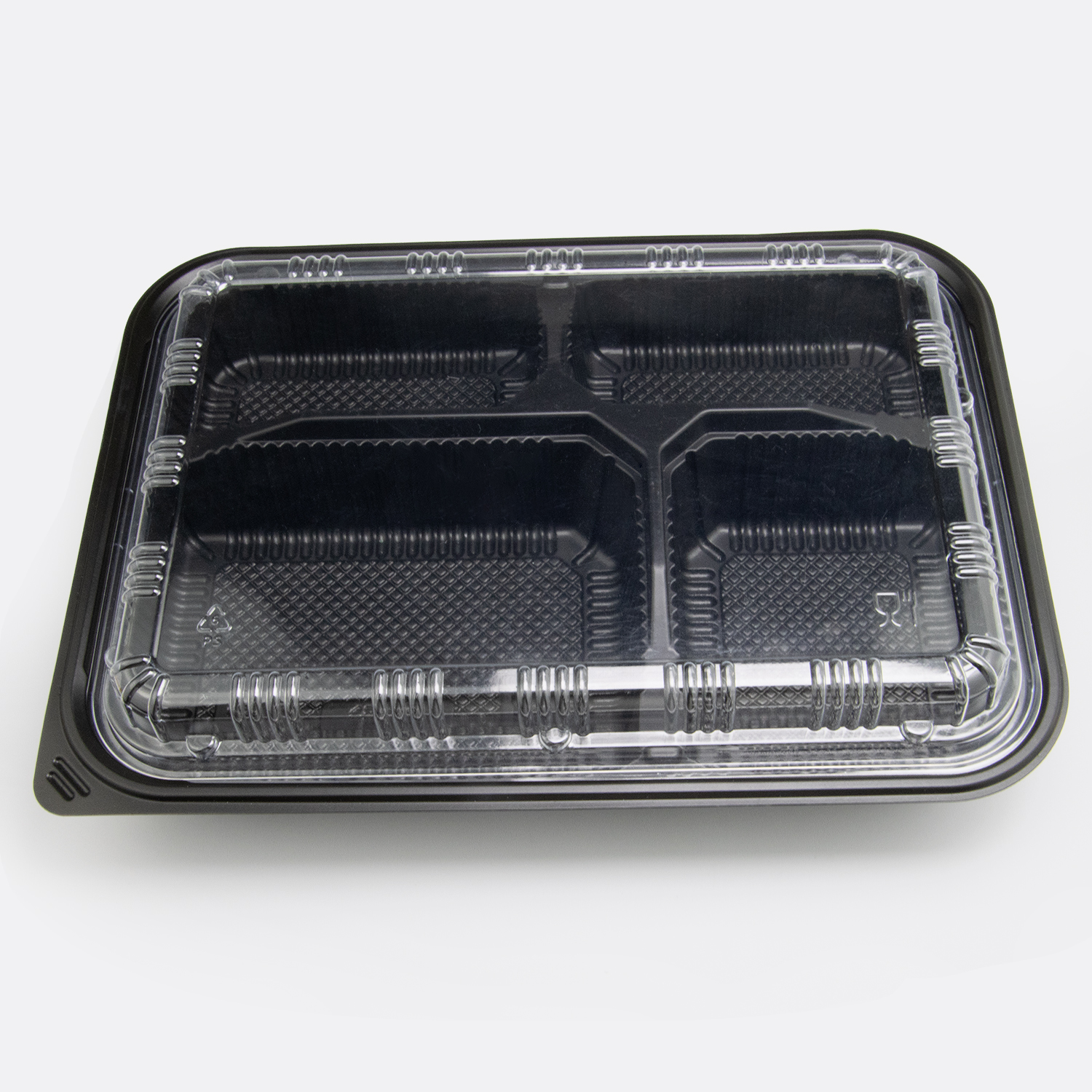
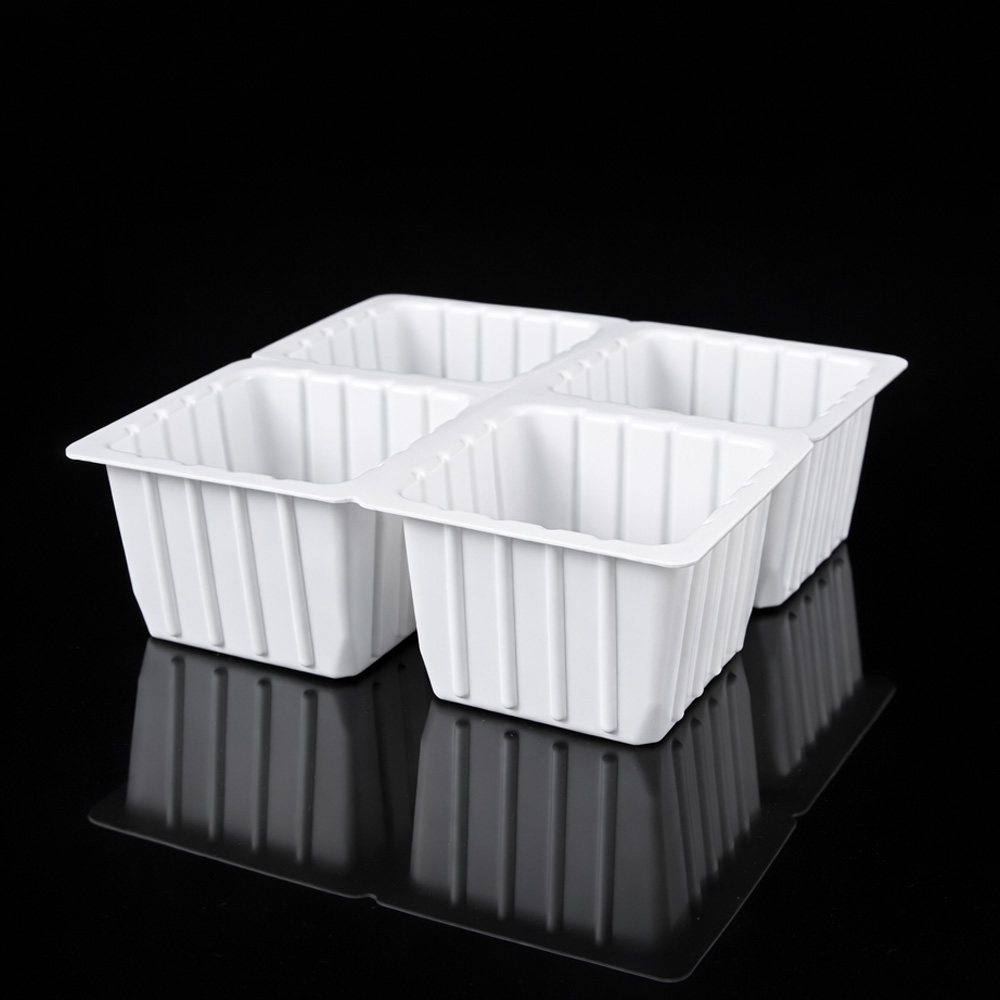
Incompatibility with Cake Types: Certain cake  types,  especially those  with heavy frostings or fillings, may require specific container designs. Work with suppliers who can provide recommendations based on the  cake types you frequently handle, such as our Factory Customization Yellow PP Meat Food Trays.

Transportation Damage: To minimize  damage  during transport, use containers  with secure closures and  consider cushioning materials within packaging. Custom packaging solutions tailored to your logistics can also enhance protection.

Understanding Pricing for Wholesale Cake Containers

When purchasing disposable cake containers in bulk, keeping several factors in mind can help you  make informed decisions:

Minimum Order Quantity (MOQ): Understand the  supplier's MOQ, as this can affect your purchasing strategy. A higher MOQ may lead to cost savings but could also tie  up capital  and storage space.


Pricing  Structure: Compare pricing  among different suppliers, factoring in shipping costs and potential  discounts for larger  orders. Be cautious of extremely low prices,  as they may indicate compromised quality.

Supplier Reputation: Research potential suppliers for their industry  experience, customer service, and product quality history. A supplier with a solid reputation can be a valuable partner for your  business.

Customization Options: If your cakes have unique  dimensions or require specific branding, inquire  about customization capabilities. Custom containers can enhance your product presentation and brand  identity. For example, you might explore options like our factory custom printed paper sushi boxes for takeout.


Lead Time:  Understand the supplier's lead time for production and delivery. Reliable timelines are crucial for  maintaining your inventory  and meeting customer  demands.

How to Compare Different Disposable Cake Container Options Effectively

Using disposable cake containers effectively requires understanding their design and intended function:

Proper Assembly:  Some containers may require assembly before use. Ensure that your team is trained on the correct assembly  process to avoid structural failures during use.

Storage Considerations: Store containers  in a cool,  dry place to  prevent warping or degradation of materials. Organizing  containers by size and type can streamline  your operations.

Handling Practices: Train  staff on best handling practices to  minimize damage  during both assembly and transport. For  example, avoid stacking filled containers too high to prevent crushing.

Usage Instructions: Provide clear instructions  on how  to fill and seal the containers correctly, especially for new team members. Having visual aids can enhance understanding and compliance.

By  following these  guidelines, you can select appropriate disposable cake containers that align  with your business  needs,  ensure quality, and streamline  your operations. Each detail, from material selection to handling practices,  plays a crucial role in delivering a superior product to your customers.