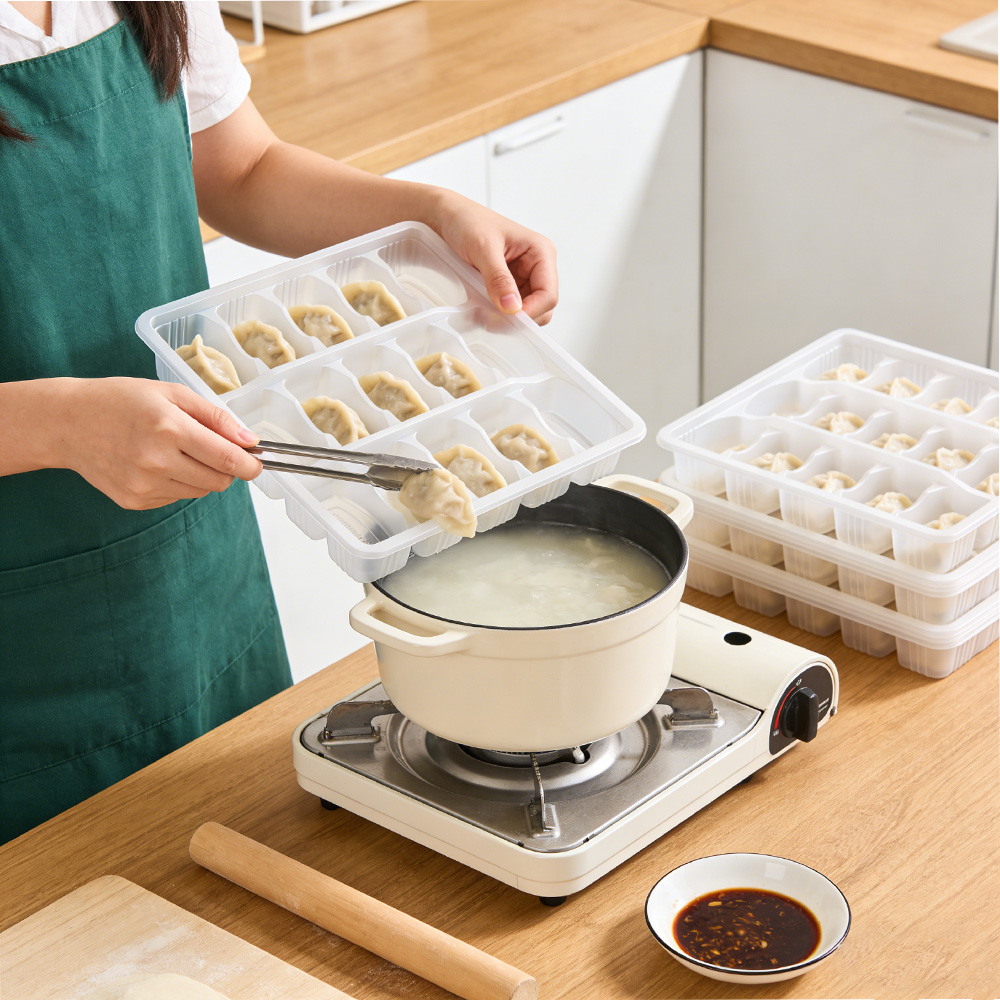
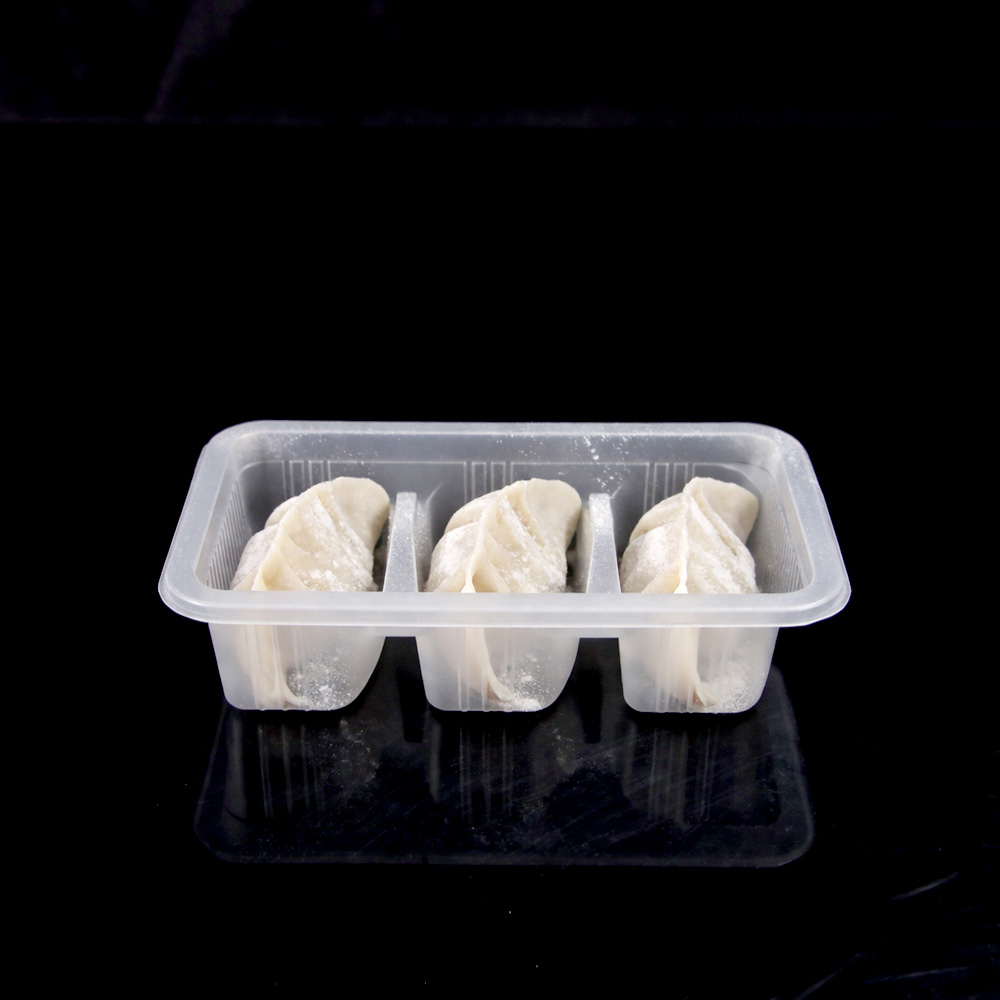
Choosing the right catering plastic containers is essential for food service businesses, as these products play a critical role in food preservation, transport, and presentation. Catering plastic containers offer a convenient solution for storing and serving food across various applications, from restaurants to events. This article will help purchasing managers and business owners understand key considerations when selecting these containers, evaluate their quality, address common problems, and provide installation guidelines tailored to different settings.
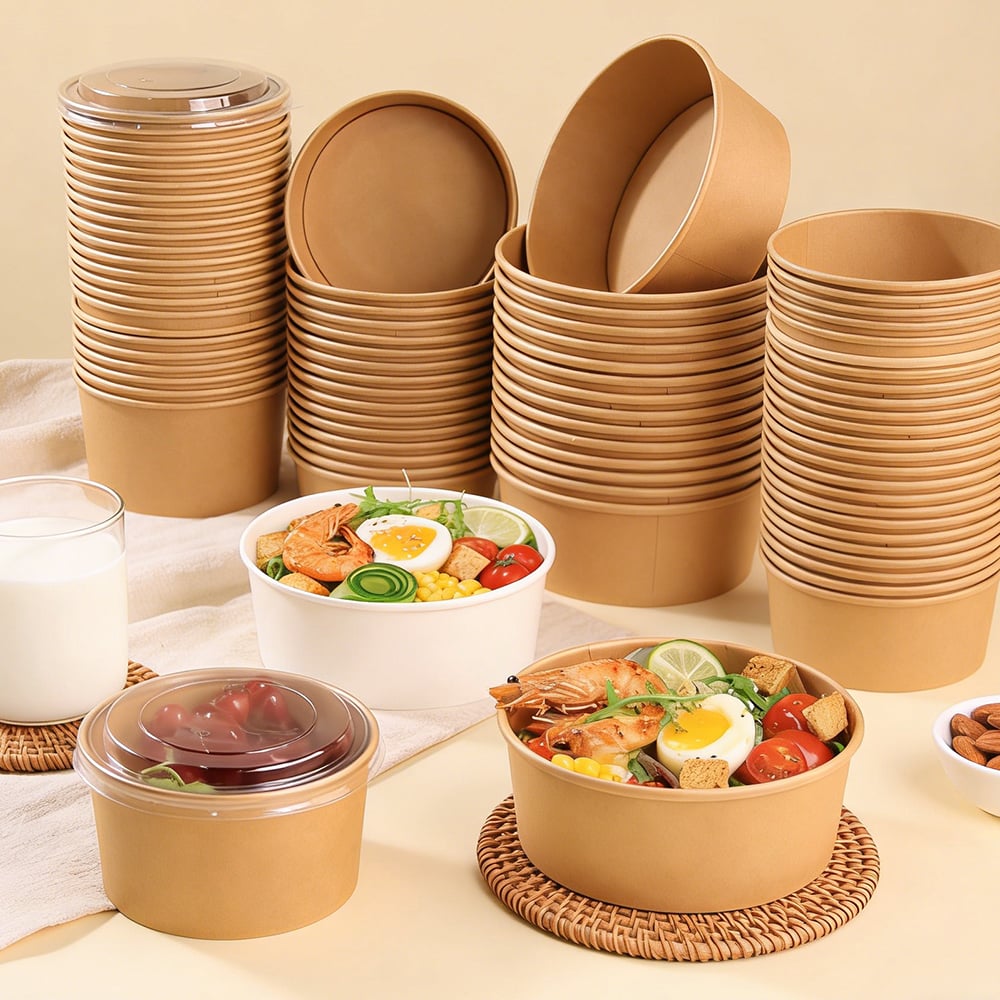
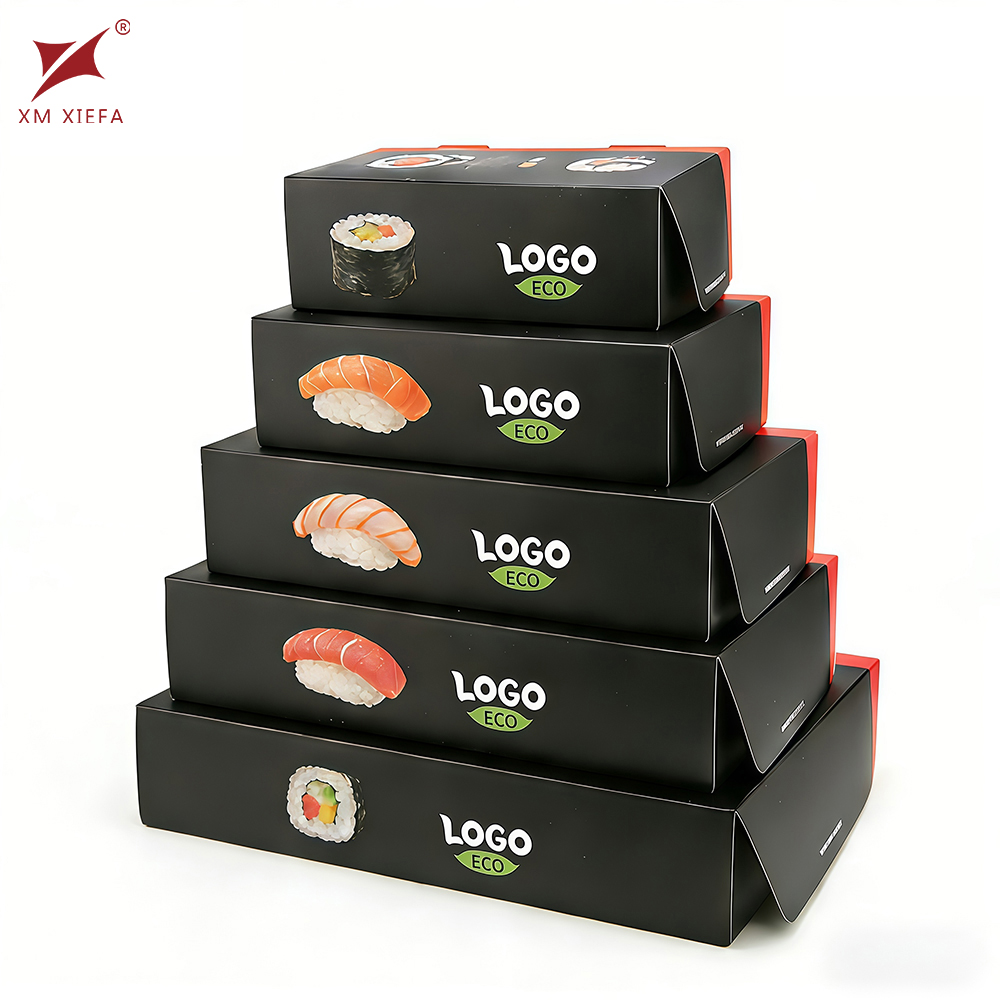
How to Evaluate the Quality of Catering Plastic Containers
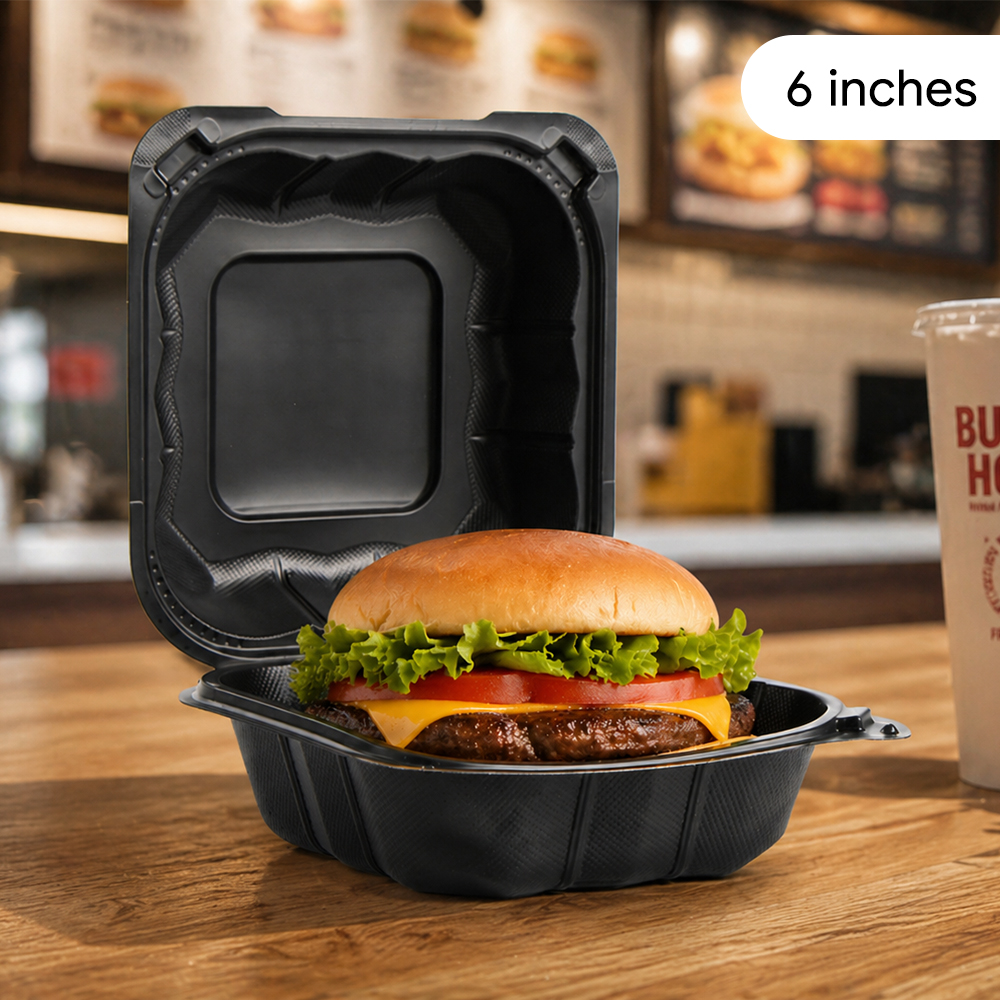
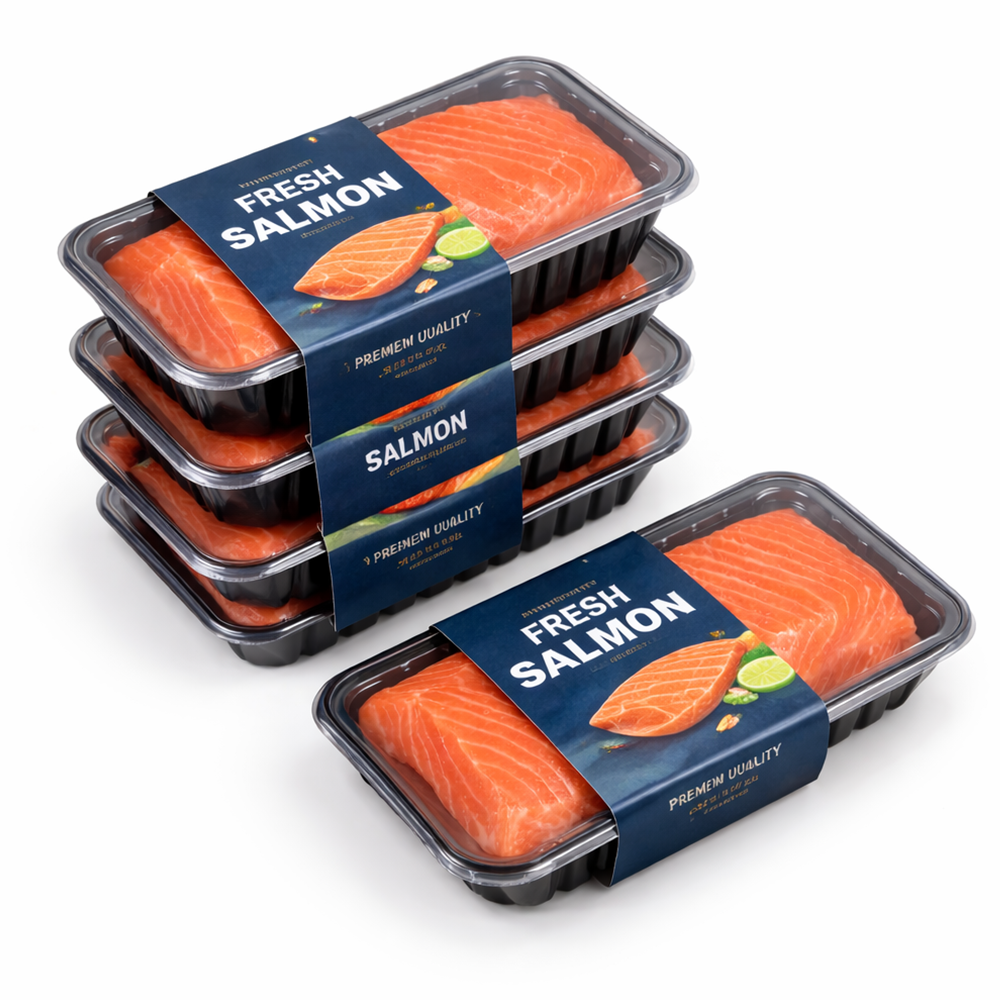
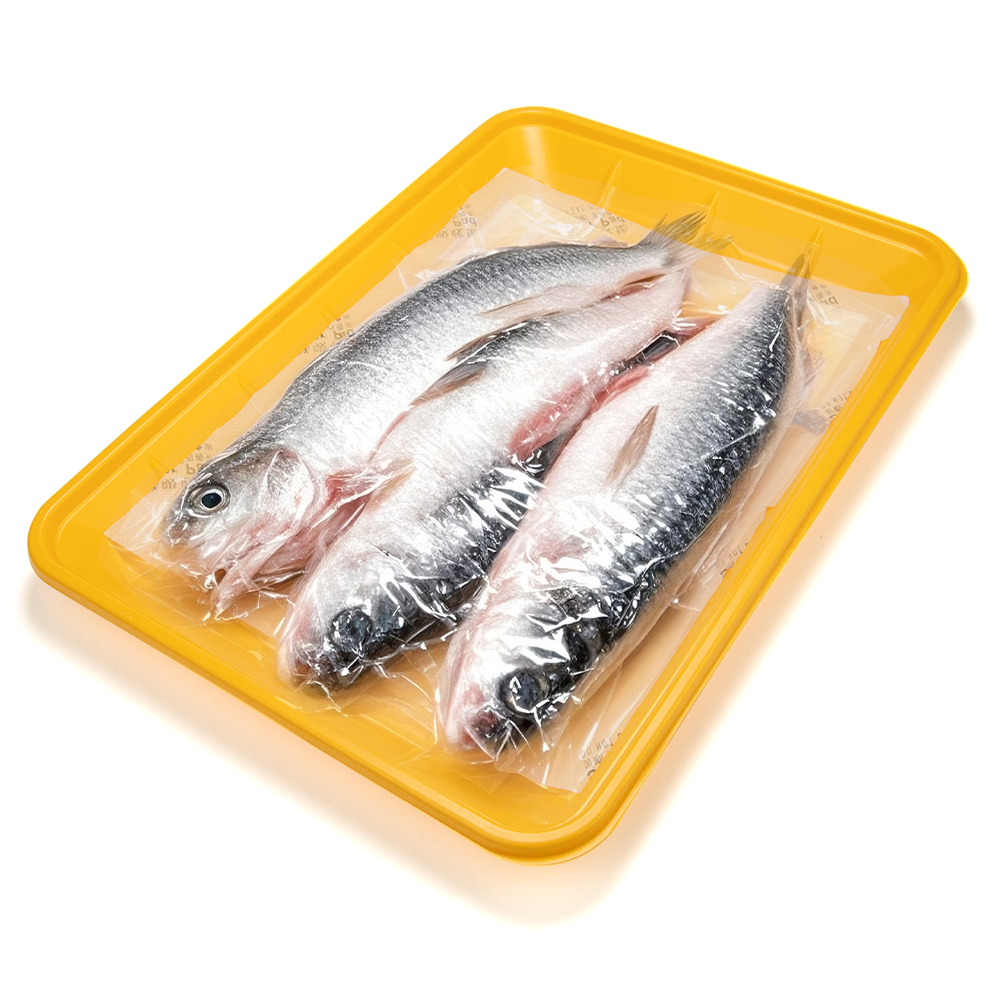
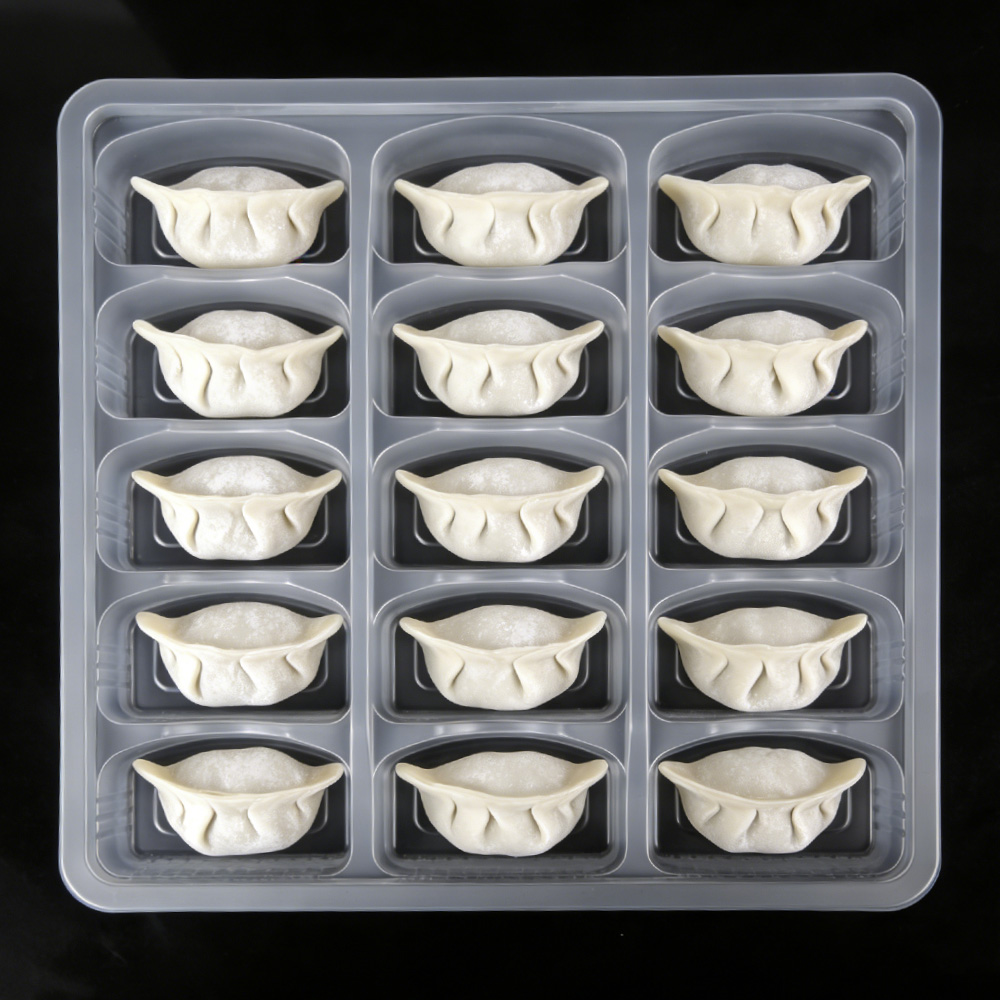
Evaluating the quality of catering plastic containers involves several important factors. First, look for containers that are certified for food safety, ensuring they meet regulatory standards for materials in contact with food. This certification can be crucial for maintaining the integrity and safety of your food products.
Next, assess the thickness and sturdiness of the containers. Thicker containers generally provide better protection during transport and are less likely to warp or crack. Conducting a drop test on samples can help evaluate their durability under real-world conditions.
It's also advisable to check for features such as airtight seals or locking mechanisms, which can prevent leaks and contamination. Before placing a bulk order, request samples to test their performance in your specific operational environment. This hands-on evaluation will provide insights into how well the containers meet your quality standards.