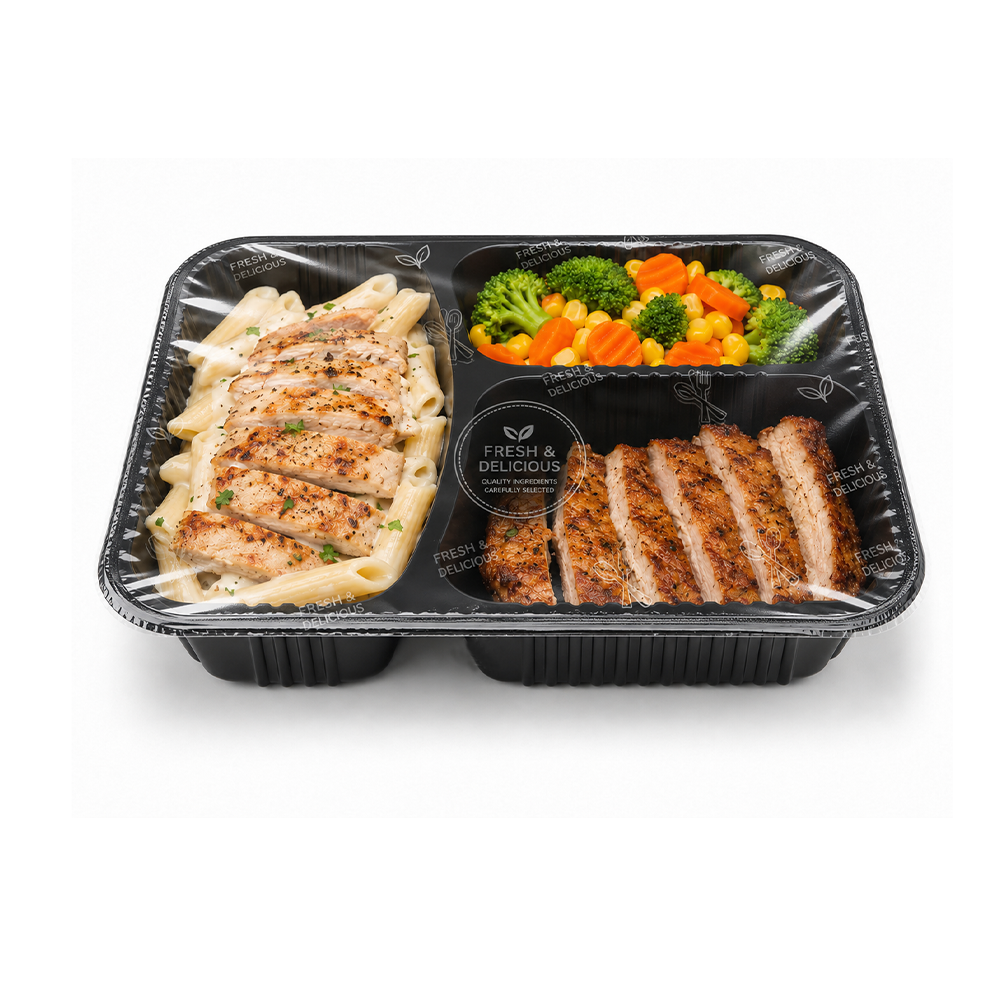
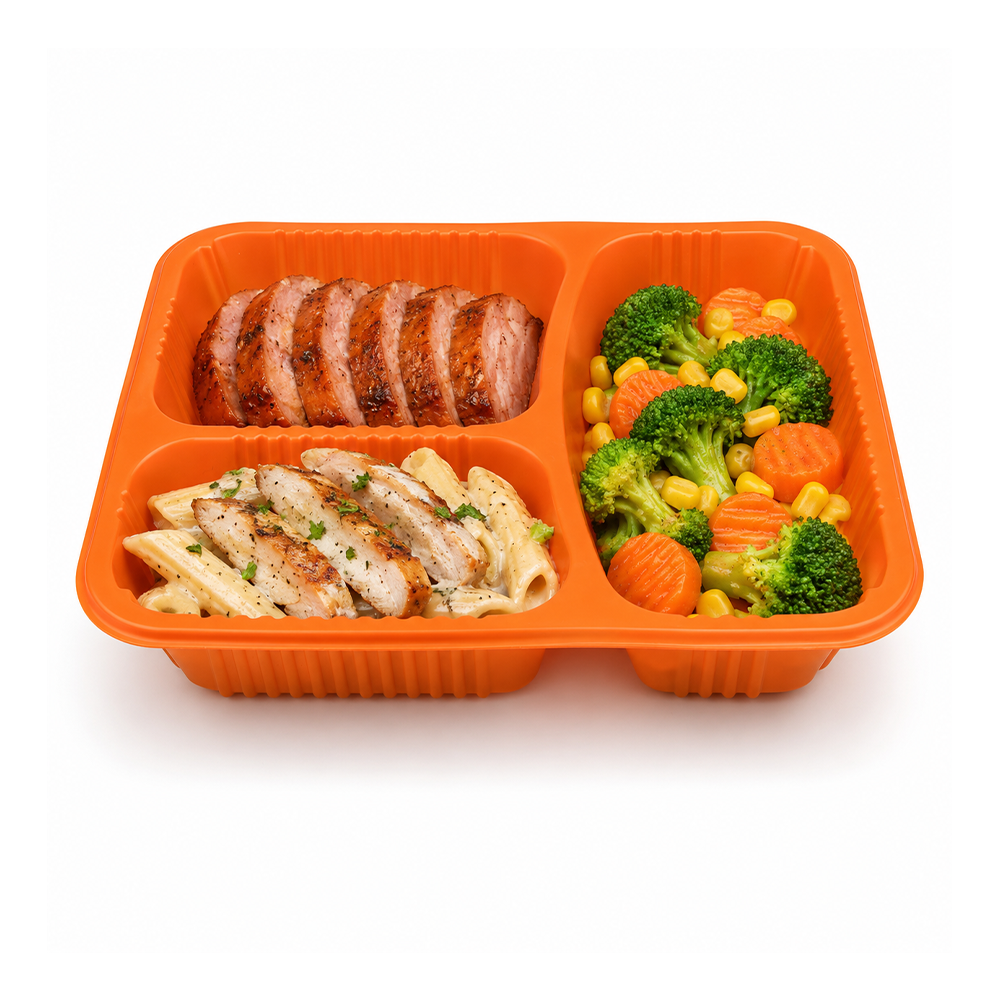
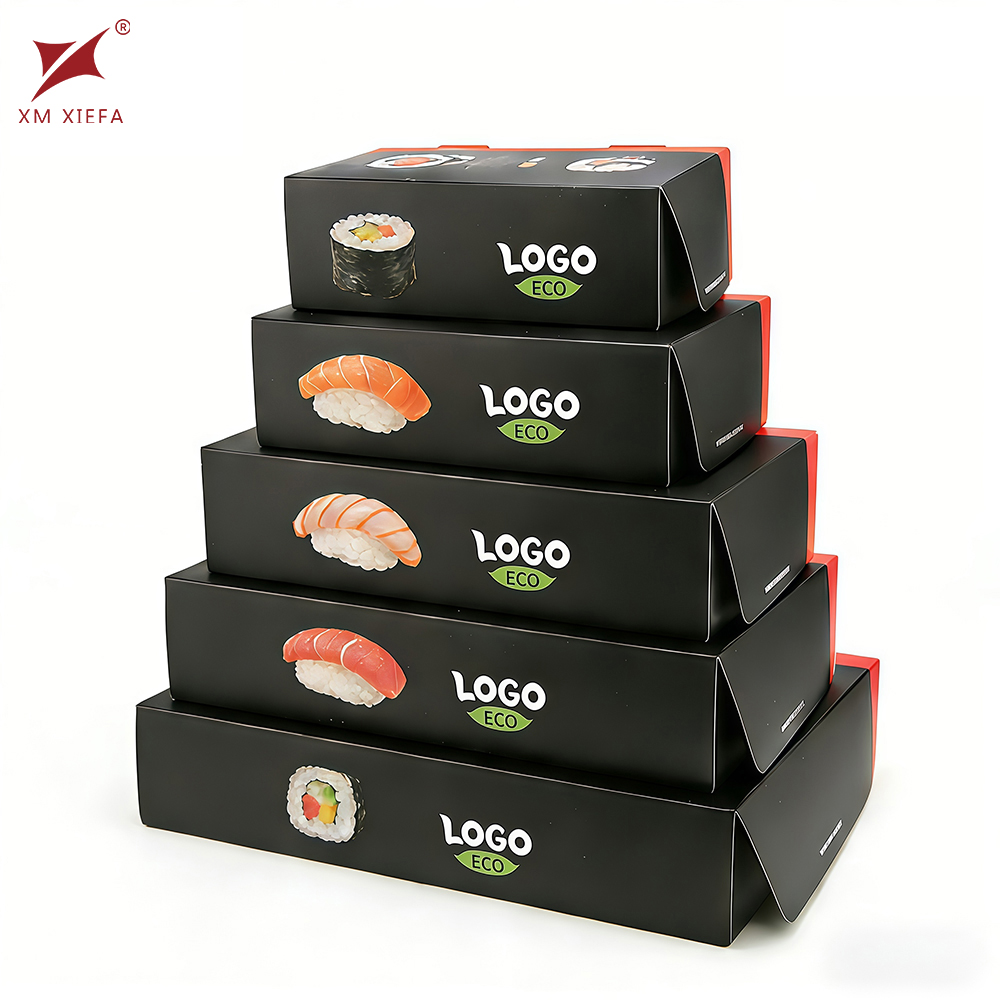
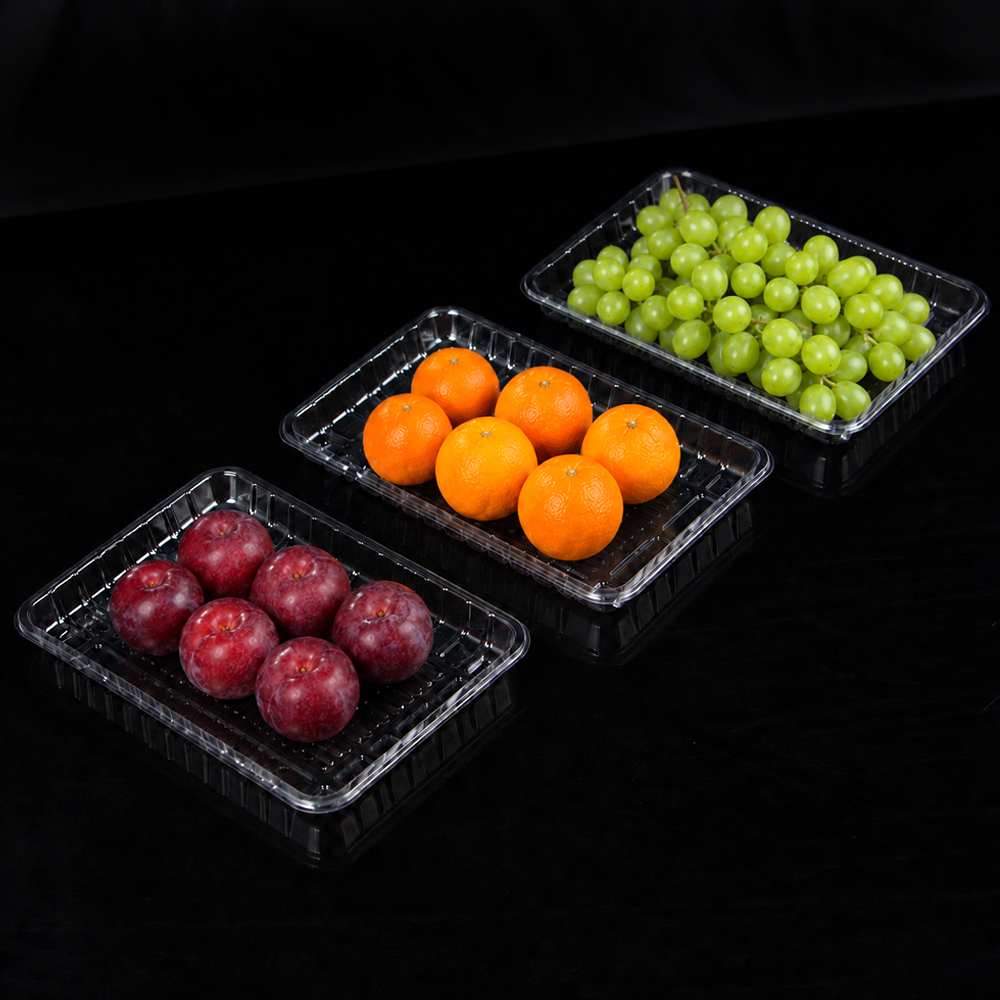
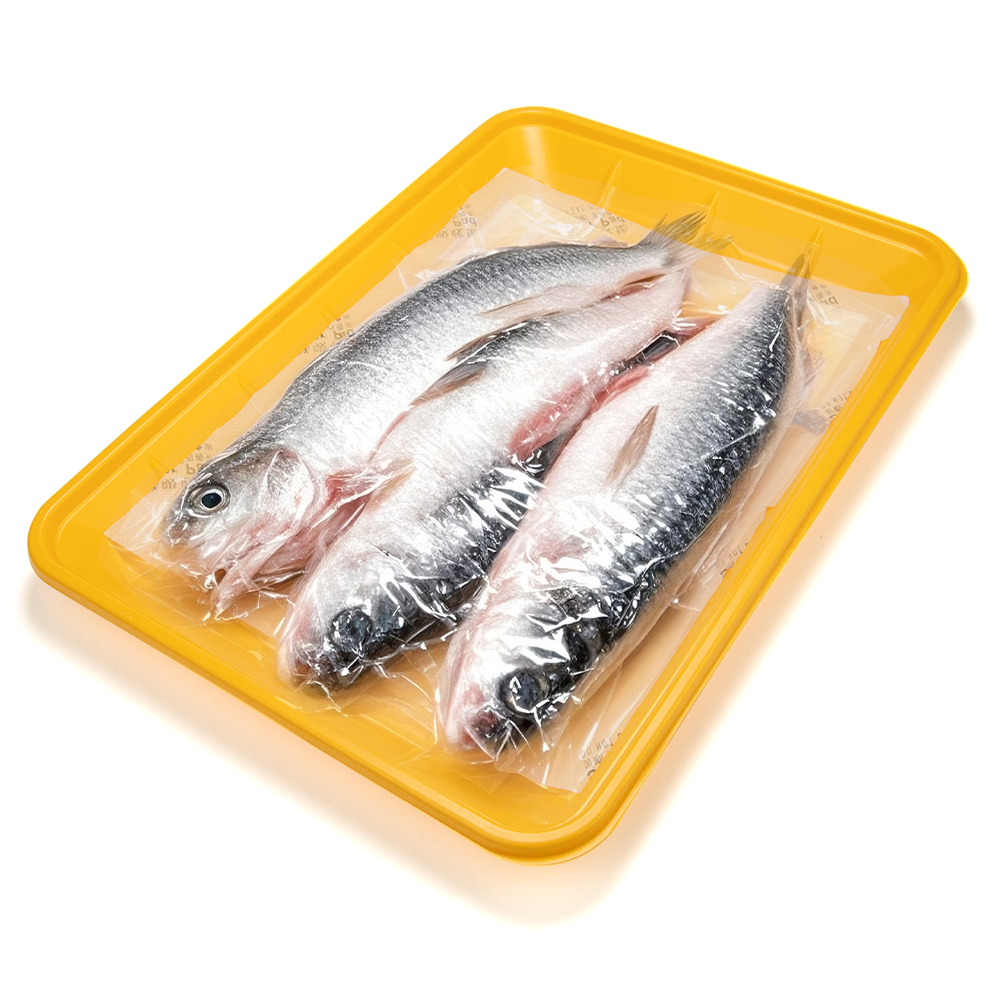
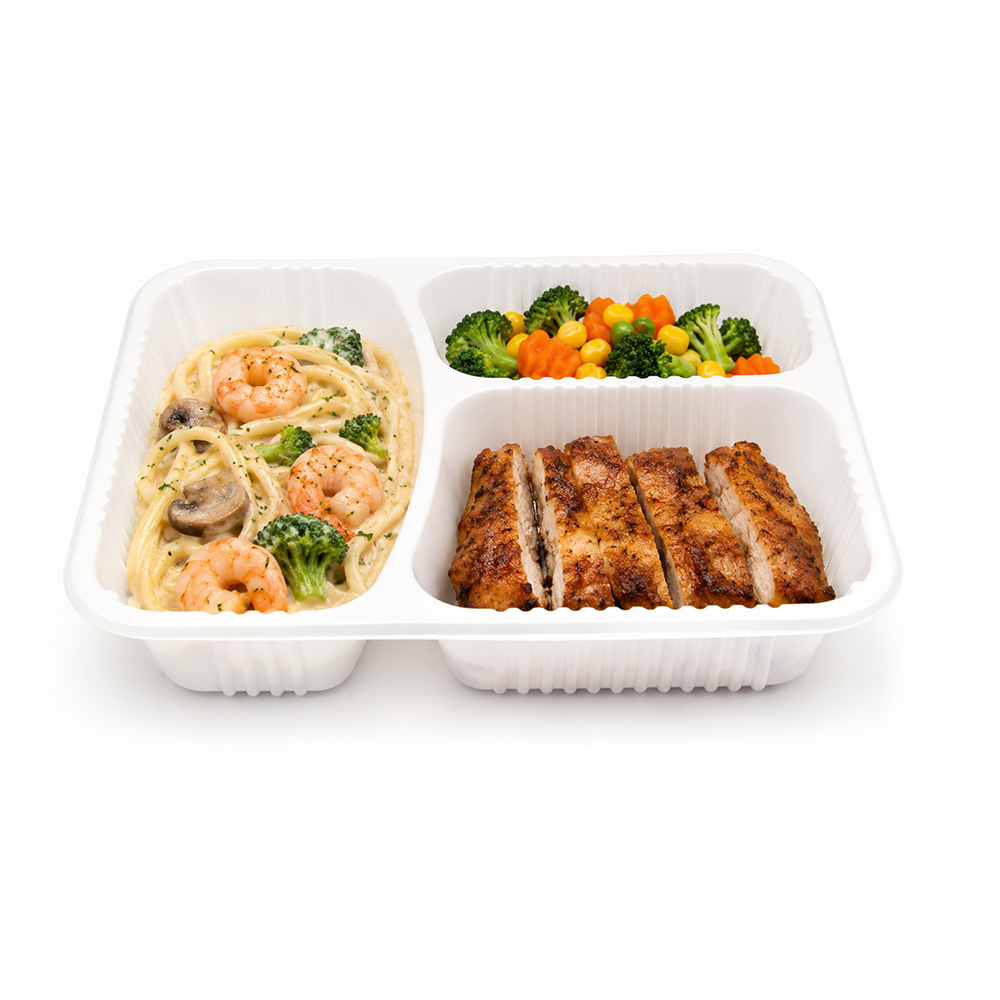
Bagasse packaging is an eco-friendly and versatile solution for various industries, made from the fibrous residue left after sugarcane processing. As a professional food packaging supplier, XM XIEFA offers innovative bagasse packaging options tailored to meet diverse business needs. Buyers often seek information on material specifications, applications, and installation requirements, as these factors significantly influence their purchasing decisions. This article will provide valuable insights into choosing the right bagasse packaging, understanding its specifications, exploring its applications, and comparing options for wholesale purchases.
Understanding the Specifications of Bagasse Packaging Materials
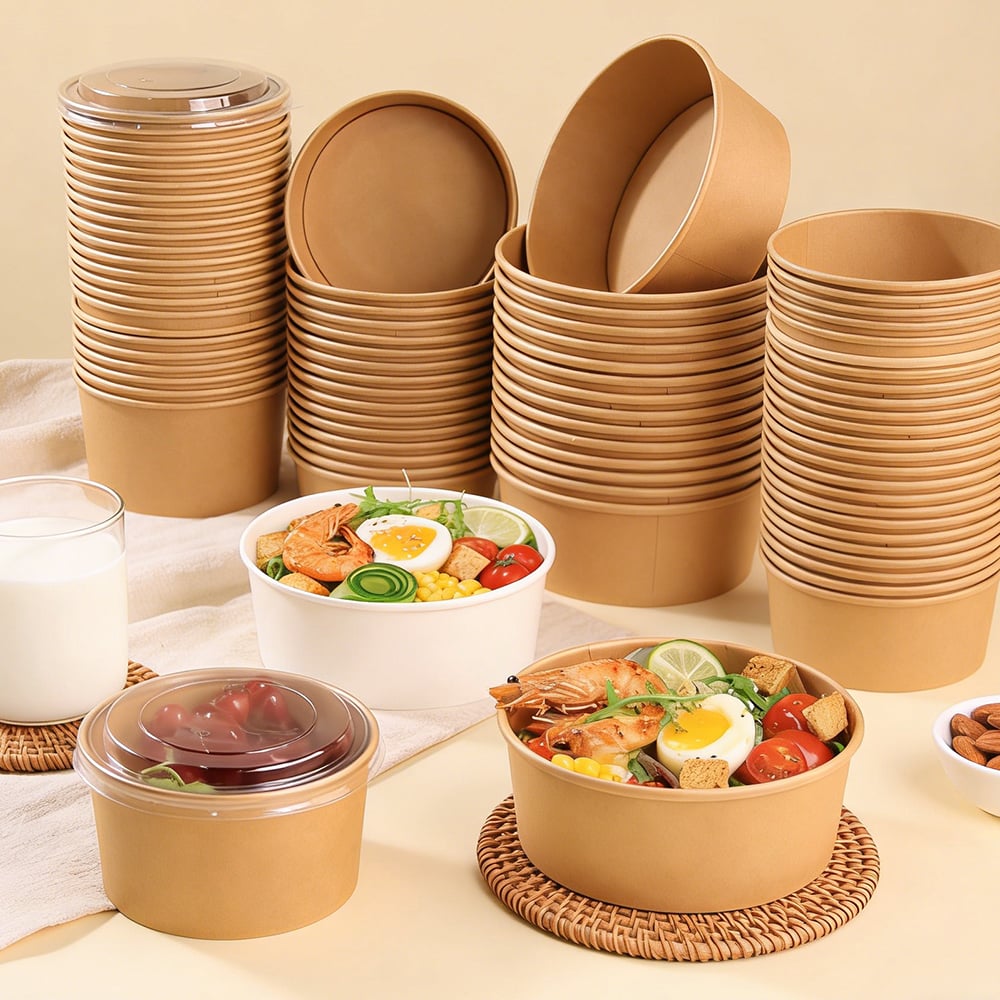
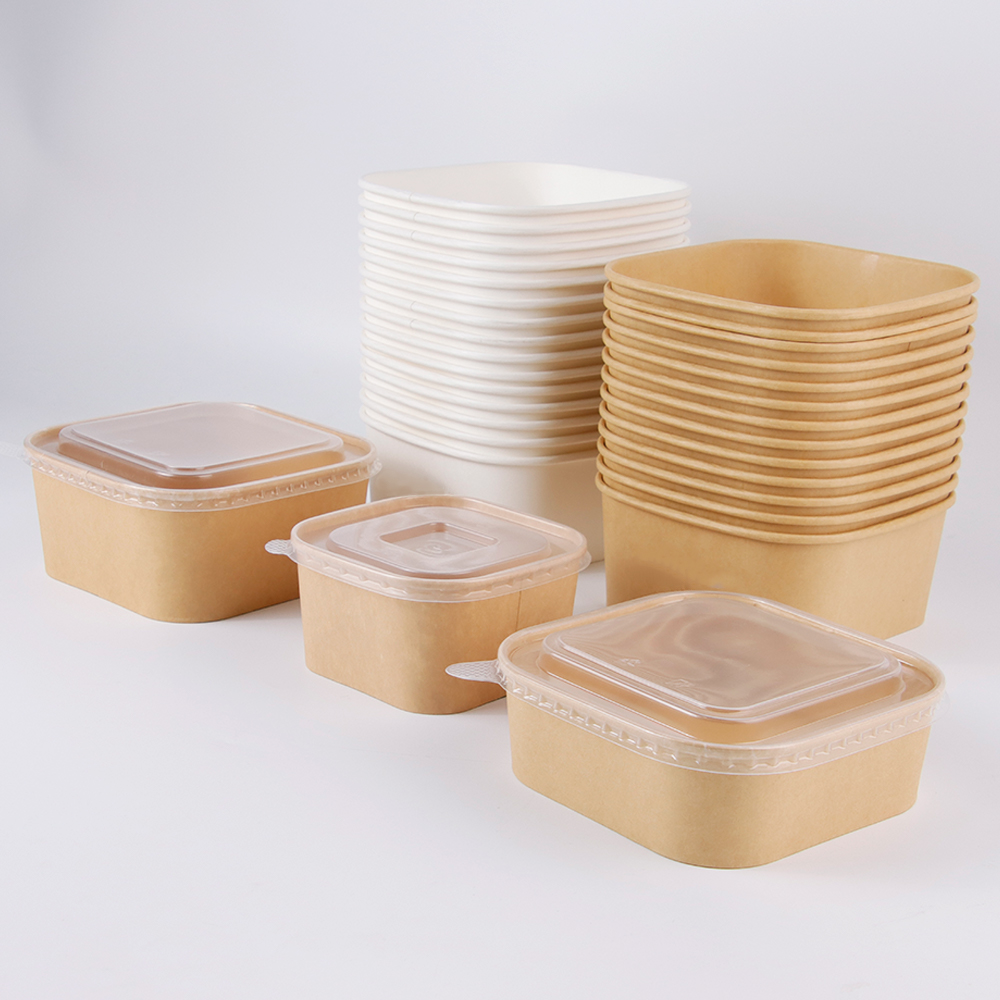
Understanding the specifications of bagasse packaging materials is essential for ensuring that the chosen solution meets your operational requirements. Key specifications to evaluate include thickness, dimensions, and structural integrity.
Thickness: The thickness of bagasse packaging affects its strength and durability. Thicker materials provide better protection against punctures and tears, while thinner options may be more cost-effective but could compromise performance. For example, food delivery services may require thicker packaging to withstand transportation stresses.
Dimensions: Accurate dimensions are vital for ensuring that your products fit securely within the packaging. Buyers should provide precise measurements when requesting quotations, as this will help suppliers recommend the best-fitting solutions.
Structural Integrity: It's crucial to assess the packaging's ability to maintain its shape under various conditions. This includes checking for rigidity, which will prevent deformation during stacking and prevent spillage or contamination. A reliable supplier should conduct quality control tests to ensure that the packaging meets industry standards throughout the production process.